Crypto Game-Changer: Senator Lummis Unveils Full Text of the CLARITY Act

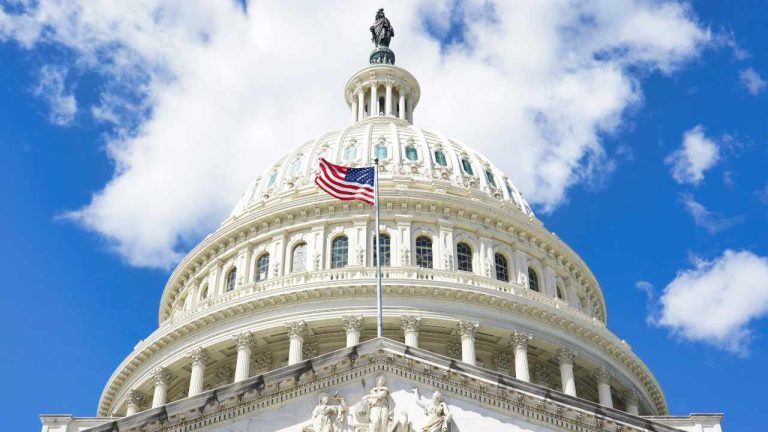
Senator Cynthia Lummis has officially released the full text of the CLARITY Act, marking a pivotal moment for crypto regulation. This legislative push aims to provide the much-needed legal framework to stabilize the digital asset market and eliminate the regulatory ambiguity currently facing industry leaders.
The impact of the CLARITY Act extends far beyond simple compliance; it is a blueprint for institutional integration. By establishing clear rules for blockchain technology and digital assets, this act could trigger a massive influx of institutional liquidity and solidify the long-term legitimacy of the crypto ecosystem.
On July 22, Senator Cynthia Lummis unveiled the full, updated text of the CLARITY Act to the public. This final version of the bill outlines a comprehensive approach to governing the crypto space, focusing on clarity and consumer protection. As the industry awaits further legislative action, the CLARITY Act stands as a cornerstone for establishing a sustainable and regulated environment for digital finance and blockchain innovation.
This is a summarized and adapted version by Artificial Intelligence. To read the complete original story, visit the official source.
Read Full Article at CryptoNewsZSupport Jornal Bitcoin
Independent journalism, curated by AI, no clickbait. Keep the flame alive with any amount of BTC.
jonata@walletofsatoshi.comDaily Crypto Brief 📬
Subscribe to receive the curation of the most important Bitcoin and crypto news, summarized by AI. No spam.
Join more than 10,000 smart readers.
Related News
Massive Surge: 950K Contacts Push CLARITY Act Forward as Coinbase CEO Signals Senate Readiness
Coinbase CEO Brian Armstrong has confirmed that the bill is ready for full Senate consideration, highlighting the growing momentum behind crypto advocacy. The successful passage of the CLARITY Act could fundamentally reshape the industry by providing the legal certainty required for institutional adoption and establishing a robust regulatory standard for digital assets in the United States.

Crypto Boom: Sector Creates 232,000 US Jobs with Salaries Doubling National Average
The impact extends far beyond digital wallets, demonstrating a robust multiplier effect on the real economy. For every direct job created within the blockchain ecosystem, the sector supports six indirect jobs, establishing the technology as a fundamental pillar for labor market growth and technological innovation in the USA.

Lobby Scandal: Court Filing Alleges Tether Influenced US Legislation via Howard Lutnick
The fallout is already hitting Capitol Hill, with senators launching probes into potential conflicts of interest stemming from these allegations. As regulators scrutinize the intersection of private interests and public policy, the outcome could redefine the legal framework for stablecoins and the operational future of Tether in the global market.
Nasdaq-Listed Zhibao Technology to Secure 3,500 Bitcoin in Massive $220M PIPE Deal
This development underscores the growing institutional appetite for Bitcoin among publicly traded corporations seeking to hedge against traditional market volatility. By integrating Bitcoin into its capital structure, Zhibao Technology joins an elite group of firms utilizing crypto-assets to strengthen their long-term balance sheets and signal confidence in the digital gold standard.

Beyond Hype: S&P Launches New Crypto Index Driven by Protocol Revenue
Designed specifically for institutional allocation, the index aims to separate established blockchain activity from speculative volatility. By implementing strict thresholds for liquidity and revenue, the framework offers a rules-based approach that can serve as the foundation for future investment products and actively managed digital asset portfolios.
Small But Mighty: Why Crypto's Tiny US Workforce Outperforms the Market
By punching above its weight, the crypto sector demonstrates an unprecedented level of productivity compared to traditional industries. This efficiency suggests that as institutional adoption accelerates, the industry's influence will continue to grow, regardless of the relatively low headcount in the US labor market.
