Bitcoin Magazine

Self Custody Is Dead? Bitcoin's Future Hangs in the Balance

August 4, 202606:25 PM

The Coldcard security failure has shaken Bitcoin users' confidence in hardware wallets, but abandoning self-custody would mean rejecting Bitcoin's core purpose. Historical lessons suggest the response shouldn't be returning to custodians, but building stronger, more resilient methods for holding our own keys.

This incident serves as a crucial reminder that security in the Bitcoin network is an ongoing responsibility, not a finished product. While some may view this as a death blow to self-custody, ecosystem visionaries are already developing more advanced solutions. Bitcoin's future depends on our ability to learn from these challenges and strengthen our protection systems, maintaining the financial sovereignty that made the Bitcoin revolution possible in the first place.

This is a summarized and adapted version by Artificial Intelligence. To read the complete original story, visit the official source.

Read Full Article at Bitcoin Magazine
QR Code Lightning

Support Jornal Bitcoin

Independent journalism, curated by AI, no clickbait. Keep the flame alive with any amount of BTC.

Wallet of Satoshi
jonata@walletofsatoshi.com

Daily Crypto Brief 📬

Subscribe to receive the curation of the most important Bitcoin and crypto news, summarized by AI. No spam.

Join more than 10,000 smart readers.

Related News
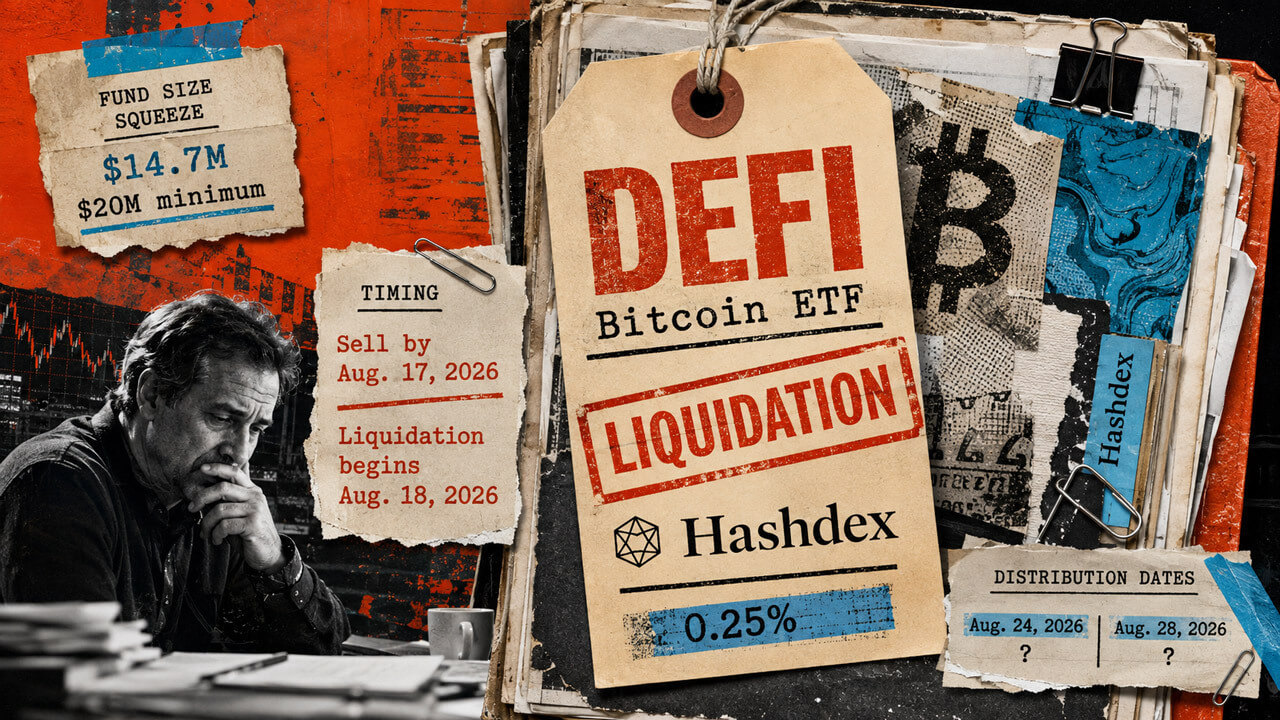
Hashdex shutting down Bitcoin ETF, leaving investors days to sell before blind, unpredictable cash out

CryptoSlate

Hashdex shutting down Bitcoin ETF, leaving investors days to sell before blind, unpredictable cash out

Hashdex is shutting down its $14.7 million Bitcoin ETF, forcing investors into a rushed sale before a blind, unpredictable cash out beginning August 18. The Bitcoin ETF liquidation announcement has sent shockwaves through the crypto market, with conflicting information about the payout date adding further uncertainty for already concerned investors. This decision by Hashdex marks a significant setback for Bitcoin ETF investors and could have broader implications for the cryptocurrency sector. The premature closure of the Bitcoin ETF comes amid increasing regulatory scrutiny of digital financial products, raising questions about the stability and future of crypto funds.
Situational Awareness hedge fund implodes 67% after AI bets backfire, forced to sell $16B to Citadel at fire-sale prices
Crypto Briefing★ Featured

Situational Awareness hedge fund implodes 67% after AI bets backfire, forced to sell $16B to Citadel at fire-sale prices

The Situational Awareness hedge fund has imploded by 67% after its concentrated bets on artificial intelligence (AI) spectacularly backfired, forcing the fund to liquidate $16 billion in assets to Citadel at a steep discount. This dramatic collapse underscores the inherent dangers of highly concentrated investment strategies in volatile tech sectors, where fortunes can be made and lost with breathtaking speed. The fallout from this situation extends far beyond the fund itself, potentially triggering a wave of risk aversion across financial markets, particularly in the crypto space. With investor confidence already fragile in digital assets, the forced sale of such a massive position could create ripple effects throughout the ecosystem, especially if other similarly exposed funds face similar pressures. This event serves as a stark reminder that even in the high-stakes world of technology investing, diversification and prudent risk management remain essential for long-term survival.
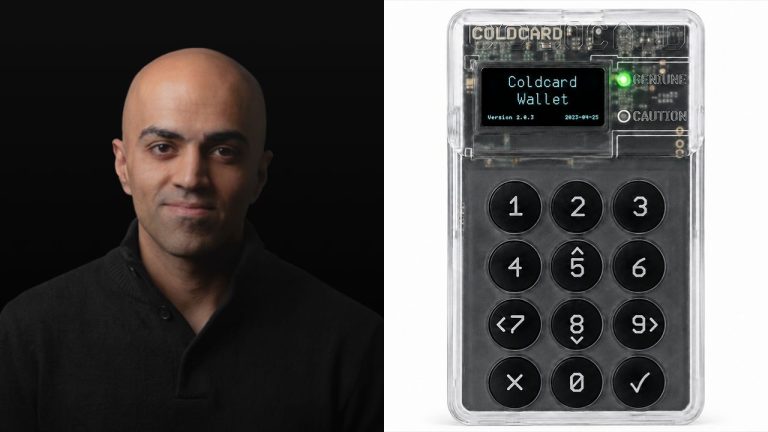
$2 AI Audit Could Have Caught Coldcard Flaw, Says Dragonfly's Haseeb Qureshi

Bitcoin.com

$2 AI Audit Could Have Caught Coldcard Flaw, Says Dragonfly's Haseeb Qureshi

A $2 AI audit could have caught the Coldcard vulnerability, according to Dragonfly's Haseeb Qureshi, highlighting how artificial intelligence is revolutionizing cybersecurity economics. As the cost of discovering flaws plummets, crypto companies face increasing pressure to adopt AI-powered security measures across all software releases. The Coldcard security flaw serves as a pivotal case study demonstrating how frontier AI models can identify risks that traditional security audits might miss. This shift toward AI-powered testing could become the new gold standard for security in the crypto ecosystem, potentially preventing millions in losses and protecting user funds from sophisticated threats.
Cipher Mining Stock Plummets as Executives Plan to Sell Shares Through 2027

Crypto Briefing

Cipher Mining Stock Plummets as Executives Plan to Sell Shares Through 2027

Cipher Mining shares plummeted after the company's co-presidents filed 10b5-1 plans to sell their stock through 2027. The executives registered pre-arranged trading plans allowing them to systematically sell their shares, creating a stark contrast with Cipher's promising AI infrastructure and significant AWS partnership. This insider stock selling may shake investor confidence, particularly given Cipher Mining's growth potential in the cryptocurrency mining and AI sectors.
Massive Liquidity Trap for Bitcoin Tomorrow as US Treasury Quietly Drains $77 Billion from Bank Reserves

CryptoSlate★ Featured

Massive Liquidity Trap for Bitcoin Tomorrow as US Treasury Quietly Drains $77 Billion from Bank Reserves


The US Treasury is poised to drain $77 billion from bank reserves in an operation that tomorrow, August 5th, could create a devastating liquidity trap for Bitcoin. The outcome will depend on the government bill-coupon mix, determining whether financing pressure reaches Bitcoin-sensitive risk appetite or keeps reserves stable. This massive liquidity movement occurs at a critical time for the cryptocurrency market, where capital availability can dictate price direction. With Bitcoin already experiencing volatility, the sudden reduction of $77 billion in bank reserves could intensify selling pressure or, alternatively, create opportunities for strategic investors anticipating market movements.
Ledger Warns Coldcard Exploit Shows Bitcoin Wallet Security Must Adapt to AI
Decrypt

Ledger Warns Coldcard Exploit Shows Bitcoin Wallet Security Must Adapt to AI

Ledger CTO Charles Guillemet has issued a stark warning following the Coldcard exploit, emphasizing that Bitcoin wallet security paradigms must evolve to address emerging AI-driven threats. The incident highlights the critical importance of certified hardware randomness in protecting digital assets, as traditional security measures face unprecedented challenges from increasingly sophisticated cyber attacks. This revelation comes at a pivotal moment for cryptocurrency security, as the industry grapples with how to adapt to an AI-powered threat landscape. Guillemet's comments suggest that hardware wallet manufacturers must not only patch vulnerabilities but fundamentally reimagine their security architectures, potentially incorporating AI detection systems and advanced cryptographic protocols to stay ahead of malicious actors who are rapidly adopting these same technologies.
Jornal Bitcoin Logo