Russia's First Major Crypto Law Nears Passage to Bypass Western Sanctions
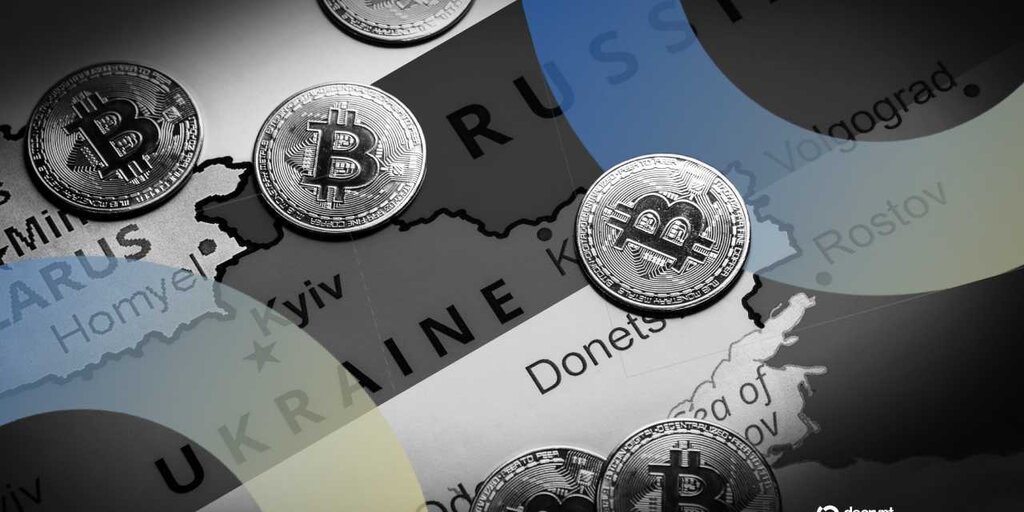
Russia is on the verge of finalizing its first comprehensive crypto law, a move that could fundamentally alter its ability to engage in global trade. Currently just two votes away from passing, the legislation aims to license cryptocurrency exchanges and provide a legal framework for Russian entities to settle international debts using digital assets.
By enabling companies to pay foreign partners in crypto, the bill serves as a strategic tool to bypass Western sanctions and maintain economic liquidity. While the law introduces restrictions for retail investors—capping annual investments at roughly $3,800—the broader impact focuses on institutionalizing crypto as a vital instrument for national financial sovereignty.
Russia's first comprehensive cryptocurrency law is just two votes away from being passed. The landmark bill introduces a licensing system for crypto exchanges and sets an annual cap of approximately $3,800 for retail investors. Most significantly, the legislation creates a legal pathway for Russian companies to settle payments with foreign partners using cryptocurrency, a strategic move designed to circumvent existing Western sanctions.
This is a summarized and adapted version by Artificial Intelligence. To read the complete original story, visit the official source.
Read Full Article at DecryptSupport Jornal Bitcoin
Independent journalism, curated by AI, no clickbait. Keep the flame alive with any amount of BTC.
jonata@walletofsatoshi.comDaily Crypto Brief 📬
Subscribe to receive the curation of the most important Bitcoin and crypto news, summarized by AI. No spam.
Join more than 10,000 smart readers.
Related News

Market Shock: Polymarket Predicts US May Halt Iran Offensive Operations by 2026
For crypto investors, these geopolitical indicators are vital, as Middle East tensions often drive market volatility and macro shifts. Understanding these prediction markets is key to navigating how global political stability—or the lack thereof—will impact asset prices and broader economic trends.

Banking Chokepoint: UK Parliament Launches Inquiry into Crypto Business Restrictions
This investigation aims to address the systemic 'chokepoint' that prevents crypto businesses from accessing essential banking services. By scrutinizing these institutional hurdles, the UK seeks to foster a more inclusive environment for blockchain innovation and ensure that the digital asset sector can operate within the traditional financial framework without undue discrimination.

Polymarket Odds Signal 4% China-Taiwan Invasion Risk Following Joint Sino-Russian Drills
This escalation underscores the intensifying geopolitical friction and the strategic alignment between China and Russia. As these prediction markets provide real-time sentiment on global stability, the increased risk profile serves as a critical signal for macro analysts monitoring how regional conflicts might trigger broader market volatility and shifts in global liquidity.
MicroStrategy's Bitcoin Reserve Secures 31 Years of Dividend Coverage
This development pivots investor attention from simple Bitcoin purchases to the company's robust ability to sustain preferred-share obligations. As the cash buffer reaches $3.2 billion, the Bitcoin reserve is emerging as the definitive metric for Strategy Inc.'s financial strength and its unique approach to corporate treasury management.

Robert Kiyosaki's Survival Plan: What He'd Do With Only $10,000
This strategy emphasizes the critical role of self-investment and skill acquisition as the primary drivers of financial recovery. By prioritizing high-value knowledge over immediate market exposure, Kiyosaki suggests that mastering the mechanics of cash flow is far more vital than chasing the volatility of the crypto market or the stability of real estate during a total reset.
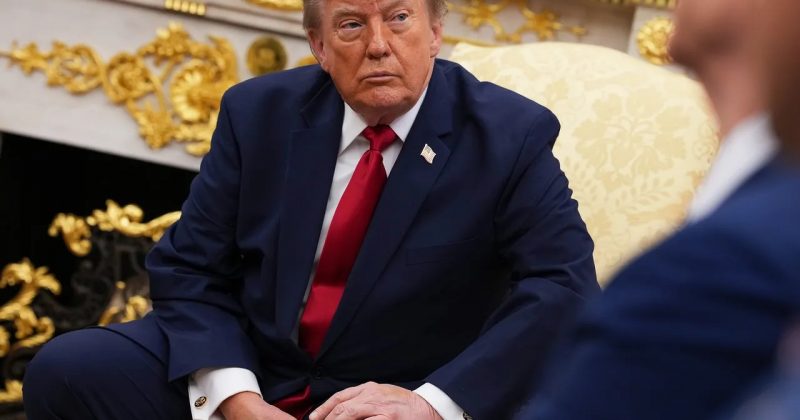
Trade War Escalation: Trump Administration Targets 60 Economies with Permanent Tariffs Over Forced Labor
This move toward durable tariffs is expected to disrupt global supply chains and trigger significant shifts in international trade flows. As these permanent measures take hold, the resulting market volatility and geopolitical friction will likely create a complex environment for global investors and macro-economic stability.
