Russia Passes Crypto Law: $3,800 Annual Cap Set for Retail Investors

Russia's parliament has officially passed a new crypto market law, introducing a strict $3,800 annual cap on retail investments. This legislative move marks a significant shift in how the Kremlin intends to manage digital assets within its borders, balancing individual participation with state-level strategic goals.
While Bitcoin remains unavailable for everyday consumer purchases, the law provides a critical loophole for corporations to utilize digital tokens to bypass international sanctions. By integrating blockchain technology into its economic defense, Russia aims to navigate global trade hurdles and maintain financial connectivity despite mounting geopolitical pressures.
Russia's parliament has passed a landmark crypto market law, setting an annual investment limit of $3,800 for retail investors. This regulation aims to bring order to the domestic digital asset space while focusing on larger-scale institutional utility.
Although citizens are still prohibited from using Bitcoin for routine grocery shopping, the Kremlin is officially permitting companies to leverage digital tokens. This strategic pivot is designed to help businesses bypass sanctions and other global trade hurdles, utilizing the decentralized nature of crypto to sustain international commerce.
This is a summarized and adapted version by Artificial Intelligence. To read the complete original story, visit the official source.
Read Full Article at CoinDeskSupport Jornal Bitcoin
Independent journalism, curated by AI, no clickbait. Keep the flame alive with any amount of BTC.
jonata@walletofsatoshi.comDaily Crypto Brief 📬
Subscribe to receive the curation of the most important Bitcoin and crypto news, summarized by AI. No spam.
Join more than 10,000 smart readers.
Related News
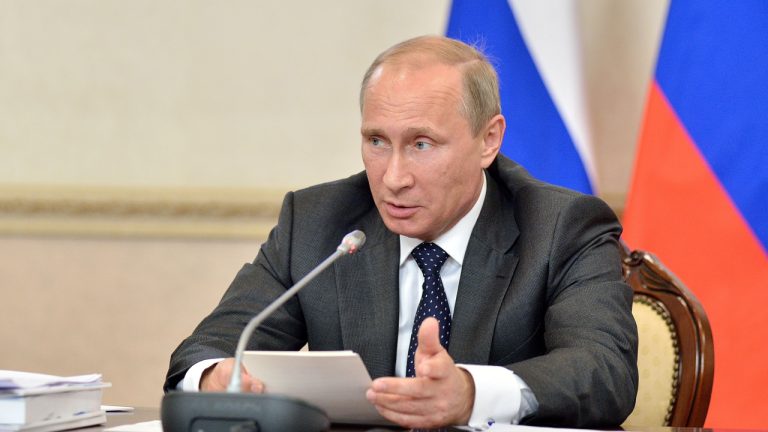
Russia's Crypto Revolution: Landmark Bill Heads to Putin's Desk
Despite the progress, the bill maintains a strict boundary by prohibiting the use of digital currency for everyday payments. This regulatory approach aims to integrate digital rights into the national economy while ensuring that the central bank retains control over the traditional monetary supply, creating a controlled environment for crypto adoption.

Bitcoin's Crucial Test: Will the $68,000 Breakout End the Crypto 'Summer Slumber'?
This technical hurdle is significant because it represents a zone where recent buyers may look to exit their positions. Whether Bitcoin can absorb this selling pressure or if it will succumb to a deeper correction will dictate the trajectory of the entire digital asset market in the coming weeks.

China's Massive Gold Buying Spree: A Strategic Shield Against Russia's Financial Fate
This relentless accumulation has fueled intense market speculation, with some analysts projecting gold prices could skyrocket to $10,000 by December. As central banks pivot toward precious metals, the global financial landscape is bracing for a significant shift in value and stability.

Winklevoss Twins' $10M Trump Donation: Political Play or Data Misinterpretation?
Crucially, a closer look at the FEC filings suggests the headline may be misleading. The data indicates that Gemini is listed because it liquidated the same Bitcoin used in the transaction, rather than the exchange making a fresh $10 million donation. This distinction is vital for understanding the true nature of the exchange's involvement in political financing.

White House Ultimatum: Senate Democrats Urged to Accept Trump's Clarity Act Ethics Deal
This push is designed to secure the passage of the Clarity Act, a pivotal piece of legislation aimed at establishing much-needed regulatory frameworks. The outcome of these negotiations will significantly influence the future of crypto compliance and the legal landscape for digital assets in the United States.

Nobel Laureate Claims Pix Success is a Major Headache for Bitcoin Advocates
The economist's insights come amidst a complex geopolitical backdrop, touching upon how international political shifts could influence technological adoption. As the battle for monetary supremacy continues, the effectiveness of Pix serves as a powerful counter-narrative to Bitcoin's dominance in the realm of fast, low-cost digital payments.
