Nobel Laureate Claims Pix Success is a Major Headache for Bitcoin Advocates

Nobel Prize winner Paul Krugman has sparked intense debate by claiming that the success of Brazil's Pix system is a direct inconvenience to Bitcoin proponents. Krugman suggests that the seamless efficiency of this instant payment method challenges the core argument that decentralized assets are the only viable path for the future of monetary transactions.
The economist's insights come amidst a complex geopolitical backdrop, touching upon how international political shifts could influence technological adoption. As the battle for monetary supremacy continues, the effectiveness of Pix serves as a powerful counter-narrative to Bitcoin's dominance in the realm of fast, low-cost digital payments.
Paul Krugman, the 2008 Nobel Prize winner in Economics, believes that the success of Brazil's Pix is an annoyance to Bitcoin supporters. In an article titled “Trump's War Against the Future, Monetary Edition,” published this Monday (20), the American economist claims that the Trump administration is attempting to penalize Brazil due to its payment system's efficiency, highlighting the friction between state-led innovation and decentralized finance narratives.
This is a summarized and adapted version by Artificial Intelligence. To read the complete original story, visit the official source.
Read Full Article at LivecoinsSupport Jornal Bitcoin
Independent journalism, curated by AI, no clickbait. Keep the flame alive with any amount of BTC.
jonata@walletofsatoshi.comDaily Crypto Brief 📬
Subscribe to receive the curation of the most important Bitcoin and crypto news, summarized by AI. No spam.
Join more than 10,000 smart readers.
Related News

Polymarket Volatility: Fed Rate Hike Odds Crash Following 16-Point Slide
Amidst this macroeconomic uncertainty, regulatory clarity remains a top priority for industry leaders. Coinbase CEO Brian Armstrong has intensified his calls for Congress to pass the Clarity Act this year, warning that legislative stagnation poses a significant downside risk to the broader crypto market.
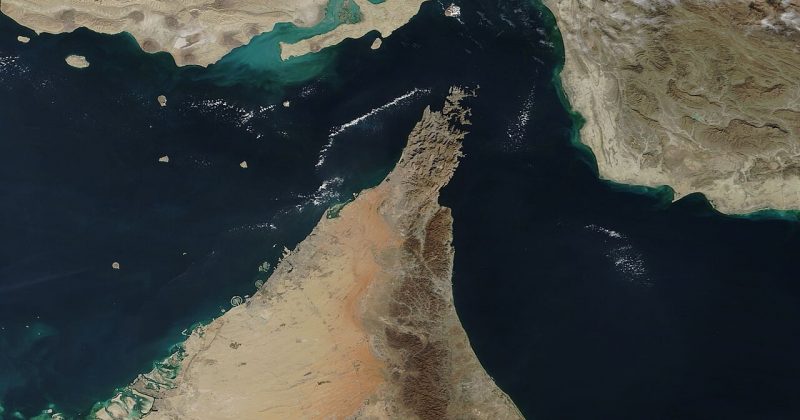
Geopolitical Shockwave: US Weighs 20% Toll on Strait of Hormuz Amid Iran Tensions
The proposed toll, which could see implementation by July 2026, poses a significant risk to supply chains and commodity pricing. As the standoff between the US and Iran intensifies, investors are closely watching for signs of increased volatility in energy markets and traditional financial assets, which often spills over into the crypto market.

Bitcoin's Crucial Test: Will the $68,000 Breakout End the Crypto 'Summer Slumber'?
This technical hurdle is significant because it represents a zone where recent buyers may look to exit their positions. Whether Bitcoin can absorb this selling pressure or if it will succumb to a deeper correction will dictate the trajectory of the entire digital asset market in the coming weeks.

Winklevoss Twins' $10M Trump Donation: Political Play or Data Misinterpretation?
Crucially, a closer look at the FEC filings suggests the headline may be misleading. The data indicates that Gemini is listed because it liquidated the same Bitcoin used in the transaction, rather than the exchange making a fresh $10 million donation. This distinction is vital for understanding the true nature of the exchange's involvement in political financing.
Pakistan Cracks Down on Crypto Crime with New Dedicated Federal Investigation Unit
This crackdown comes as Pakistan emerges as a massive player in the space, currently ranking as the world's third-largest crypto market by retail activity. As authorities push for more specialized units across all federal agencies, the nation faces the dual challenge of policing sophisticated financial fraud while navigating its path toward becoming a global crypto leader by 2030.
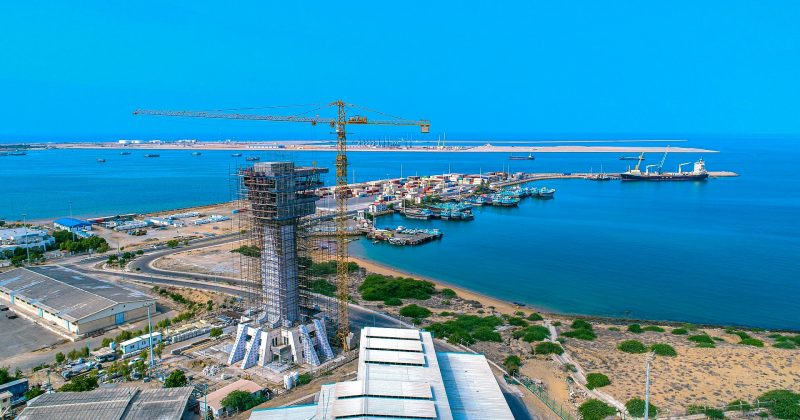
Geopolitical Flashpoint: US Airstrikes Hit Iranian Ports Amid Escalating Regional Attacks
With reports indicating a potential full airspace closure by July 31, the threat of a wider regional conflict is intensifying. Investors are advised to closely monitor how these geopolitical tensions impact global liquidity and the flight to safety as the situation evolves rapidly.
