Bitcoin Capital Ambition: Brazilian City Moves Closer to Official Title in Congress

The municipality of Rolante has made a significant leap in Brasília to secure its position as the future National Bitcoin Capital. The Constitution, Justice and Citizenship Commission (CCJ) has approved Bill 3.807/25, clearing a major legislative hurdle for the city to be officially recognized as a hub for digital assets.
This strategic move positions Rolante at the forefront of the Brazilian crypto landscape. While the approval in the CCJ is a major milestone, the project must still navigate the remaining parliamentary stages before the title is officially granted, potentially turning the city into a landmark for Bitcoin adoption in South America.
Rolante is moving closer to a historic milestone. The Constitution, Justice and Citizenship Commission (CCJ) of the Chamber of Deputies has approved new rules to honor various regions of the country, with the municipality of Rolante leading the agenda in Brasília to become the National Bitcoin Capital.
Lawmakers analyzed and approved Bill 3.807/25, which aims to formalize this recognition. This legislative progress is expected to boost the city's profile within the rapidly expanding cryptocurrency ecosystem in Brazil.
This is a summarized and adapted version by Artificial Intelligence. To read the complete original story, visit the official source.
Read Full Article at LivecoinsSupport Jornal Bitcoin
Independent journalism, curated by AI, no clickbait. Keep the flame alive with any amount of BTC.
jonata@walletofsatoshi.comDaily Crypto Brief 📬
Subscribe to receive the curation of the most important Bitcoin and crypto news, summarized by AI. No spam.
Join more than 10,000 smart readers.
Related News
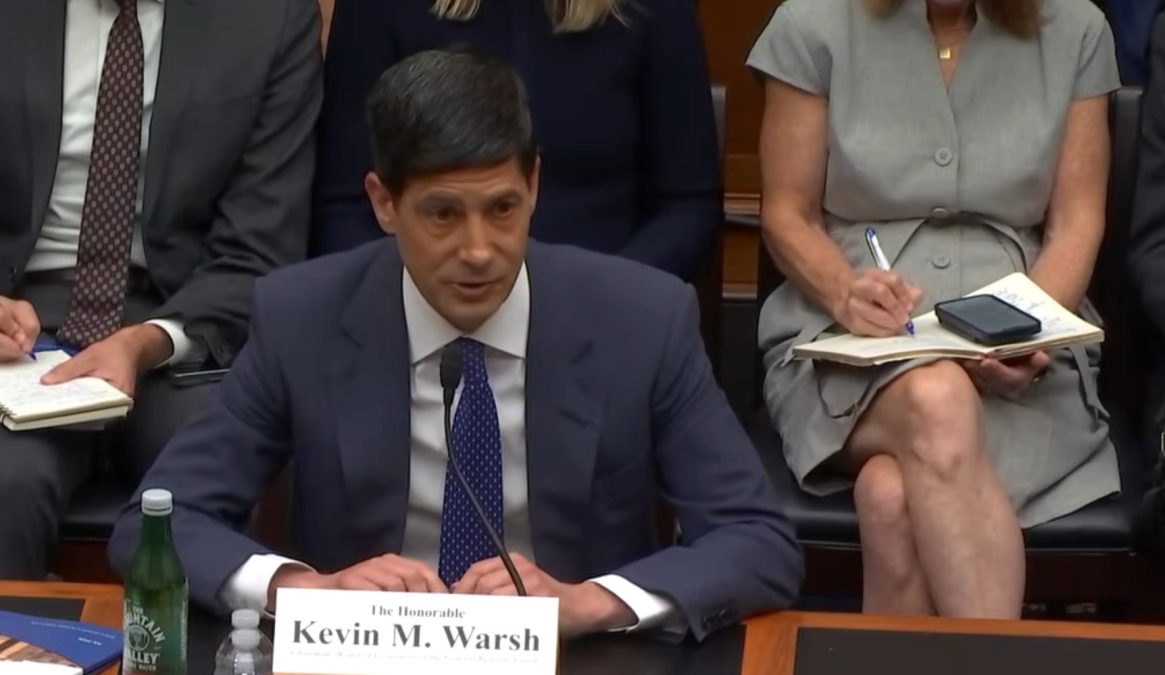
No Bailout: Fed Chair Signals No Safety Net for Stablecoins During Crisis
The implications for the crypto market are profound, as this policy forces a higher standard of collateralization and transparency to prevent contagion. While Warsh remains a vocal proponent of Bitcoin, describing it as an 'important asset,' his refusal to protect stablecoins creates a bifurcated regulatory landscape where Bitcoin's value is recognized, but its secondary stablecoin infrastructure remains exposed to market volatility.
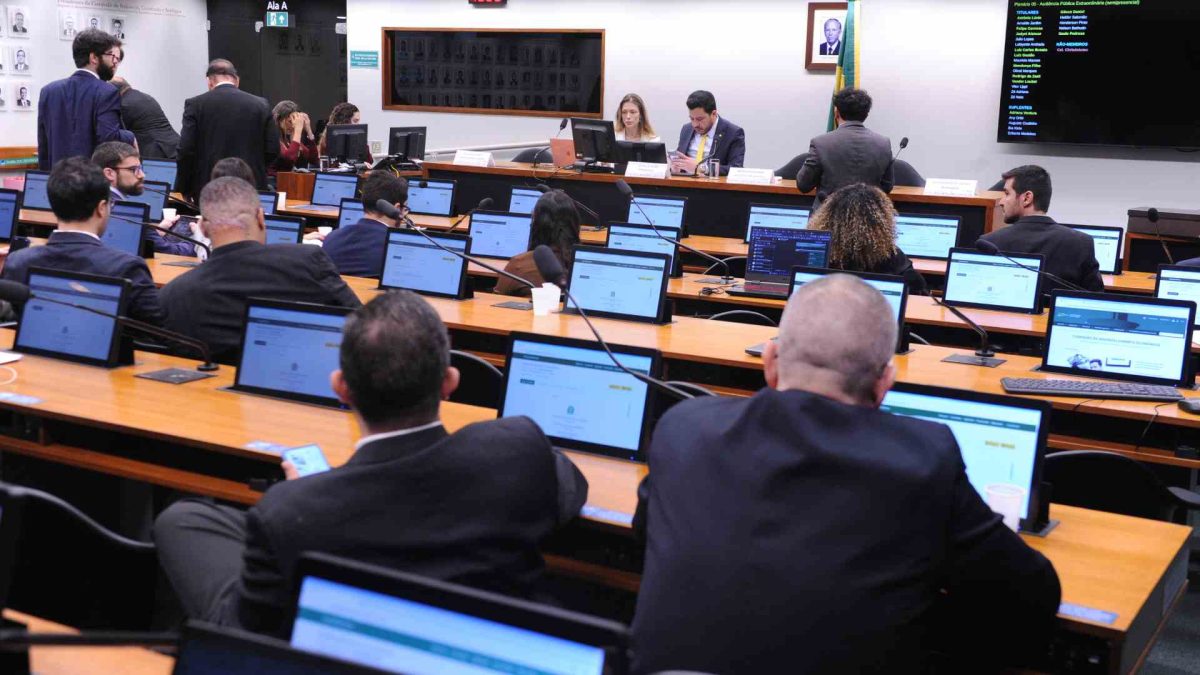
Stablecoin Regulation: ABToken and ABCripto Fight to Protect Digital Asset Legal Status in Brazil
Supported by insights from ABCripto, the industry's push emphasizes that new legislation should complement rather than overwrite existing market structures. Ensuring that stablecoins maintain their legal identity is considered vital for the continued growth of tokenization and the broader digital asset market in Brazil, especially as lawmakers shape the nation's financial future.

Is Bitcoin getting more expensive in Brazil? The BC's exchange suspension explained
Beyond immediate price volatility, the move hampers market making capabilities for Bitcoin and various crypto assets. The resulting liquidity constraints could create a fragmented market, making it more expensive and difficult for Brazilian investors to interact with the global crypto economy.

Crypto or Cash? The Legal Battleground Reshaping Stablecoins in Brazil
This regulatory tug-of-war carries significant implications for market liquidity and financial innovation. As the Central Bank pushes for stricter oversight and monetary control, the crypto sector warns that misclassifying stablecoins could stifle the decentralized benefits of blockchain technology and limit the growth of digital assets in the national economy.

Crackdown on Digital Fraud: New Brazilian Bill Targets Catfishing and Crypto Scams
As the rapporteur highlighted the rising threat of crypto-related crimes, the bill proposes harsh penalties for perpetrators. This development marks a critical shift in Brazil's approach to cybersecurity, aiming to mitigate the risks posed by digital assets in fraudulent schemes and enhance protection for the nation's growing crypto user base.
Regulatory Crackdown? Brazilian Chamber Debates Stablecoin Law with Central Bank and Federal Police
This legislative push comes as the Central Bank proposes stricter controls on crypto-asset transfers to foreign jurisdictions. As the debate unfolds, the industry watches closely, as these new rules could significantly alter how stablecoins are used for international settlements and impact the overall ease of moving capital across borders.
