Crackdown on Digital Fraud: New Brazilian Bill Targets Catfishing and Crypto Scams

The Brazilian Senate has taken a significant step toward curbing online criminality with the progression of Bill 675/2025, authored by Senator Damares Alves. The legislative proposal aims to criminalize digital identity theft, specifically targeting 'catfishing' operations and sophisticated scams that leverage Bitcoin and various other cryptocurrencies to facilitate fraud.
As the rapporteur highlighted the rising threat of crypto-related crimes, the bill proposes harsh penalties for perpetrators. This development marks a critical shift in Brazil's approach to cybersecurity, aiming to mitigate the risks posed by digital assets in fraudulent schemes and enhance protection for the nation's growing crypto user base.
Bill 675/2025, proposed by Senator Damares Alves (Republicanos-DF), advanced in the Federal Senate this past Tuesday (06/30) to combat increasing internet fraud. The proposal suggests the creation of the crime of digital identity theft, featuring direct warnings regarding dangerous scams involving Bitcoin and other cryptocurrencies used to move illicit funds.
The measure follows comments from the bill's rapporteur, who explicitly cited the threats posed by the use of cryptoassets in identity fraud and scams. The text calls for severe punishments for offenders, seeking to provide greater legal security and protection for Brazilian citizens within the digital landscape.
This is a summarized and adapted version by Artificial Intelligence. To read the complete original story, visit the official source.
Read Full Article at LivecoinsSupport Jornal Bitcoin
Independent journalism, curated by AI, no clickbait. Keep the flame alive with any amount of BTC.
jonata@walletofsatoshi.comDaily Crypto Brief 📬
Subscribe to receive the curation of the most important Bitcoin and crypto news, summarized by AI. No spam.
Join more than 10,000 smart readers.
Related News
FATF Warning: Criminal Networks Developing Custom Stablecoins to Evade Asset Freezes
In a sophisticated move to bypass law enforcement, criminal networks are reportedly developing proprietary stablecoins engineered to resist asset seizures and freezes. The FATF is now calling on global jurisdictions to fast-track crypto AML enforcement to combat these evolving methods of money laundering and evasion.

Market Alert: Most Popular Bitcoin Call Option Drops by $10,000
This volatility in Bitcoin call options serves as a barometer for institutional positioning and future price expectations. As the market digests this $10,000 drop, investors are closely watching how these derivatives will influence the broader Bitcoin price action and volatility trends in the coming months.
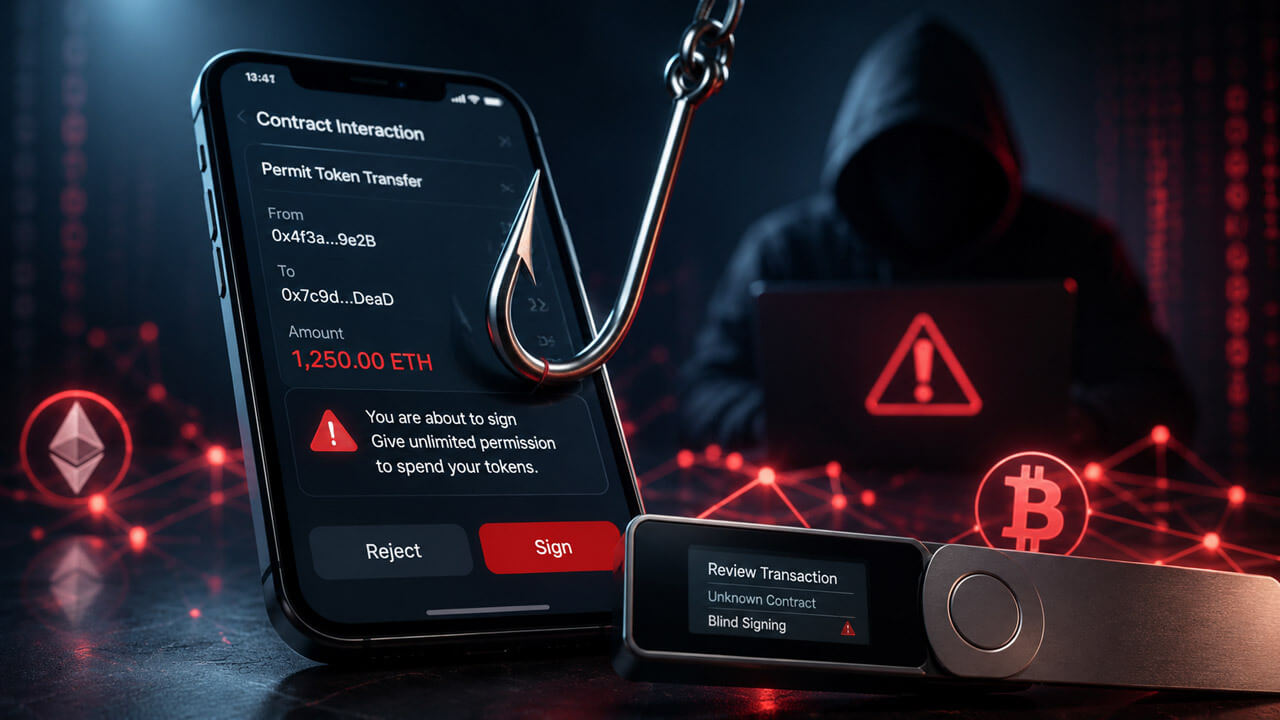
Is an Old iPhone Safer Than a Hardware Wallet? ZachXBT’s Controversial Take Splits Crypto Community
This controversial stance challenges the long-held industry belief that hardware wallets are the ultimate shield for digital assets. By shifting the focus from the physical device to the consequences of a signature, ZachXBT highlights a critical gap in how the crypto community perceives security and smart contract permissions.

Is XRP Finally Ready to Break Out? 3 Key Reasons for a Potential Surge
This potential surge is driven by shifting market sentiment and strategic capital inflows. If technical patterns hold, XRP could challenge key resistance levels, potentially reshaping the Ripple ecosystem's dominance and influencing the broader altcoin market landscape.

Bitcoin Under Pressure: BTC Dips but Holds $64K Amid Iran Conflict Fears
Geopolitical tensions involving Iran have emerged as a primary driver of uncertainty, forcing traders into a defensive stance. This intersection of macroeconomic shifts and Middle East instability means the Bitcoin price remains sensitive to sudden news cycles, with the market awaiting a clear catalyst to break out of its current consolidation phase.
FBI Arrests Florida Man for Using Video Game Malware to Steal $220K in Crypto
This arrest highlights a growing trend where gaming platforms are exploited as vectors for cybercrime. As hackers increasingly use malware in games to target unsuspecting users, the importance of securing crypto wallets and understanding the risks of digital asset theft has never been more vital for the crypto community.
