Ripple Goes All In: CEO Brad Garlinghouse Demands Immediate Passage of CLARITY Act

Ripple leadership has officially thrown its weight behind the CLARITY Act, a pivotal piece of legislation aimed at defining the future of digital asset regulation in the United States. CEO Brad Garlinghouse has issued a direct call to action, signaling that the crypto industry is ready to move past the era of regulatory ambiguity.
As Senate debates intensify, a powerful coalition of financial firms, tech giants, and advocacy groups is rallying to support these clearer rules. The successful implementation of the CLARITY Act could serve as a massive catalyst for institutional adoption, providing the legal certainty the blockchain industry has long demanded.
Ripple executives are mobilizing in support of the CLARITY Act as lawmakers debate the future of U.S. crypto regulation. Ripple CEO Brad Garlinghouse is urging immediate action, stating, 'Let’s get this done,' as financial firms, technology groups, and advocacy organizations unite behind the need for clearer digital asset rules.
A renewed push from Ripple leadership is adding significant momentum to the legislative process. As the Senate debate continues, the industry's demand for a predictable regulatory framework grows, seeking to end the period of uncertainty that has hindered the growth of digital finance.
This is a summarized and adapted version by Artificial Intelligence. To read the complete original story, visit the official source.
Read Full Article at Bitcoin.comSupport Jornal Bitcoin
Independent journalism, curated by AI, no clickbait. Keep the flame alive with any amount of BTC.
jonata@walletofsatoshi.comDaily Crypto Brief 📬
Subscribe to receive the curation of the most important Bitcoin and crypto news, summarized by AI. No spam.
Join more than 10,000 smart readers.
Related News
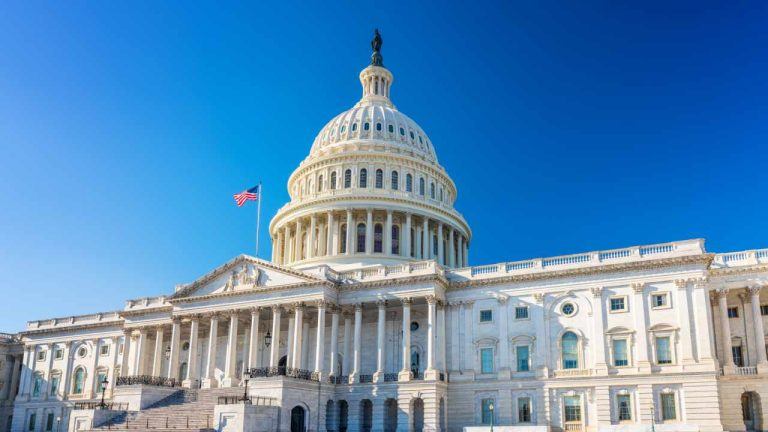
Senate Deadlock? CLARITY Act Passage Odds Plunge to 30%
Unresolved disputes among lawmakers are currently threatening the bipartisan support required to navigate the Senate. This legislative friction suggests that the path to a clear regulatory framework for the crypto industry remains fraught with political obstacles, potentially delaying institutional integration.

Naver to cancel 1 trillion won in treasury stock as it pivots hard into crypto and fintech
The consequences may extend beyond balance sheets. As crypto and fintech climb the agenda, the market could see tighter compliance expectations, regulatory adjustments, and intensified competition for users and liquidity. In short, Naver’s move signals that South Korea’s digital finance race is heating up around digital assets.

Geopolitical Flashpoint: Trump Favors Daily Military Strikes on Iran, Warns Sen. Kennedy
Such a hardline military approach may prolong regional tensions and diminish any remaining prospects for diplomatic resolutions or the lifting of economic blockades. As geopolitical instability rises, market participants are closely monitoring how these tensions impact global liquidity and the demand for decentralized assets.

Down 32% in 6 Months: What Binance Research Says About Bitcoin’s Next Move
Binance Research is now dissecting the data to forecast Bitcoin's next move amidst this volatility. The industry is watching closely to see if this drawdown represents a major trend reversal or a strategic accumulation phase for long-term holders.

B3 Revolution: Brazil's Stock Exchange Unveils Bold New Strategy for Crypto Assets
This strategic shift aims to bridge the gap between traditional finance and the crypto economy through massive scalability. By focusing on financial innovation, the B3 is positioning itself to handle the increasing volume of digital transactions, providing the necessary stability for institutional players to enter the Brazilian crypto market.
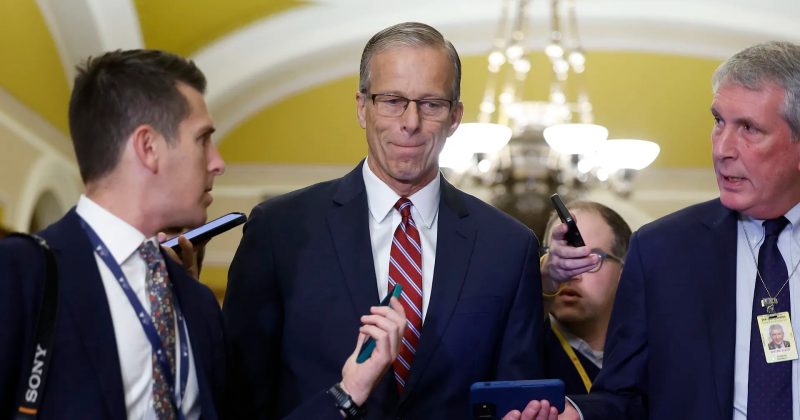
Regulatory Gridlock: John Thune Warns Clarity Act Faces Delay Before August Recess
This delay in passing the Clarity Act prolongs regulatory uncertainty for the crypto industry, which directly threatens market stability and future growth prospects. As lawmakers stall, the lack of a clear legal framework continues to hinder institutional adoption and long-term planning within the sector.
