Naver to cancel 1 trillion won in treasury stock as it pivots hard into crypto and fintech

Naver is making a bold strategic shift: the company plans to cancel roughly 1 trillion won in treasury stock while accelerating its pivot toward crypto and fintech. The message is unmistakable—capital priorities are changing, and that can ripple through South Korea’s regulatory and market dynamics.
The consequences may extend beyond balance sheets. As crypto and fintech climb the agenda, the market could see tighter compliance expectations, regulatory adjustments, and intensified competition for users and liquidity. In short, Naver’s move signals that South Korea’s digital finance race is heating up around digital assets.
The shift could help reshape South Korea’s digital finance landscape, with potential knock-on effects for how regulators respond and how market participants position themselves as crypto and fintech initiatives gain momentum.
This is a summarized and adapted version by Artificial Intelligence. To read the complete original story, visit the official source.
Read Full Article at Crypto BriefingSupport Jornal Bitcoin
Independent journalism, curated by AI, no clickbait. Keep the flame alive with any amount of BTC.
jonata@walletofsatoshi.comDaily Crypto Brief 📬
Subscribe to receive the curation of the most important Bitcoin and crypto news, summarized by AI. No spam.
Join more than 10,000 smart readers.
Related News

Storj Files for Chapter 11 Bankruptcy: A High-Stakes Test for Tokenholder Rights
This restructuring represents a landmark moment for the crypto industry, as Storj explores a court-approved ownership mechanism specifically for STORJ tokenholders. The outcome will serve as a critical legal precedent, testing whether utility token holders can successfully transition into equity participants within a company emerging from bankruptcy.
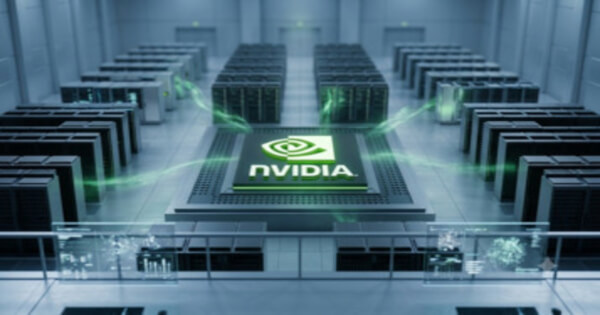
AI Powerhouse: NAVER, NVIDIA, and Brookfield to Triple Korea's AI Factory Capacity
This strategic expansion is designed to pave the way for gigawatt-class AI infrastructure, positioning Korea at the forefront of the global computing race. By leveraging NVIDIA's cutting-edge technology and Brookfield's massive capital, the project will provide the essential computational power required to drive large-scale AI deployment and innovation.
Senate Deadlock? CLARITY Act Passage Odds Plunge to 30%
Unresolved disputes among lawmakers are currently threatening the bipartisan support required to navigate the Senate. This legislative friction suggests that the path to a clear regulatory framework for the crypto industry remains fraught with political obstacles, potentially delaying institutional integration.

Regulatory Chaos: Clarity Act Fails to Gain Momentum as BitMEX Faces Shutdown
Adding to the volatility, the BitMEX exchange is reportedly facing a shutdown as legal pressures mount. This marks a significant turning point in market structure, as the crypto sector undergoes rapid consolidation into just five major players, fundamentally altering the competitive landscape for traders and institutions alike.

The AI-Crypto Convergence: Why Brian Armstrong Sees a Massive Catalyst for Blockchain
This convergence suggests a profound transformation of global financial systems, moving toward an economy driven by machine-to-machine interactions. As AI agents scale, the demand for decentralized settlement layers and crypto-native liquidity is expected to surge, positioning blockchain as the backbone of the burgeoning AI economy.

South Korean Giant Tests Receivables Tokenization with LG CNS via Injective
This pilot program for receivables tokenization highlights the growing momentum of Real World Assets (RWA) moving onchain. By leveraging Injective's specialized infrastructure, these industry leaders aim to streamline commercial workflows, providing a blueprint for how large-scale enterprises will manage liquidity and debt in a decentralized future.
