CryptoSlate

Researchers Uncover 4,200 Malicious Smart Contracts That Successfully Tricked 5,700 Victims Out of Their Crypto
August 3, 202602:35 PM
Researchers Uncover 4,200 Malicious Smart Contracts That Successfully Tricked 5,700 Victims Out of Their Crypto

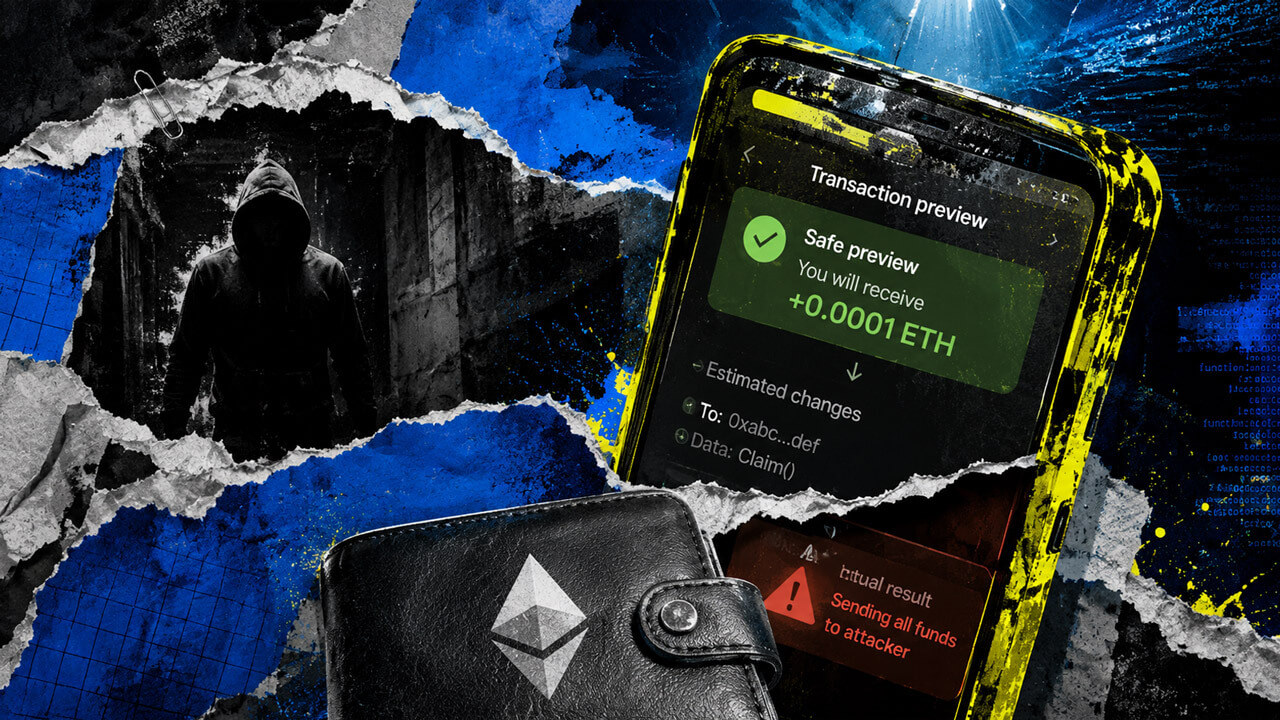
An unresearched study has uncovered 4,224 malicious smart contracts that successfully tricked 5,742 victim addresses into signing away their cryptocurrency assets. This represents one of the largest fraud campaigns in blockchain history, exposing critical vulnerabilities in wallet security and smart contract systems that users rely on daily.

The researchers noted conflicts in the Avalanche contract count and collection cutoff parameters, suggesting the actual number of victims could be even higher. This incident underscores the urgent need for better security practices in the crypto ecosystem, including more rigorous contract audits and enhanced user education about the risks of signing unknown transactions. The cryptocurrency industry faces increasing pressure to implement more effective protection measures against digital scams and fraud.

This is a summarized and adapted version by Artificial Intelligence. To read the complete original story, visit the official source.

Read Full Article at CryptoSlate
QR Code Lightning

Support Jornal Bitcoin

Independent journalism, curated by AI, no clickbait. Keep the flame alive with any amount of BTC.

Wallet of Satoshi
jonata@walletofsatoshi.com

Daily Crypto Brief 📬

Subscribe to receive the curation of the most important Bitcoin and crypto news, summarized by AI. No spam.

Join more than 10,000 smart readers.

Related News

BitGo CEO Puts 100 BTC on the Line, Dares Anthropic's AI to Steal It

Bitcoin.com★ Featured

BitGo CEO Puts 100 BTC on the Line, Dares Anthropic's AI to Steal It

BitGo CEO Mike Belshe has turned one of artificial intelligence's biggest security debates into a public Bitcoin challenge by placing 100 BTC, worth roughly $6.3 million, into a publicly known wallet and daring Anthropic's Claude models to steal it. This bold move comes after Anthropic's disclosure about the advanced capabilities of its AI models, which have demonstrated impressive abilities across various tasks. The BitGo challenge represents a real-world test of Bitcoin's security and the current limitations of AI, questioning whether artificial intelligence systems can overcome the robust cryptographic protections of the blockchain network. As the cryptocurrency community watches closely, the experiment could provide valuable insights into the future of digital security and the potential of AI systems in high-security environments.
Galaxy Research: 1,367 BTC Drained in Coldcard Wallet Attacks
Crypto Briefing★ Featured

Galaxy Research: 1,367 BTC Drained in Coldcard Wallet Attacks

Galaxy Research has identified a massive theft of 1,367 BTC in targeted attacks on Coldcard wallets, exposing critical vulnerabilities in hardware wallet security. This incident represents one of the largest Bitcoin leaks associated with cold storage devices, alerting investors to real risks in digital asset protection.

The breach at Coldcard, one of the most respected hardware wallets in the market, raises urgent questions about the effectiveness of current security measures. Cryptocurrency investors and users are urged to review their digital protection strategies, considering additional solutions like multisig and hierarchical deterministic wallets. This incident could accelerate the adoption of more robust security protocols within the cryptocurrency ecosystem.
Bitcoin Advocate Loses ALL His Savings: Threatens to Sue Coldcard After Devastating Security Flaw
Livecoins★ Featured

Bitcoin Advocate Loses ALL His Savings: Threatens to Sue Coldcard After Devastating Security Flaw

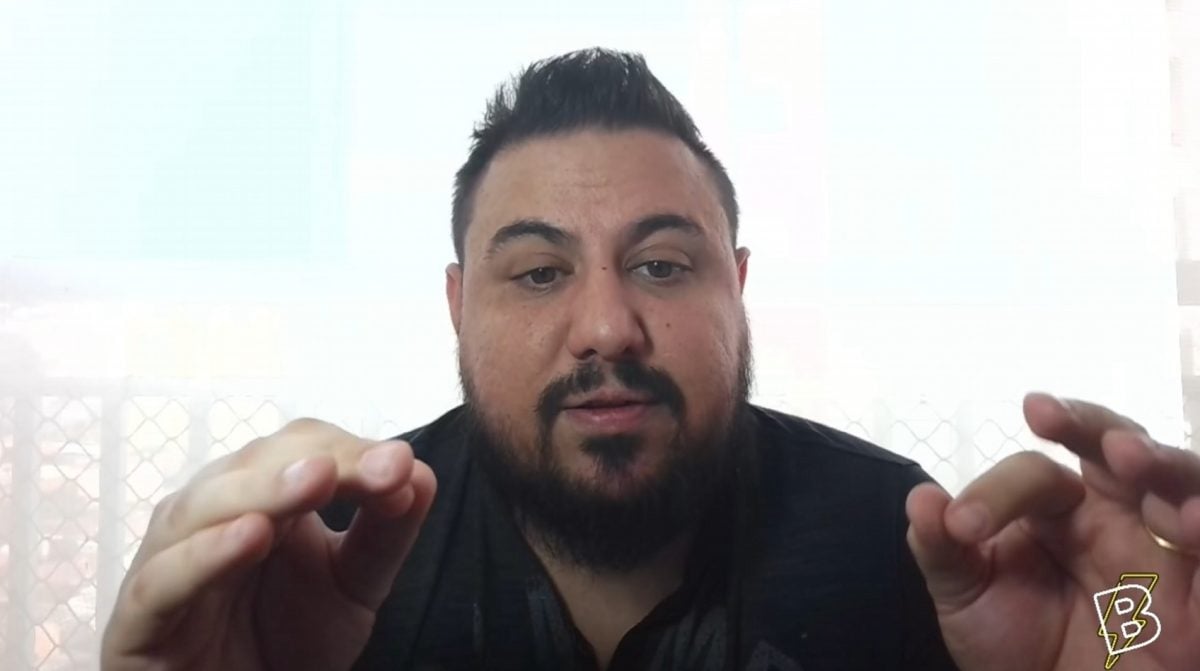
Felipe Ojeda, one of Brazil's most prominent Bitcoin advocates, has suffered a devastating blow after losing all his bitcoins stored in a Coldcard wallet due to a critical security flaw. The vulnerability allowed hackers to drain funds through the generation of seeds with low entropy, exposing thousands of users to the risk of total loss of their digital assets. The incident raises urgent questions about the responsibility of cryptocurrency companies in protecting investors and the transparency of their security products.

The case represents a serious blow to user confidence in Bitcoin in Brazil and globally, especially for those who trust in hardware wallets considered secure. With Ojeda threatening to sue the company, the case could set important legal precedents in the growing field of cryptocurrencies and digital security, forcing the industry to reassess its security protocols and transparency with consumers.
Bitcoin Magazine

Coinkite Releases Fixed Firmware After Coldcard Bug; AI Likely Involved In The Breach

Bitcoin hardware manufacturer Coinkite has released fixed firmware after a critical vulnerability was discovered in Coldcard, with evidence suggesting artificial intelligence was likely used in exploiting the flaw. Developer NVK highlighted that AI-assisted code review can now find latent bugs at a speed outpacing even the industry's most seasoned experts, marking a sober reality of the new AI paradigm. This incident represents a turning point in cryptocurrency security, demonstrating how AI tools can be both a threat and a defense in the blockchain ecosystem. Coinkite's swift response and adoption of AI-assisted code review technologies reflect the growing need for innovation in digital security as adversaries also leverage the same advanced technologies. The case serves as a warning to the entire industry about the importance of staying ahead in the technological arms race.
'Completely Legal': GrapheneOS Pushes Back Against Duress Password Prosecution

Decrypt★ Featured

'Completely Legal': GrapheneOS Pushes Back Against Duress Password Prosecution

GrapheneOS is directly confronting authorities in a duress password case, with activist Samuel Tunick asserting that his actions are 'completely legal.' The prosecution against Tunick is proceeding despite pushback from the GrapheneOS team, who defend digital privacy as a fundamental right. The legal battle is taking on concerning implications for digital privacy, according to Tunick, who accuses authorities of attempting to 'intimidate people' and set a dangerous precedent against privacy technologies. The GrapheneOS case is being closely watched by privacy advocates worldwide, who fear that a ruling against the project could establish a template for future actions against other digital security tools.
The End of Unbreakable? Anthropic's Claude Cracks Post-Quantum Cryptography Humans Failed to Break
Decrypt★ Featured

The End of Unbreakable? Anthropic's Claude Cracks Post-Quantum Cryptography Humans Failed to Break

A massive breakthrough in cybersecurity has emerged as Anthropic’s Claude model successfully identified a novel attack on a post-quantum signature scheme. This specific protocol, which had remained unbroken by human experts for years, is currently headed for U.S. federal standardization, marking a pivotal moment in the evolution of AI-driven cryptanalysis.

The implications are profound for global security infrastructures. As we transition toward a post-quantum era, the ability of artificial intelligence to bypass advanced cryptographic defenses suggests that current standardization processes may be insufficient. This discovery forces a critical re-evaluation of how we build and validate the next generation of digital security protocols.

Jornal Bitcoin Logo