Crypto Shakeup: Central Bank Rules Force Small Exchanges Out of the Market
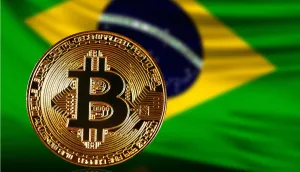
The Brazilian cryptocurrency landscape is facing a massive structural shift. As the October deadline for Central Bank licensing approaches, the industry is being forced to adopt much stricter compliance standards and operational transparency to remain legal.
This regulatory tightening is driving up operational costs, making it increasingly difficult for smaller players to compete. Consequently, we are witnessing an accelerated consolidation of the sector, as smaller exchanges are pushed out, leaving the market to be dominated by larger, more resilient institutional players.
New regulations from the Central Bank are fundamentally reshaping the cryptocurrency market in Brazil. The upcoming October deadline for obtaining official licenses has raised the bar for compliance, placing immense pressure on the industry's operational frameworks.
As the cost of maintaining regulatory standards skyrockets, smaller crypto exchanges are finding it nearly impossible to stay afloat. This shift is expected to trigger a wave of market consolidation, where smaller entities are forced out, and the industry moves toward a more centralized structure dominated by well-capitalized players capable of meeting the BC's stringent requirements.
This is a summarized and adapted version by Artificial Intelligence. To read the complete original story, visit the official source.
Read Full Article at Portal do BitcoinSupport Jornal Bitcoin
Independent journalism, curated by AI, no clickbait. Keep the flame alive with any amount of BTC.
jonata@walletofsatoshi.comDaily Crypto Brief 📬
Subscribe to receive the curation of the most important Bitcoin and crypto news, summarized by AI. No spam.
Join more than 10,000 smart readers.
Related News
The Bitcoin ATM Scam Pipeline: How Criminals Move Cash to On-Chain Wallets
By analyzing the flow from cash to crypto, the report underscores a growing threat to the legitimacy of self-service terminals. As these scams evolve, the ability to trace movement across on-chain wallets becomes crucial for law enforcement and crypto exchanges aiming to mitigate money laundering risks.

From Uber Eats to Monero: How the FBI Unmasked a Steam Malware Financier
The breakthrough came when authorities uncovered a Monero seed phrase linked to roughly $382,000 in cumulative funds used to finance a Steam malware operation. This case serves as a definitive warning that privacy coins and digital anonymity are no longer absolute shields against advanced federal data correlation techniques.
CLARITY Act Passage Is a Matter of 'When, Not If', Says Former House Financial Chair
Drawing a massive comparison to the 1996 Telecommunications Act, McHenry suggests the bill could serve as the foundational architecture for the industry's future. This legislative push aims to provide the legal certainty required for institutional adoption, potentially resolving the long-standing jurisdictional disputes that have hindered the crypto market's growth.

Iran Defies Trump, Maintains Hardline Stance on Strait of Hormuz
The implications of this standoff extend far beyond regional politics, posing significant risks to global energy supplies and market stability. As tensions simmer, the potential for maritime blockades remains a critical variable for macro traders and crypto investors looking to hedge against sudden geopolitical shocks and volatility.

Why Bitcoin Dipped Below $64K Today: The Political Catalyst Shaking the Market
The primary driver behind this market instability is the influence of the POTUS, whose recent actions and statements have once again rattled investor sentiment. As Bitcoin searches for a new floor, market participants are closely watching how political shifts in Washington continue to dictate the trajectory of the crypto market.
Geopolitical Alert: Iran Warns US of 'Painful' Consequences Amid Escalating Tensions
Adding complexity to the situation, reports indicate a 29% approval rate for the proposed Iran reconstruction funding deal slated for 2026. As tensions rise, the interplay between international diplomacy and economic stability remains a key driver for macro-economic shifts and investor sentiment regarding high-risk assets.
