Tax Crackdown: Brazilian Revenue Service Collects R$ 8.3 Million in Crypto Fines
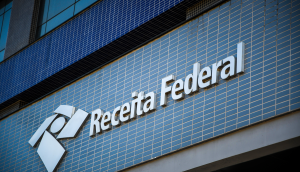
The Brazilian Federal Revenue Service has reached a significant milestone, collecting R$ 8.3 million in fines due to reporting errors in cryptocurrency transactions. This surge in penalties highlights an aggressive push toward crypto compliance, as authorities tighten their grip on digital asset declarations to mitigate tax evasion.
Despite the rising revenue from penalties, the agency faces a structural hurdle in distinguishing specific Income Tax (IR) revenue generated by digital assets from other tax streams. This lack of granular data complicates the assessment of the total fiscal impact of the crypto market, even as the pressure on individual investors to maintain perfect records intensifies.
This is a summarized and adapted version by Artificial Intelligence. To read the complete original story, visit the official source.
Read Full Article at Portal do BitcoinSupport Jornal Bitcoin
Independent journalism, curated by AI, no clickbait. Keep the flame alive with any amount of BTC.
jonata@walletofsatoshi.comDaily Crypto Brief 📬
Subscribe to receive the curation of the most important Bitcoin and crypto news, summarized by AI. No spam.
Join more than 10,000 smart readers.
Related News

Kraken Pro Fee Overhaul: A Strategic Move to Capture High-Volume Traders
By focusing on user retention through tiered incentives, Kraken is positioning itself to compete more aggressively for institutional and advanced retail liquidity. This shift in exchange fee dynamics is a clear signal of the platform's intent to deepen its market share by catering to the most active participants in the digital asset ecosystem.
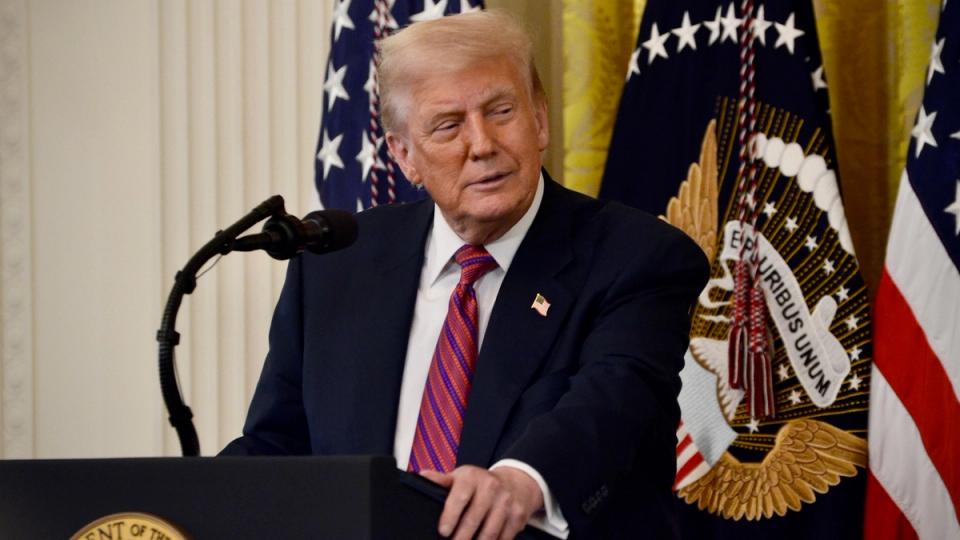
The End of the Digital Dollar? US CBDC Ban Set to Trigger at Midnight
This development underscores a significant political pushback against centralized digital currencies. By imposing these limits through housing law, lawmakers are effectively creating a regulatory barrier that could force the US digital economy to rely more heavily on decentralized assets and private stablecoins instead of state-controlled alternatives.

Operation Reduto: Brazilian Authorities Freeze $1.6M in Crypto Linked to Corruption Scheme in Rondônia
The investigation uncovers a sophisticated network involving 'rachadinha' (salary splitting) among public officials, highlighting how cryptocurrencies are being leveraged for money laundering in regional corruption cases. Supported by the Rondônia Public Prosecutor's Office, the operation aims to dismantle the financial infrastructure of the criminal group and recover stolen public assets.

Regulatory Breakthrough: Circle Cleared to Launch National Crypto Bank in the US
This development arrives amidst an intense race for regulated stablecoins, where regulatory clarity is becoming the ultimate gold standard. By securing this approval, Circle is positioning itself as a cornerstone of the digital economy, offering unprecedented security and compliance for institutional investors.
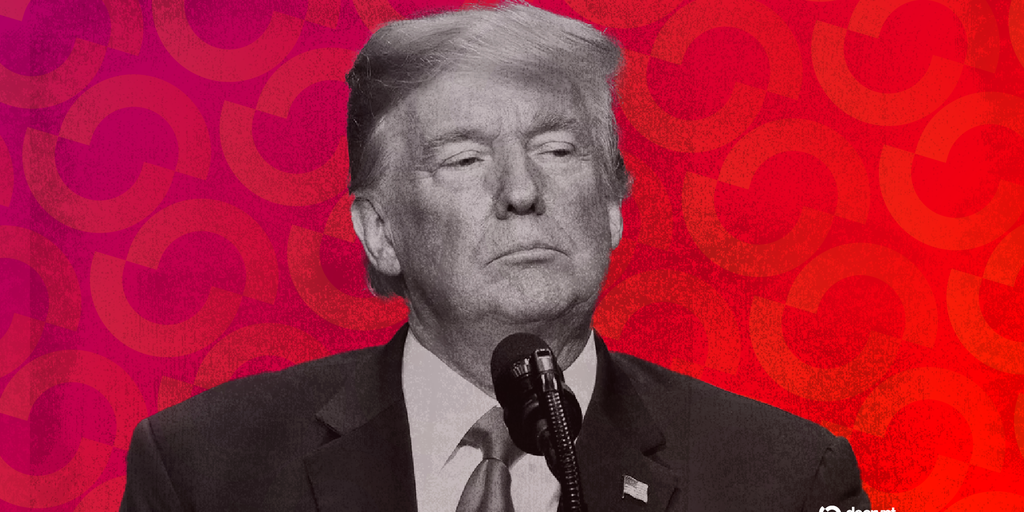
CBDC Death Blow? Housing Bill Banning Fed Digital Currency Becomes Law at Midnight
By effectively freezing the Fed's ability to launch a state-controlled digital dollar for the next several years, the bill creates a massive vacuum that decentralized assets are poised to fill. The long-term impact on monetary policy and the competition between government-issued digital tokens and private cryptocurrencies cannot be overstated, marking a definitive stand against centralized financial surveillance.

Hyundai Makes History: South Korean Giant Adopts Stablecoins for Internal Transfers
By leveraging stablecoins, the automotive giant aims to streamline cross-border capital movements, bypassing the friction and delays inherent in legacy banking systems. This shift highlights a broader corporate trend where global enterprises utilize digital assets to enhance the efficiency and speed of moving money between international business units.
