Operation Reduto: Brazilian Authorities Freeze $1.6M in Crypto Linked to Corruption Scheme in Rondônia

The Federal Police and the Office of the Comptroller General (CGU) launched Operation Reduto, successfully freezing R$ 9 million in cryptocurrencies tied to a massive public fund embezzlement scheme. This strategic crackdown targets the use of digital assets to hide illicit wealth acquired through fraudulent activities in the northern region of Brazil.
The investigation uncovers a sophisticated network involving 'rachadinha' (salary splitting) among public officials, highlighting how cryptocurrencies are being leveraged for money laundering in regional corruption cases. Supported by the Rondônia Public Prosecutor's Office, the operation aims to dismantle the financial infrastructure of the criminal group and recover stolen public assets.
The Federal Police (PF) and the Office of the Comptroller General (CGU) launched Operation Reduto on Thursday (9), mobilizing security teams to execute preventive arrest warrants aimed at halting a fraud scheme focused on Brazil's northern region. A key outcome of the operation is the freezing of approximately R$ 9 million in cryptocurrencies, which were being used to conceal diverted funds.
The investigation, supported by the Rondônia State Public Prosecutor's Office (MPRO), reveals a corruption scheme involving 'rachadinha' practices among public servants. This operation underscores the increasing use of crypto assets in white-collar crimes and the intensified efforts by Brazilian authorities to track and seize digital wealth obtained through illegal means.
This is a summarized and adapted version by Artificial Intelligence. To read the complete original story, visit the official source.
Read Full Article at LivecoinsSupport Jornal Bitcoin
Independent journalism, curated by AI, no clickbait. Keep the flame alive with any amount of BTC.
jonata@walletofsatoshi.comDaily Crypto Brief 📬
Subscribe to receive the curation of the most important Bitcoin and crypto news, summarized by AI. No spam.
Join more than 10,000 smart readers.
Related News

Energy Warfare: Ukraine Strikes Russian Refineries and Fuel Tankers in Massive Offensive
Beyond the immediate battlefield, these strikes could exacerbate Russia's fuel shortages and trigger significant volatility in global energy markets. Such geopolitical instability poses a direct risk to crypto mining economics, as energy price fluctuations can drastically alter the profitability and operational landscape of the digital asset sector.

ETF Exodus: Bitcoin Funds Bleed $95 Million as Ether's Inflow Streak Snaps
Adding to the pressure, Ether ETFs ended a promising five-day inflow streak, posting a $52.08 million exit. With Solana seeing minor redemptions and XRP ETFs showing zero trading activity, the market is closely monitoring these ETF flows to determine if this capital flight is a temporary correction or a broader shift in sentiment.

Goodbye OTP? Hong Kong Forces Crypto Exchanges to Upgrade Security or Pay for Hacks
This regulatory pivot places a massive burden of responsibility on exchanges, as they must now implement immediate monitoring and incident response duties. Failure to comply with these enhanced security standards could result in platforms being held legally and financially liable for user losses, marking a significant shift in the accountability landscape for the crypto industry.

Bitcoin Tests $59,000: Traders Eyeing a Clean Rebound Amid Supply Pressure
This price action is vital for determining whether Bitcoin can consolidate above key support levels or if it will succumb to further liquidation. Current market dynamics suggest that stability around this level could serve as the catalyst for a renewed bullish trend in the broader crypto market.

Global Crackdown: FATF Urges Public-Private Partnerships to Target Crypto-Linked Financial Crimes
This strategic shift aims to bridge the gap between traditional oversight and the rapid evolution of the digital economy. By integrating private sector intelligence, the FATF intends to strengthen the global defense against financial crimes that exploit the high-velocity nature of crypto transactions and digital asset movements.
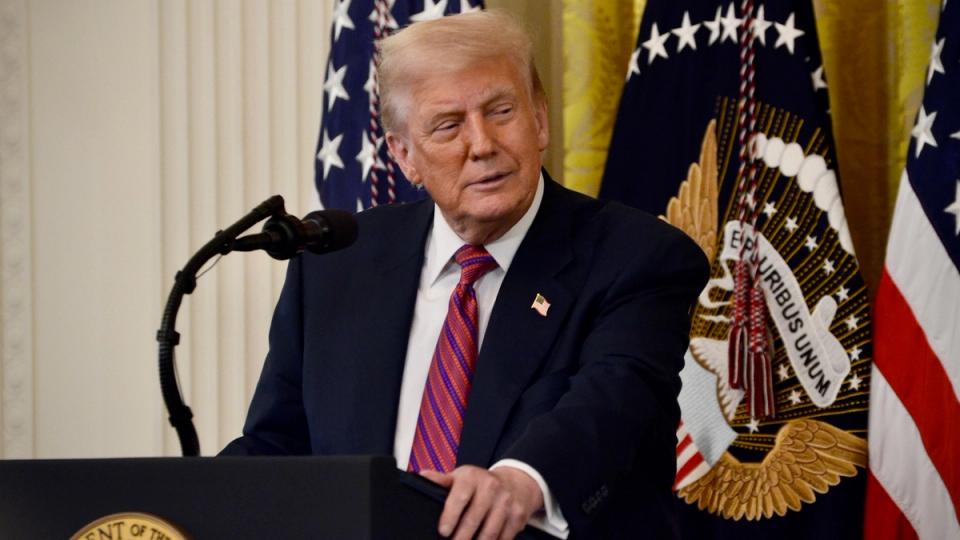
The End of the Digital Dollar? US CBDC Ban Set to Trigger at Midnight
This development underscores a significant political pushback against centralized digital currencies. By imposing these limits through housing law, lawmakers are effectively creating a regulatory barrier that could force the US digital economy to rely more heavily on decentralized assets and private stablecoins instead of state-controlled alternatives.
