40% Crash: Why BlackRock-Backed Securitize Plunged Post-SPAC Debut
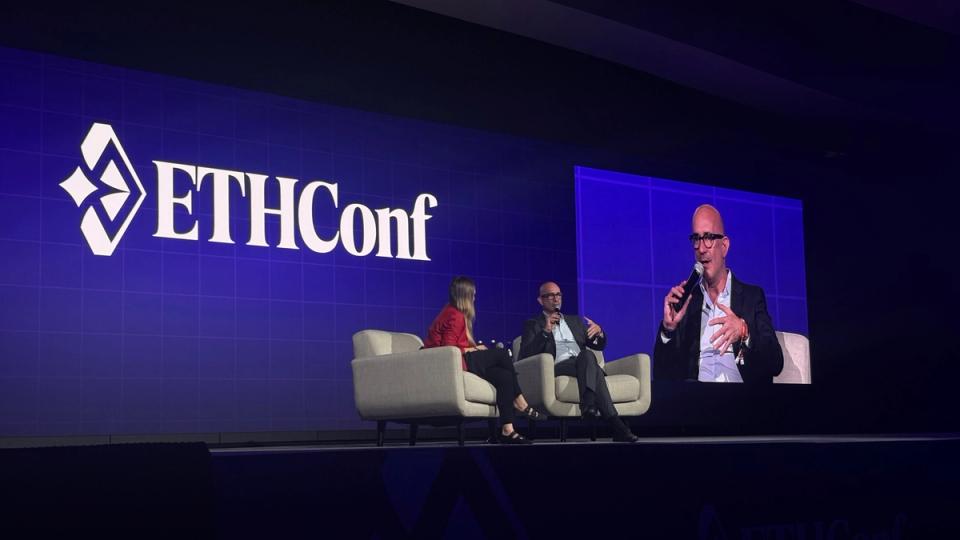
Securitize, the tokenization powerhouse backed by BlackRock, witnessed a staggering 40% collapse following its SPAC debut. This sharp decline disrupts the narrative of a seamless transition for digital asset companies entering the public markets, highlighting intense volatility despite the ongoing tokenization boom.
Industry analysts, including Jeff Dorman from Arca, suggest this downturn follows a troubling pattern of digital asset firms struggling post-listing. The fallout underscores the growing tension between institutional blockchain adoption and the harsh realities of public market valuations for crypto-adjacent enterprises.
Securitize, a key player in the tokenization space with backing from BlackRock, saw its shares slide 40% following its debut via a SPAC merger. Despite the massive momentum currently driving the tokenization boom, the company's market entry has been met with significant selling pressure.
Jeff Dorman of Arca noted that this decline aligns with a broader trend where recently public digital asset companies experience sharp pullbacks after their debut. The event highlights the ongoing struggle for crypto-focused firms to maintain valuation stability in traditional equity markets.
This is a summarized and adapted version by Artificial Intelligence. To read the complete original story, visit the official source.
Read Full Article at CoinDeskSupport Jornal Bitcoin
Independent journalism, curated by AI, no clickbait. Keep the flame alive with any amount of BTC.
jonata@walletofsatoshi.comDaily Crypto Brief 📬
Subscribe to receive the curation of the most important Bitcoin and crypto news, summarized by AI. No spam.
Join more than 10,000 smart readers.
Related News

World Cup Ticket Prices Crash Following USMNT Exit: A Lesson in Market Volatility
This event underscores the growing importance of blockchain technology in modernizing ticket sales. By implementing decentralized solutions, organizers can better manage fluctuating demand and create a more stable, transparent ecosystem for high-stakes sporting events.

Solana's $8.7B RWA Surge: Tokenized Assets Move from Hype to High-Quality Usage
This surge represents a critical evolution in the crypto landscape, shifting the adoption signal from mere tokenized value to actual usage quality. As tokenized assets gain momentum on the network, Solana is positioning itself as the premier destination for the next wave of decentralized finance and real-world asset integration.

Anthropic’s Open-Source AI Thesis is Quietly Reshaping Crypto Capital Flows
The consequences of this shift are profound, as the evolving dynamics between centralized and decentralized AI force a re-evaluation of long-term investment strategies. As open-source AI gains momentum, the crypto market is witnessing a structural realignment of capital flows, favoring projects that can bridge the gap between high-performance AI and decentralized governance.

Vanguard Breaks Silence: Asset Giant Hunts for Digital Assets Chief
The impact of this move cannot be overstated, as it positions one of the world's largest asset managers at the forefront of the digital finance revolution. The incoming executive will oversee everything from custody models to blockchain-based settlement, while acting as a key liaison between Vanguard, industry groups, and global regulators.

Red Alert: Brazil's Central Bank Proposes 24-Hour Crypto Transaction Freeze
The potential impact of this regulation could disrupt the seamless nature of crypto transactions and create friction for global users. As the debate intensifies, the industry watches closely to see how this move toward stricter oversight will affect liquidity and the decentralized ethos of the crypto market.
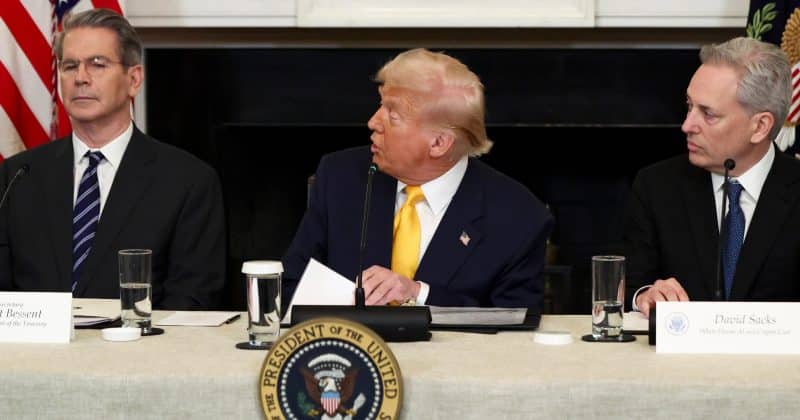
Trump's Deregulation Blitz: 700+ Federal Rules Targeted to Unleash Crypto Growth
By streamlining the regulatory landscape, the administration hopes to boost the US fintech and crypto sectors, effectively reversing the recent outflow of capital and talent. While the potential for growth is immense, the industry remains focused on the execution phase, as navigating the practical hurdles of large-scale regulatory reform remains a significant challenge.
