World Cup Ticket Prices Crash Following USMNT Exit: A Lesson in Market Volatility

The early exit of the USMNT from the World Cup has triggered a sharp decline in ticket prices for the quarterfinal stage. This sudden market shift serves as a stark demonstration of volatility in ticket markets, where consumer demand can evaporate instantly following a major sporting upset.
This event underscores the growing importance of blockchain technology in modernizing ticket sales. By implementing decentralized solutions, organizers can better manage fluctuating demand and create a more stable, transparent ecosystem for high-stakes sporting events.
The USMNT's early exit from the World Cup has led to a noticeable drop in ticket prices for the upcoming quarterfinals. This development highlights the extreme volatility seen in ticket markets and underscores the vital role of blockchain in modernizing ticket sales to better handle fluctuating demand and market shifts.
This is a summarized and adapted version by Artificial Intelligence. To read the complete original story, visit the official source.
Read Full Article at Crypto BriefingSupport Jornal Bitcoin
Independent journalism, curated by AI, no clickbait. Keep the flame alive with any amount of BTC.
jonata@walletofsatoshi.comDaily Crypto Brief 📬
Subscribe to receive the curation of the most important Bitcoin and crypto news, summarized by AI. No spam.
Join more than 10,000 smart readers.
Related News

World Cup Fever Meets Crypto Surge: Digital Assets Are Winning the Global Game
This trend signals that blockchain technology has moved beyond a niche interest to become a driving force in the real-world economy. The convergence of major sporting events and the crypto sector is accelerating the acceptance of digital payments and driving unprecedented user participation in decentralized finance.

Regulatory Breakthrough? SEC Set to Unveil Long-Awaited Crypto Safe Harbor This Month
This development aims to address the persistent legal ambiguity that has stifled innovation within the space. By providing a clearer framework, the SEC's upcoming guidance could significantly impact how crypto assets are classified and regulated, offering much-needed stability to institutional and retail investors alike.

Anthropic’s Open-Source AI Thesis is Quietly Reshaping Crypto Capital Flows
The consequences of this shift are profound, as the evolving dynamics between centralized and decentralized AI force a re-evaluation of long-term investment strategies. As open-source AI gains momentum, the crypto market is witnessing a structural realignment of capital flows, favoring projects that can bridge the gap between high-performance AI and decentralized governance.

Vanguard Breaks Silence: Asset Giant Hunts for Digital Assets Chief
The impact of this move cannot be overstated, as it positions one of the world's largest asset managers at the forefront of the digital finance revolution. The incoming executive will oversee everything from custody models to blockchain-based settlement, while acting as a key liaison between Vanguard, industry groups, and global regulators.
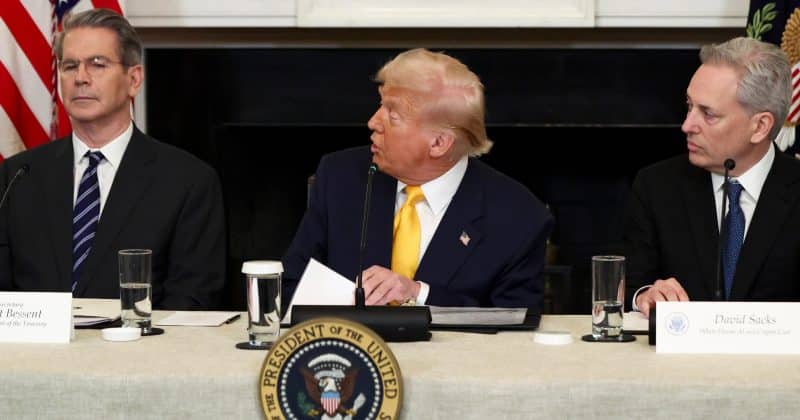
Trump's Deregulation Blitz: 700+ Federal Rules Targeted to Unleash Crypto Growth
By streamlining the regulatory landscape, the administration hopes to boost the US fintech and crypto sectors, effectively reversing the recent outflow of capital and talent. While the potential for growth is immense, the industry remains focused on the execution phase, as navigating the practical hurdles of large-scale regulatory reform remains a significant challenge.

Subgraphs vs. Substreams: Which The Graph Tool Should You Use?
Choosing the right tool is critical for Web3 scalability. Subgraphs provide a reliable method for querying structured data, whereas Substreams offer real-time data streaming capabilities, significantly reducing latency and enhancing the overall performance of decentralized applications.
