Gulf Crisis Escalates: Qatar Intercepts Missile Attack Amid Rising Tensions

Qatar has successfully intercepted a missile attack, a high-stakes development that significantly heightens regional tensions across the Gulf. This security breach serves as a stark reminder of the fragile geopolitical landscape currently influencing global stability and market sentiment.
Compounding the crisis, the likelihood of an effective ceasefire between the US and Iran by July 18 has plummeted to a mere 4.5%. As diplomatic efforts falter, the intersection of military escalation and failed negotiations creates a high-risk environment for global markets and international security.
Qatar intercepted a missile attack amid escalating Gulf tensions, a move that has significantly raised the regional threat level. The incident comes at a time of heightened uncertainty, with the probability of an effective US-Iran ceasefire being implemented by July 18 now sitting at a low 4.5%. The situation remains highly volatile.
This is a summarized and adapted version by Artificial Intelligence. To read the complete original story, visit the official source.
Read Full Article at Crypto BriefingSupport Jornal Bitcoin
Independent journalism, curated by AI, no clickbait. Keep the flame alive with any amount of BTC.
jonata@walletofsatoshi.comDaily Crypto Brief 📬
Subscribe to receive the curation of the most important Bitcoin and crypto news, summarized by AI. No spam.
Join more than 10,000 smart readers.
Related News

Geopolitical Escalation: US Strikes Key Iranian Bridges, Heightening Tensions in Hormozgan
As tensions mount, market sentiment is already reacting to the heightened risk of large-scale conflict. Current projections suggest a 5.5% probability of a formal war declaration by December 31, 2026, forcing investors to brace for significant geopolitical shocks and sudden market shifts.
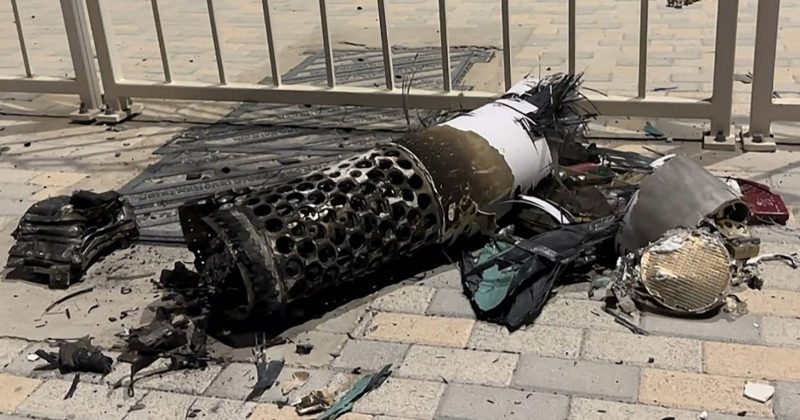
Gulf Tensions Explode: Child Injured in Qatar Amid Iranian Missile Interception as Global Risk Surges
As geopolitical tensions rise, the implications for the crypto market are profound. Investors are closely watching how this Middle East instability will drive market sentiment, potentially triggering massive shifts in liquidity and influencing the role of Bitcoin as a hedge against global unrest.
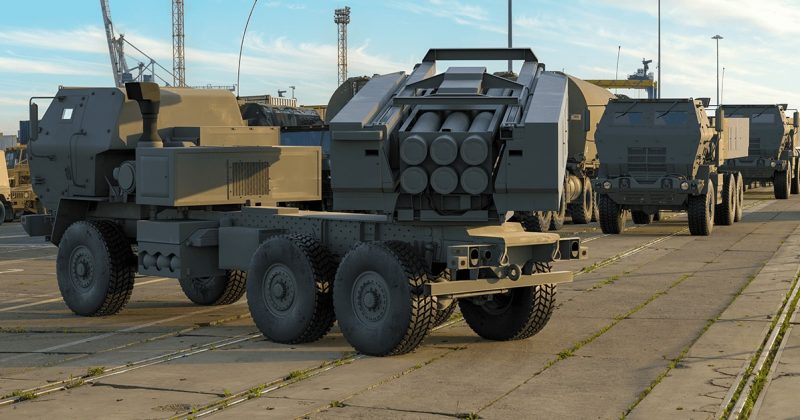
Geopolitical Debunk: HIMARS Strike on Bandar Abbas Deemed Impossible, Shaking Market Sentiment
The impact of these false reports on market views cannot be understated, as rumors of Iranian military action against Gulf states often trigger rapid shifts in risk appetite. As the market processes this debunked claim, the focus shifts back to actual geopolitical stability and the impact of misinformation on global asset volatility.
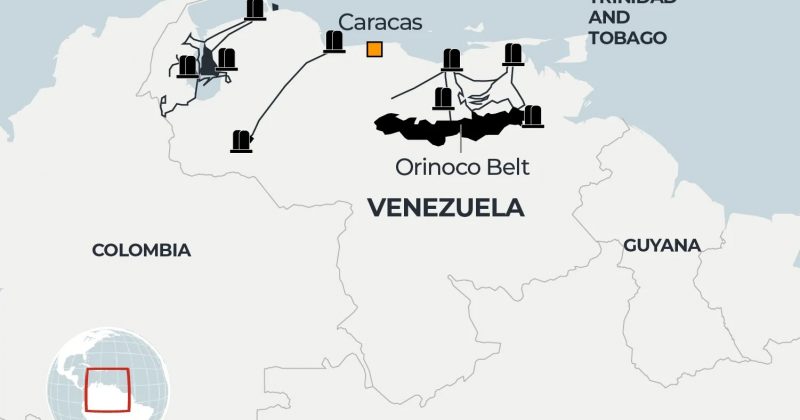
Digital Oil: USDT Trading Volume in Venezuela Now Rivals Crude Exports
The increasing reliance on Tether allows the sanctioned petrostate to settle crude sales through digital assets, effectively bypassing traditional financial bottlenecks. This evolution underscores the growing role of USDT in global commodity trade and its capacity to function as a workaround in geopolitically constrained markets.
Iran Denies Trump’s Claims of American Prisoner Exchange Amid Nuclear Deal Speculation
Adding to the complexity, market indicators suggest a potential final nuclear deal could be reached by August 13, 2026, though currently priced at a low 1.6% probability. Investors should monitor these diplomatic shifts closely as they influence broader macroeconomic stability and risk appetite.
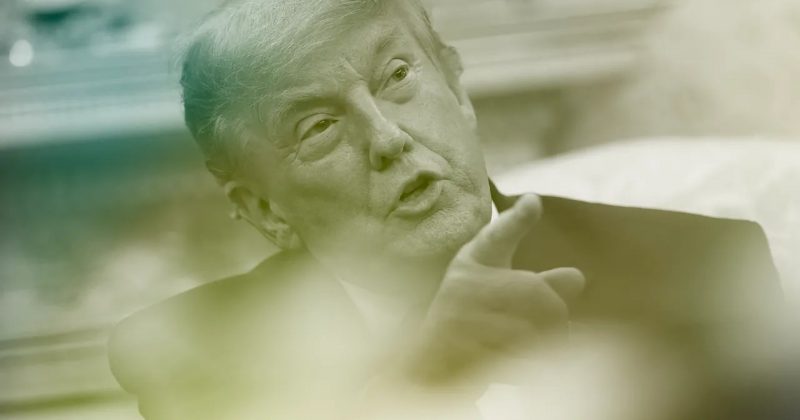
Tehran Billboard Targets Trump: Escalating US-Iran Tensions Reach New Boiling Point
As diplomatic channels remain strained, speculation regarding a potential 2026 US-Iran deal—potentially involving a 26.5% reconstruction funding model—adds a layer of long-term complexity. Investors are closely monitoring these developments, as heightened geopolitical risk often drives capital toward decentralized assets during periods of international unrest.
