Geopolitical Escalation: US Strikes Key Iranian Bridges, Heightening Tensions in Hormozgan

The global geopolitical landscape has been shaken by US military strikes targeting critical bridges in Iran's Hormozgan province. This direct escalation signals a dangerous shift in regional stability, threatening vital trade routes and potentially triggering massive volatility across global financial markets and crypto assets.
As tensions mount, market sentiment is already reacting to the heightened risk of large-scale conflict. Current projections suggest a 5.5% probability of a formal war declaration by December 31, 2026, forcing investors to brace for significant geopolitical shocks and sudden market shifts.
In a move that significantly raises global risk levels, US forces have struck strategic bridges within the Hormozgan province of Iran. By targeting these key pieces of infrastructure, the US aims to disrupt regional logistics, a move that has immediately escalated tensions between the two nations.
The consequences of these strikes extend far beyond military maneuvers, impacting global economic stability. Market data currently reflects a 5.5% probability of a formal declaration of war by December 31, 2026, highlighting the growing systemic risk perceived by analysts in the face of this escalating Middle East crisis.
This is a summarized and adapted version by Artificial Intelligence. To read the complete original story, visit the official source.
Read Full Article at Crypto BriefingSupport Jornal Bitcoin
Independent journalism, curated by AI, no clickbait. Keep the flame alive with any amount of BTC.
jonata@walletofsatoshi.comDaily Crypto Brief 📬
Subscribe to receive the curation of the most important Bitcoin and crypto news, summarized by AI. No spam.
Join more than 10,000 smart readers.
Related News
Crash to $30K or Jump to $100K? 3 AIs Reveal Bitcoin's Likely Fate in 2026
This technological speculation underscores the intense volatility of the crypto market and the growing reliance on predictive algorithms. While the outcomes vary in magnitude, the unanimous consensus among the models provides a crucial signal for investors tracking the long-term trajectory of BTC and its market dominance.
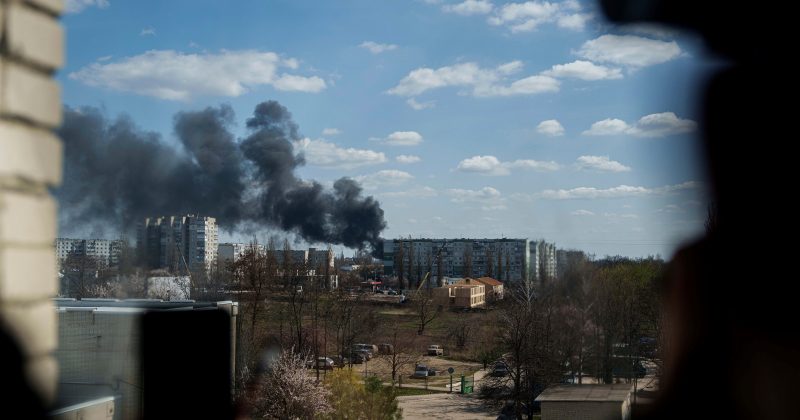
Russia Strikes Sumy with Guided Bombs, Targeting Civilian Infrastructure
As the conflict evolves, strategic forecasting remains volatile. Current data points to a niche 10.5% probability of Ukraine recapturing Crimea by December 31, 2026, a timeline that analysts suggest could fundamentally reshape the macro-economic landscape and the long-term stability of digital assets.

Bitcoin ETF Collapse: What Happens to Your Assets if a Sponsor or Custodian Fails?
As institutional adoption scales through giants like BlackRock's IBIT, the legal distinction between fund assets and corporate liabilities becomes paramount. Understanding these structural safeguards is essential for any investor navigating the intersection of traditional finance and the Bitcoin ecosystem to mitigate potential contagion risks.

The Great Divide: What the First Half of 2026 Revealed About Trader Success
As the macroeconomic landscape defied traditional analyst predictions, data shows that success was not a matter of luck, but of adaptability. The consequences of this market divide are profound, redefining the requirements for being a resilient investor in an increasingly sophisticated and ruthless cryptocurrency landscape.
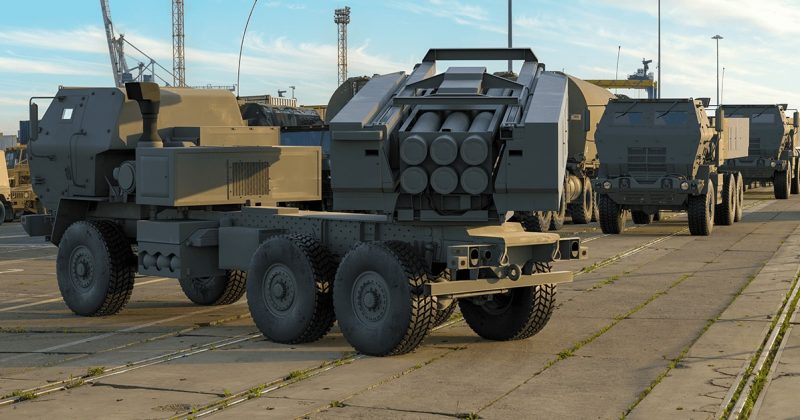
Geopolitical Debunk: HIMARS Strike on Bandar Abbas Deemed Impossible, Shaking Market Sentiment
The impact of these false reports on market views cannot be understated, as rumors of Iranian military action against Gulf states often trigger rapid shifts in risk appetite. As the market processes this debunked claim, the focus shifts back to actual geopolitical stability and the impact of misinformation on global asset volatility.
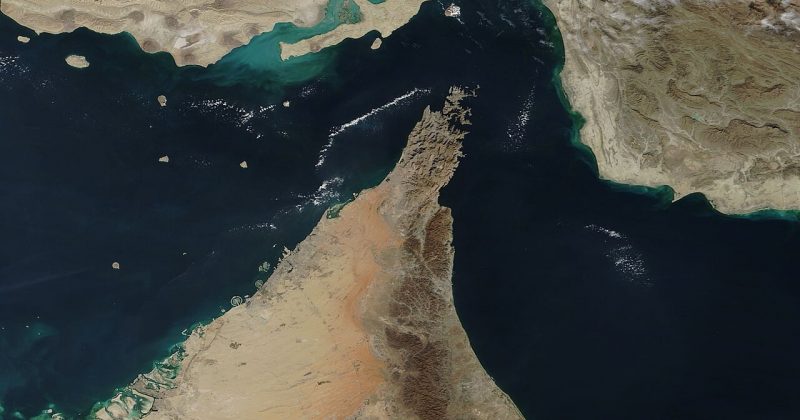
Hormuz Escalation: Iran Attacks Bahrain and Gulf Allies Following US Airstrikes
As the conflict intensifies, the impact of this Hormuz escalation on global markets and energy security cannot be overstated. The direct military action against Gulf states creates a high-risk environment for international trade routes and could trigger significant volatility across both traditional and crypto-asset markets.
