Energy Warfare: New US Bill Targets Top Russian Energy Buyers with Massive 100% Tariffs
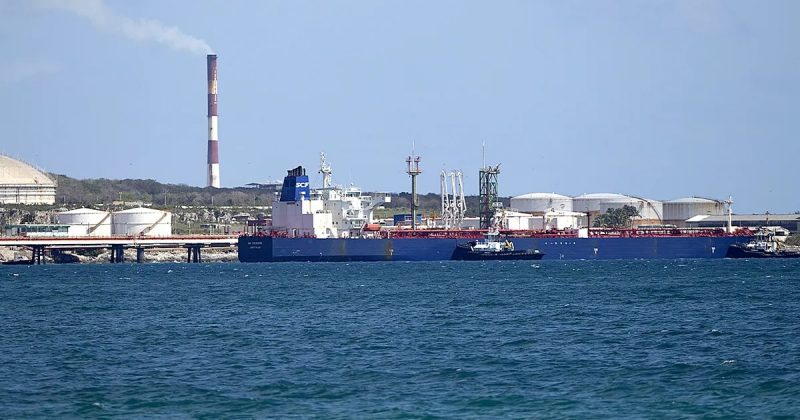
A massive shift in US foreign policy is underway as a new sanctions bill targets the top five buyers of Russian energy with aggressive tariffs of up to 100%. This legislative move is designed to cripple Russia's energy revenue streams and force a realignment of global trade dynamics.
Beyond the immediate geopolitical impact, these sanctions could disrupt global energy markets and trigger a surge in oil prices. Furthermore, the move is expected to intensify regulatory scrutiny on crypto, as authorities ramp up efforts to prevent sanctions evasion through digital assets.
A new US sanctions bill is sending shockwaves through the international community by targeting the top five buyers of Russian energy with tariffs of up to 100%. The proposed legislation aims to tighten the economic noose around Russia, though it carries significant risks of market volatility.
This is a summarized and adapted version by Artificial Intelligence. To read the complete original story, visit the official source.
Read Full Article at Crypto BriefingSupport Jornal Bitcoin
Independent journalism, curated by AI, no clickbait. Keep the flame alive with any amount of BTC.
jonata@walletofsatoshi.comDaily Crypto Brief 📬
Subscribe to receive the curation of the most important Bitcoin and crypto news, summarized by AI. No spam.
Join more than 10,000 smart readers.
Related News
Institutional Surge: Bitcoin and Ethereum Spot ETFs Absorb $239M in Net Inflows
However, the trajectory of these crypto ETFs remains subject to broader market forces. While the influx suggests a bullish sentiment, macroeconomic volatility continues to pose a significant risk that could disrupt this emerging trend and impact long-term liquidity in the crypto ecosystem.

Global Shockwave: China's Q2 Growth Hits Three-Year Low, Forcing Massive Stimulus
As Beijing prepares its response, the ripple effects are set to reshape global market expectations. The shift in liquidity and the potential for massive government intervention will be a decisive factor for crypto markets and global risk assets in the coming quarters.

South China Sea Escalation: US Coast Guard Boosts Presence Amid Chinese Patrols
Beyond the immediate naval standoff, this escalation poses a direct threat to regional stability and vital global trade routes. As geopolitical risks rise, market participants should prepare for potential shifts in global economic sentiment and increased volatility across interconnected financial sectors.
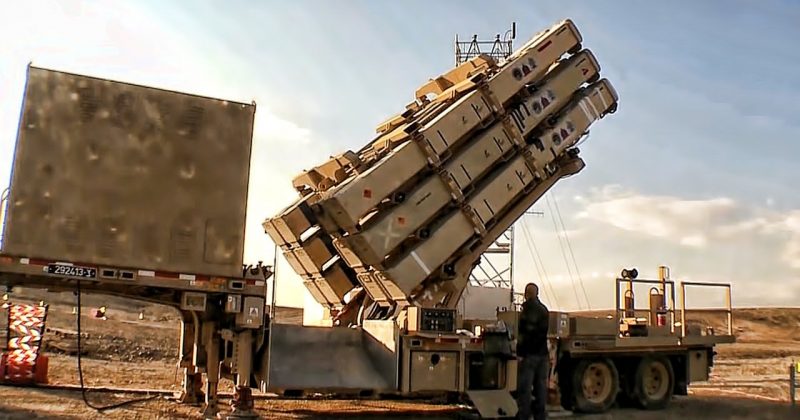
US Strike Hits Iranian Wheat Silo: Why Crypto Markets Are Shrugging It Off
While the escalation of the US-Iran conflict poses a significant threat to global oil routes and international stability, the digital asset sector remains unphased. This decoupling suggests that investors may be viewing crypto as a distinct asset class, less sensitive to immediate commodity-driven geopolitical shocks than previously anticipated.

Inflation Eases as Bitcoin Surges: Polymarket Bets 92.5% on July Fed Hold
This macro-driven rally is seeing broad participation, with Zcash and Pump.fun emerging as standout leaders in the current price action. As investors pivot toward risk-on assets in anticipation of a more dovish Fed stance, the momentum suggests a strengthening recovery for the crypto market.

Global Alert: UN Extends Red Sea Houthi Attack Monitoring, Fueling Market Uncertainty
By prolonging this oversight, the UN acknowledges that the maritime corridor remains a high-risk zone for international logistics. This extended period of instability could trigger volatility in global markets, as investors weigh the consequences of potential supply chain disruptions and heightened geopolitical risks.
