Diplomatic Firestorm: NYC Mayor Demands Netanyahu's Arrest Over ICC Warrant
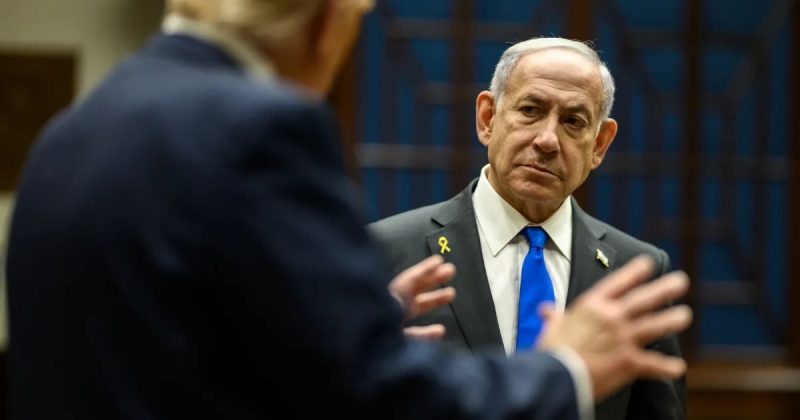
The Mayor of New York City has sparked a massive diplomatic controversy by urging U.S. authorities to arrest Benjamin Netanyahu should he visit the United States. Citing the standing warrant from the International Criminal Court (ICC), this demand places the U.S. government in a high-stakes confrontation regarding international law enforcement and sovereign immunity.
This escalation highlights the growing friction between global judicial mandates and domestic political interests. As the world watches, the potential enforcement—or refusal—of the ICC warrant could redefine the relationship between the United States and international legal institutions, creating significant geopolitical ripples.
The Mayor of New York City has issued a provocative call for the United States to enforce the International Criminal Court (ICC) arrest warrant against Israeli Prime Minister Benjamin Netanyahu if he enters U.S. territory. This move intensifies the ongoing debate regarding the authority of international courts over world leaders.
As political tensions rise, the demand places significant pressure on U.S. federal authorities to navigate the complex intersection of international law and bilateral diplomacy. The situation remains a critical flashpoint in global politics, with implications for how international mandates are respected on American soil.
This is a summarized and adapted version by Artificial Intelligence. To read the complete original story, visit the official source.
Read Full Article at Crypto BriefingSupport Jornal Bitcoin
Independent journalism, curated by AI, no clickbait. Keep the flame alive with any amount of BTC.
jonata@walletofsatoshi.comDaily Crypto Brief 📬
Subscribe to receive the curation of the most important Bitcoin and crypto news, summarized by AI. No spam.
Join more than 10,000 smart readers.
Related News
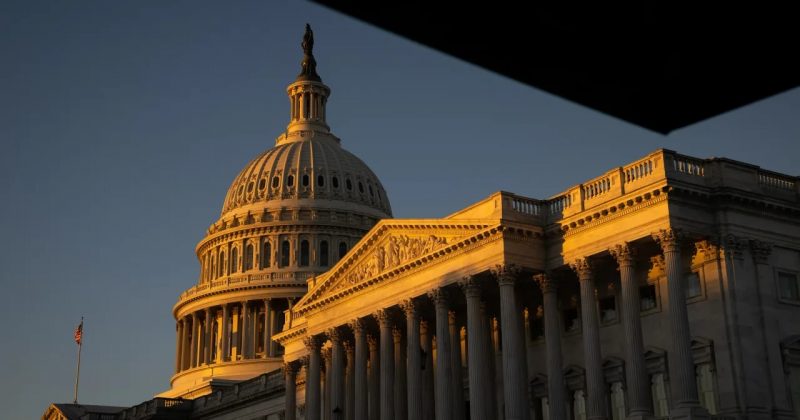
Crypto Lobby War: Industry Drops $200M to Force CLARITY Act Through US Senate
As this legislative battle unfolds, the broader market remains highly sensitive to political developments. The successful passage of the CLARITY Act could serve as a catalyst for institutional adoption, providing the legal framework necessary for the long-term stability of the crypto ecosystem and the Bitcoin market.

Middle East Crisis: Iranian Missiles Target Jordan as Smoke Rises Over Aqaba
In a preemptive move to manage the escalating threat, Israel has announced the closure of its airspace through July 31. As the conflict intensifies, the intersection of geopolitical instability and global security remains a primary driver for market uncertainty and potential shifts in risk appetite.

Iran Confirms No Talks with US Amid Escalating Conflict: A Geopolitical Deadlock
Despite the current standoff, long-term economic models suggest a massive shift if diplomacy succeeds. Projections indicate that a US-Iran deal by 2026 could unlock reconstruction funding amounting to 30.5%, potentially reshaping the economic landscape of the Middle East and stabilizing regional trade flows.
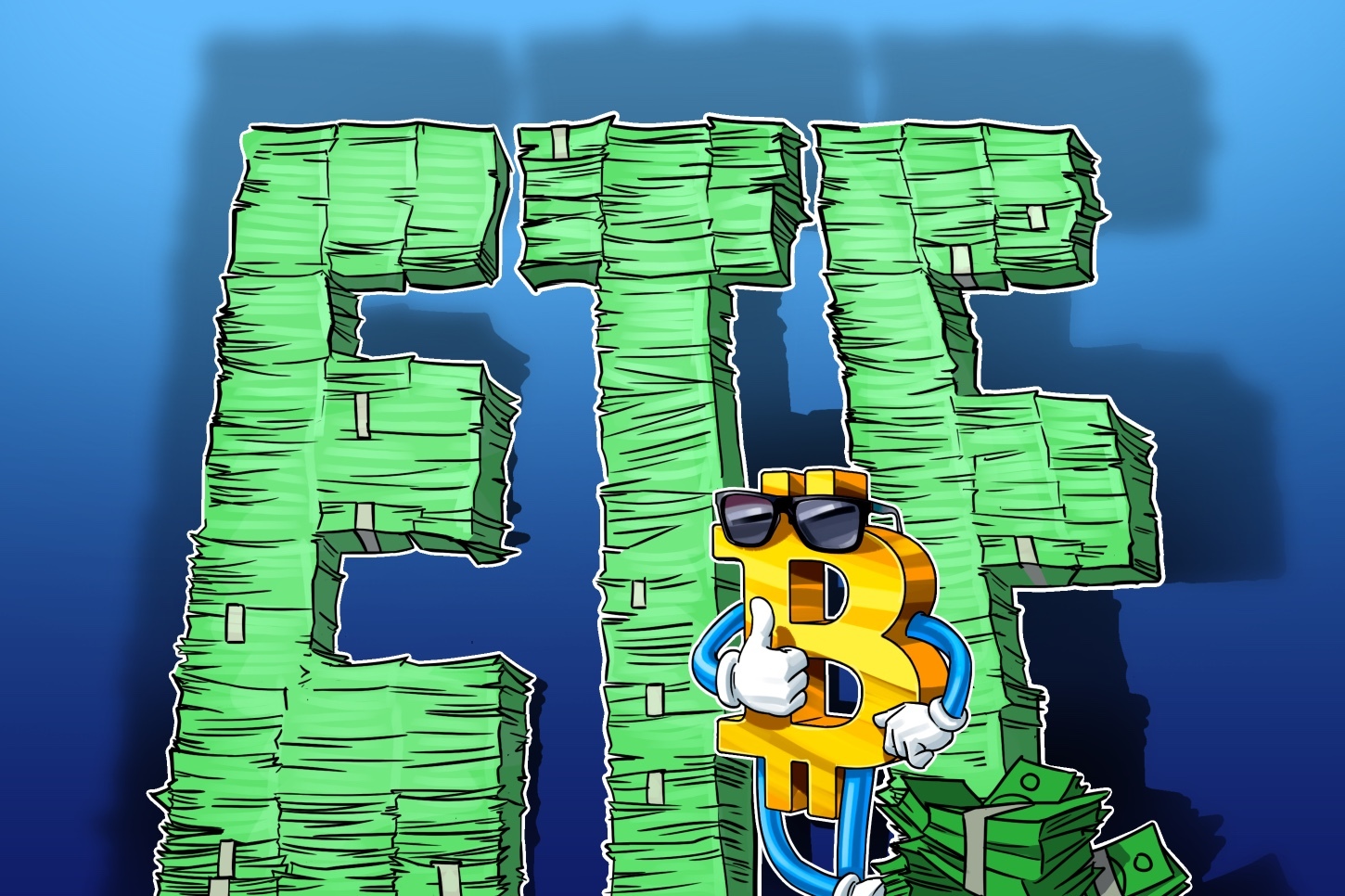
Institutional Surge: Bitcoin ETFs Hit 6-Day Inflow Streak with $203M Added
This sustained capital influx highlights a growing momentum in the crypto market, even as year-to-date net totals remain under pressure. As Bitcoin trades near the $66,000 mark, the consistent performance of these Bitcoin ETFs serves as a critical indicator of long-term institutional adoption and market liquidity.

Military Escalation: US-Iran Conflict Intensifies Amid Ongoing 2026 Iran War
Despite the aggression, diplomatic channels are exploring long-term recovery frameworks. Current intelligence points toward a potential US-Iran deal involving reconstruction funding, with a 30.5% probability of securing funds for Iranian reconstruction by 2026, aiming to stabilize the region following this intense military conflict.

Geopolitical Alert: Houthi Militants Poised to Disrupt Bab el-Mandeb Shipping
Such geopolitical instability poses a direct threat to global supply chains and could trigger massive volatility across financial markets. For crypto investors, this escalation represents a classic 'black swan' risk, where sudden shifts in global trade stability can lead to rapid fluctuations in digital asset liquidity and market sentiment.
