Military Escalation: US-Iran Conflict Intensifies Amid Ongoing 2026 Iran War
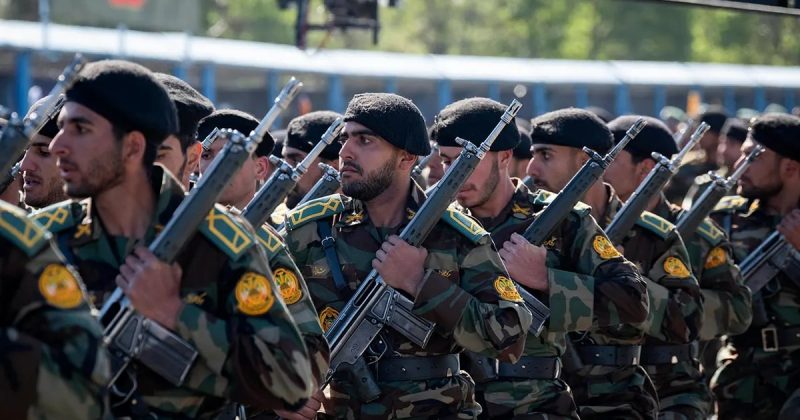
Global geopolitical stability is under severe threat as the US-Iran military conflict escalates through continuous attacks. The ongoing 2026 Iran War has created a volatile environment, forcing international observers to monitor the rapid intensification of hostilities and their potential ripple effects on global security.
Despite the aggression, diplomatic channels are exploring long-term recovery frameworks. Current intelligence points toward a potential US-Iran deal involving reconstruction funding, with a 30.5% probability of securing funds for Iranian reconstruction by 2026, aiming to stabilize the region following this intense military conflict.
The US-Iran military conflict has escalated significantly with ongoing attacks reported across the region. As the 2026 Iran War continues to unfold, the tension between the two nations reaches a breaking point. Amidst the combat, there are emerging discussions regarding a potential US-Iran deal that could include reconstruction funding for Iran, with a 30.5% likelihood of such funding being established by 2026.
This is a summarized and adapted version by Artificial Intelligence. To read the complete original story, visit the official source.
Read Full Article at Crypto BriefingSupport Jornal Bitcoin
Independent journalism, curated by AI, no clickbait. Keep the flame alive with any amount of BTC.
jonata@walletofsatoshi.comDaily Crypto Brief 📬
Subscribe to receive the curation of the most important Bitcoin and crypto news, summarized by AI. No spam.
Join more than 10,000 smart readers.
Related News
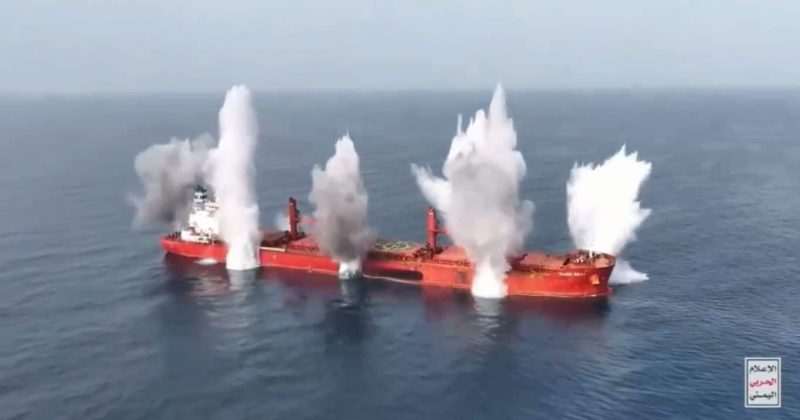
US Strikes Red Sea Targets: Geopolitical Escalation Threatens Market Stability
As geopolitical tensions rise, the ripple effects are expected to hit the broader financial landscape, including the crypto market. Increased uncertainty regarding global supply chains and military escalations often drives investors toward defensive postures, potentially triggering sudden volatility in digital assets.
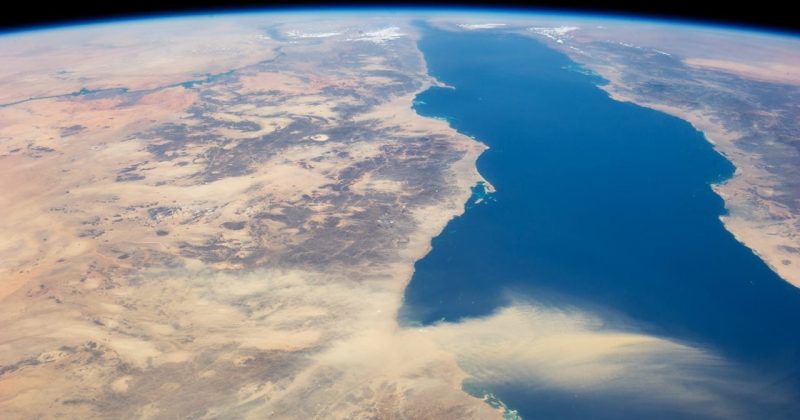
Red Sea Crisis: Houthi Plan to Block Oil Route Could Send WTI Soaring
The economic fallout could be monumental, with market indicators suggesting a potential surge in WTI crude prices toward $110 by July 2026. As the threat to the Red Sea shipping lanes intensifies, investors are bracing for heightened volatility and a significant shift in global energy dynamics.

Middle East Crisis: Iranian Missiles Target Jordan as Smoke Rises Over Aqaba
In a preemptive move to manage the escalating threat, Israel has announced the closure of its airspace through July 31. As the conflict intensifies, the intersection of geopolitical instability and global security remains a primary driver for market uncertainty and potential shifts in risk appetite.
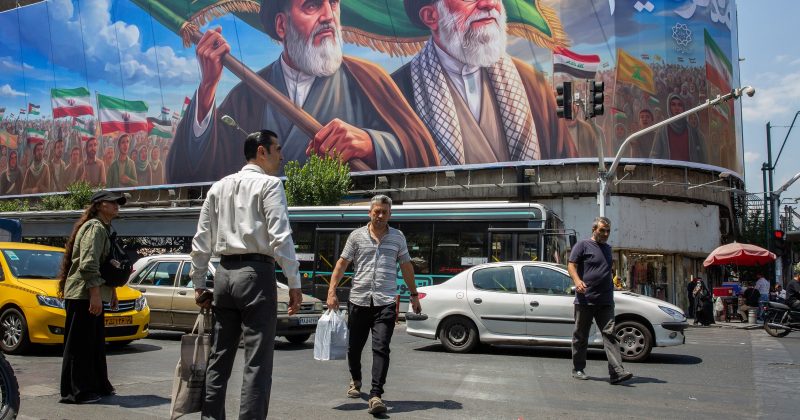
Iran Confirms No Talks with US Amid Escalating Conflict: A Geopolitical Deadlock
Despite the current standoff, long-term economic models suggest a massive shift if diplomacy succeeds. Projections indicate that a US-Iran deal by 2026 could unlock reconstruction funding amounting to 30.5%, potentially reshaping the economic landscape of the Middle East and stabilizing regional trade flows.
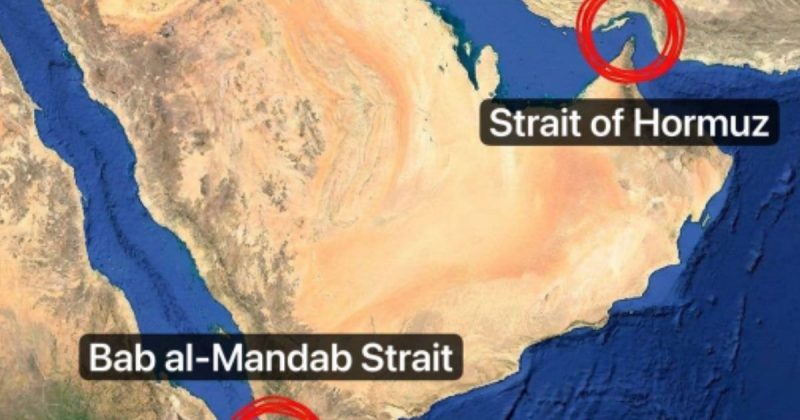
Geopolitical Alert: Houthi Militants Poised to Disrupt Bab el-Mandeb Shipping
Such geopolitical instability poses a direct threat to global supply chains and could trigger massive volatility across financial markets. For crypto investors, this escalation represents a classic 'black swan' risk, where sudden shifts in global trade stability can lead to rapid fluctuations in digital asset liquidity and market sentiment.
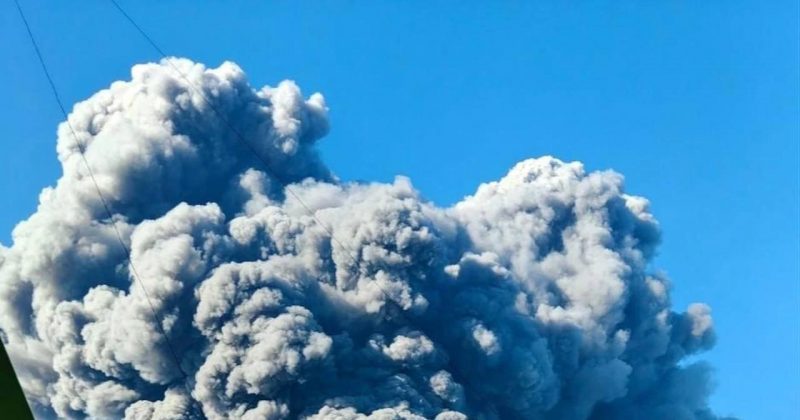
Geopolitical Escalation: Ukraine Strikes Wildberries Logistics Hubs and Russian Oil Depots
As the conflict evolves, high-stakes projections are emerging regarding territorial control, with some analysts suggesting a potential recapture of Crimea by December 31, 2026. The intersection of military strikes and long-term geopolitical shifts continues to drive global uncertainty and market sentiment.
