Polymarket Odds Hit 85% for Fed Hold in July as Oil Risks Threaten Outlook

Prediction markets are signaling a major consensus, with Polymarket odds placing an 85% probability on the Federal Reserve holding interest rates steady during its July meeting. This high-conviction forecast underscores the market's anticipation of continued restrictive monetary policy amidst economic uncertainty.
However, the landscape is shifting as oil-related risks emerge to reshape global financial outlooks. Recent analysis from BNY suggests that volatility in the oil market could cap the carry appeal of certain currencies, acting as a macro signal that dictates how long the Fed's restrictive stance will persist and influencing broader capital flows.
Adding complexity to this outlook is the growing risk associated with oil prices. A BNY note has warned that oil-related risks could cap the carry appeal of the Indian rupee, serving as a significant macro signal. This volatility has the potential to reshape views on how restrictive the Fed's policy will remain, potentially altering the direction of global markets and currency valuations.
This is a summarized and adapted version by Artificial Intelligence. To read the complete original story, visit the official source.
Read Full Article at Blockchain.newsSupport Jornal Bitcoin
Independent journalism, curated by AI, no clickbait. Keep the flame alive with any amount of BTC.
jonata@walletofsatoshi.comDaily Crypto Brief 📬
Subscribe to receive the curation of the most important Bitcoin and crypto news, summarized by AI. No spam.
Join more than 10,000 smart readers.
Related News
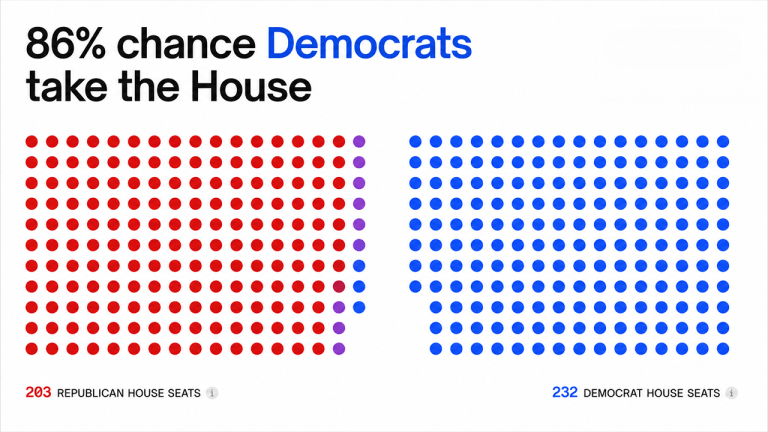
House Flip or Senate Hold? Prediction Markets Unleash Massive Bets on 2026 Midterms
This surge in activity across prediction markets highlights a growing trend where decentralized betting drives political sentiment. With Polymarket bettors assigning an 86% probability to certain Democratic victories, these massive wagers across hundreds of individual races are turning political forecasting into a high-liquidity financial frontier.

Polymarket Shock: Eizenkot Odds Hit 51% for Israel PM Ahead of Critical Likud Vote
This development coincides with a high-stakes Monday vote within the Likud party, where members will decide on Benjamin Netanyahu’s long-delayed proposal for party primaries. The intersection of prediction market volatility and Israeli political maneuvering suggests a period of intense uncertainty for the nation's governance.
Red Alert: 1,900% Surge in Hidden Cost May Pose Greater Risk Than Oil Price Rally
This unprecedented move suggests that the underlying logistics of global energy transport are facing extreme volatility. While the market remains hyper-focused on oil price fluctuations, this explosive increase in hidden operational costs could trigger broader inflationary pressures and redefine global risk assessments for the energy sector.
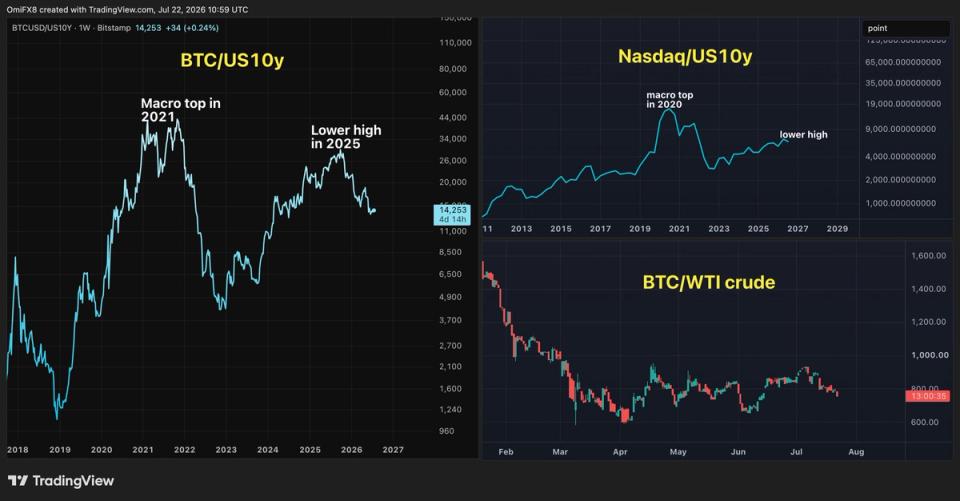
The Hidden Catalyst: Why Bitcoin Bulls Must Watch Interest Rates Closely
Analyzing the correlation between the cost of borrowing and risk assets is essential for navigating upcoming market volatility. As the economic cycle shifts, Bitcoin's sensitivity to interest rate fluctuations will dictate whether the crypto market enters a parabolic bull run or a period of sustained stagnation.
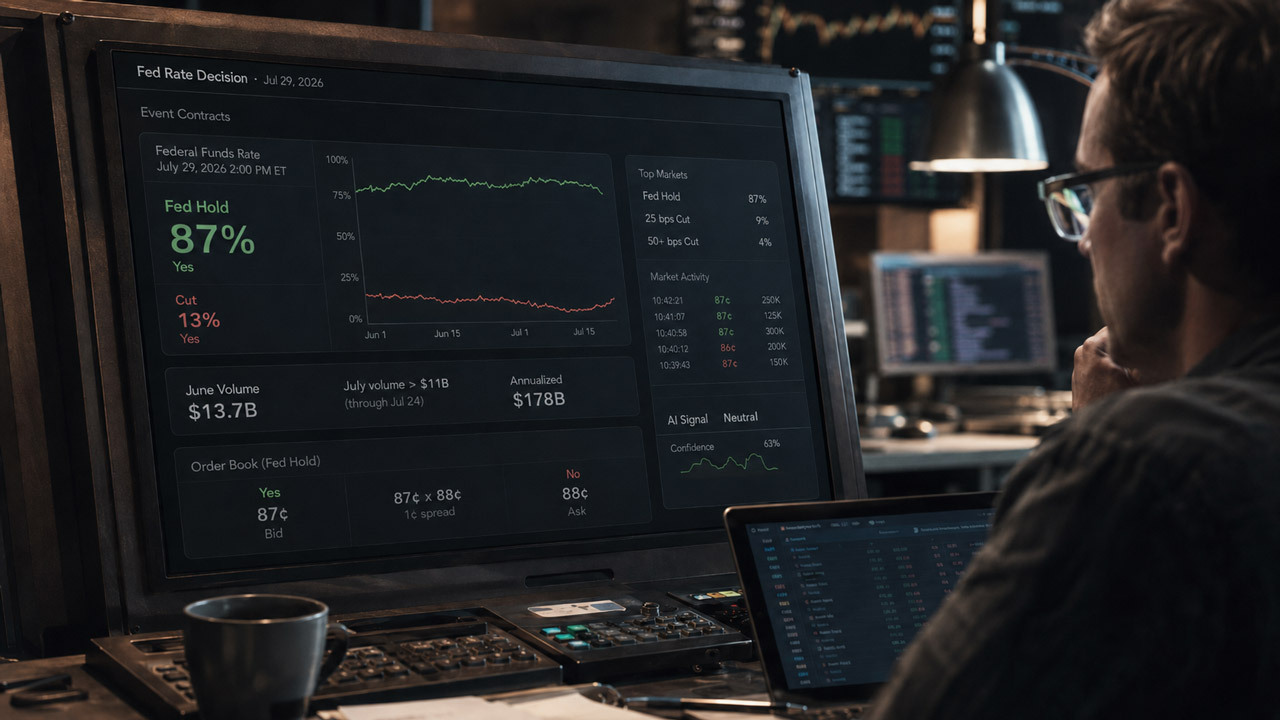
The End of Easy Money? How AI Agents are Dominating Polymarket and Kalshi
This shift toward AI-driven high-frequency trading means that market outcomes—priced through bonds, currencies, and crypto—are being captured by algorithms in milliseconds. As these automated agents integrate macroeconomic data, the competitive landscape for retail traders becomes increasingly difficult, signaling a new era of institutionalized algorithmic dominance in prediction markets.
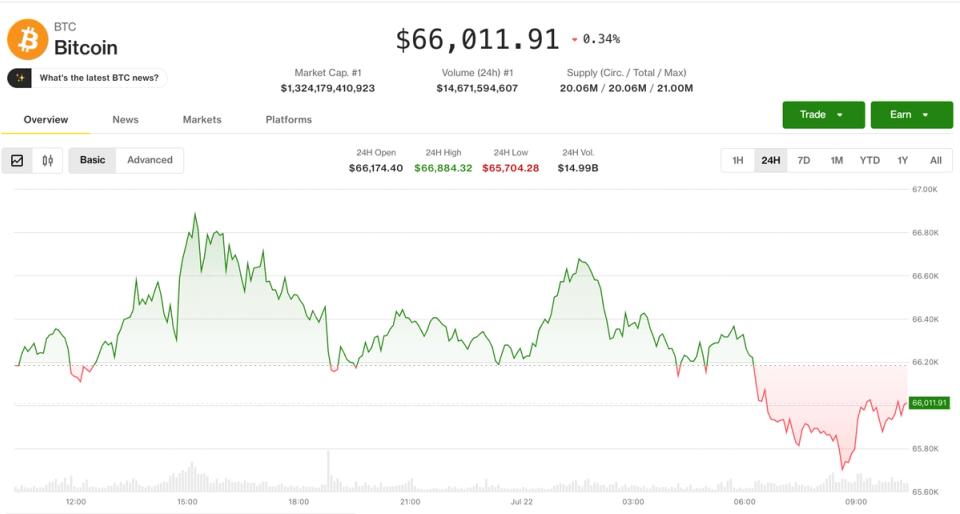
Bitcoin retreats from one-month high as oil prices surge and inflation fears return
As macroeconomic uncertainty grows, market participants are pivoting away from speculative altcoins. Instead, capital is flowing toward traditional safe havens like gold and silver, as well as Bitcoin, which continues to be positioned as a primary hedge against rising inflation and commodity volatility.
