Polymarket Surge: Marine Le Pen Hits 32% Probability for 2027 French Election

Polymarket is witnessing a massive surge in activity, with trading volume skyrocketing past the $114.8 million milestone. The latest data reveals a significant political shift, with Marine Le Pen now holding a 32% probability of winning the 2027 French presidential race, highlighting the platform's growing influence in tracking global political trends.
This explosion in volume underscores the critical role of prediction markets in navigating a volatile macro landscape. As the world grapples with U.S. election disputes and ongoing conflicts in the Middle East, the liquidity flowing through Polymarket demonstrates how blockchain-based forecasting is becoming an essential tool for analyzing geopolitical shifts and institutional stability.
The decentralized prediction market Polymarket has reached a new level of engagement, with total trading volume surpassing $114.8 million. The headline-grabbing data points to a major shift in French politics, as Marine Le Pen climbs to a 32% probability of winning the 2027 presidential election. This surge comes amidst a complex macro backdrop characterized by renewed U.S. election disputes and escalating tensions in the Middle East, proving that prediction markets are becoming central to understanding global geopolitical volatility.
This is a summarized and adapted version by Artificial Intelligence. To read the complete original story, visit the official source.
Read Full Article at Blockchain.newsSupport Jornal Bitcoin
Independent journalism, curated by AI, no clickbait. Keep the flame alive with any amount of BTC.
jonata@walletofsatoshi.comDaily Crypto Brief 📬
Subscribe to receive the curation of the most important Bitcoin and crypto news, summarized by AI. No spam.
Join more than 10,000 smart readers.
Related News

US Global Travel Alert: How Iran Tensions Could Shake the Crypto Markets
As risk appetite fluctuates, investors must prepare for potential liquidity shifts and market corrections. The intersection of Middle East tensions and global finance means that crypto markets may face sudden pressure, testing the resilience of decentralized assets against traditional macroeconomic shocks.

US Military Strikes Iran: Geopolitical Tensions Surge Amid 2026 Conflict
With a 54.5% probability of a full airspace closure by August 31, the threat of a wider regional war looms large. As tensions in Iran rise, market participants are bracing for extreme volatility, potentially triggering a massive rotation into Bitcoin as a hedge against systemic geopolitical risk.
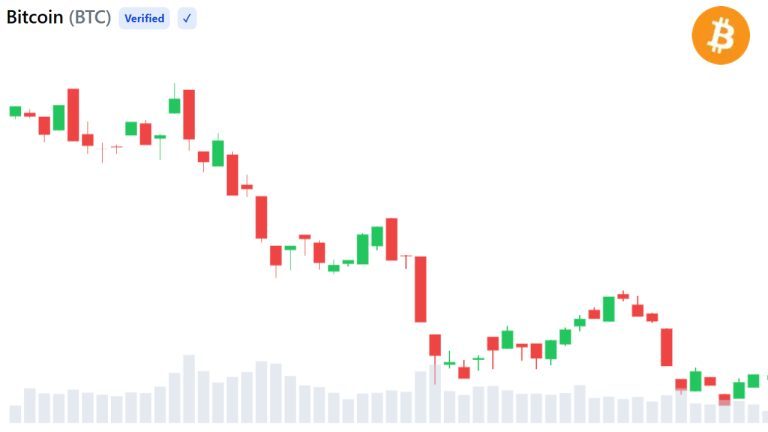
End of Bear? Critical Cost Basis Crossover Signals Bitcoin May Be in Final Bear Market Phase
This specific cost basis crossover mirrors historical Bitcoin cycles, providing a blueprint for potential market reversals. Data from blockchain analytics firm Cryptoquant indicates that this exhaustion of selling pressure could mark the transition from a prolonged bear market to a new bullish phase.

Geopolitical Chaos: Polymarket Odds for US–Iran Ceasefire Plummet Amid Airstrikes
The situation escalated rapidly after the deaths of two US service members in Jordan, triggering a cycle of military retaliation. As strike exchanges continue, the market's reaction highlights the growing uncertainty and the potential for a broader conflict that could disrupt international stability and influence broader asset volatility.
Red Alert: Russia Warns Middle East Tensions Could Trigger Record Energy Crisis
Market analysts are closely monitoring the situation as crude oil is projected to hit new all-time highs by December 31. This looming volatility in the energy sector is expected to create significant ripples across global markets, impacting everything from inflation rates to the broader macroeconomic landscape.
Oil Price Alert: $250 Surge Predicted as Iran Tensions Threaten Global Recession
Experts warn that such a dramatic increase in energy costs could be the catalyst for a looming global recession. With the probability of hitting new all-time highs increasing significantly by year-end, the impact on inflation and international trade remains a critical concern for investors.
