Geopolitical Chaos: Polymarket Odds for US–Iran Ceasefire Plummet Amid Airstrikes

Geopolitical instability is driving a massive shift in prediction markets. Following US airstrikes targeting Iranian Revolutionary Guard-linked infrastructure, the odds for a US–Iran ceasefire by August 31 have slipped to just 48.5% on Polymarket, signaling a sharp rise in global tension.
The situation escalated rapidly after the deaths of two US service members in Jordan, triggering a cycle of military retaliation. As strike exchanges continue, the market's reaction highlights the growing uncertainty and the potential for a broader conflict that could disrupt international stability and influence broader asset volatility.
This is a summarized and adapted version by Artificial Intelligence. To read the complete original story, visit the official source.
Read Full Article at Blockchain.newsSupport Jornal Bitcoin
Independent journalism, curated by AI, no clickbait. Keep the flame alive with any amount of BTC.
jonata@walletofsatoshi.comDaily Crypto Brief 📬
Subscribe to receive the curation of the most important Bitcoin and crypto news, summarized by AI. No spam.
Join more than 10,000 smart readers.
Related News

Ukraine Chaos: Massive Strikes and Leadership Shifts Shake Polymarket Odds
Compounding the military pressure, speculation regarding Commander Syrskyi's potential exit by year-end is driving significant shifts in betting odds. The intersection of large-scale aerial bombardments and potential leadership changes in Kyiv is creating a high-stakes environment for those monitoring geopolitical outcomes through crypto-based prediction platforms.

Middle East Crisis: US-Iran Military Escalation Tanks Bitcoin Below $64K
The sudden military friction highlights the sensitivity of the digital asset market to global instability. As the conflict between the US and Iran intensifies, the crypto market faces heightened uncertainty, with investors closely watching how geopolitical shifts will impact liquidity and the broader macroeconomic landscape.

Geopolitical Shift: Polymarket Odds Hit 63.5% for US Halting Iran Operations by August 31
As these odds fluctuate, the broader landscape of global instability is being fueled by escalating conflicts elsewhere, including Ukraine's report of the largest Russian ballistic-missile strike to date. The intersection of Middle Eastern tensions and the intensifying war in Ukraine creates a complex web of geopolitical risk that investors must navigate carefully.
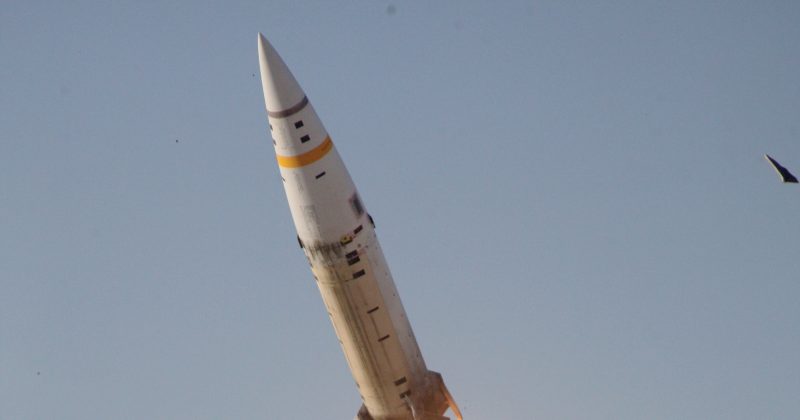
Maximum Escalation: Russia Launches Largest Ballistic Missile Wave Against Ukraine Since 2022
Analysts and predictive models are now closely monitoring the possibility of a direct NATO-Russia military clash, with a calculated 17.5% probability of such an event occurring by December 31, 2026. For the crypto sector, this surge in geopolitical volatility reinforces the role of Bitcoin as a hedge during times of systemic risk and uncertainty.
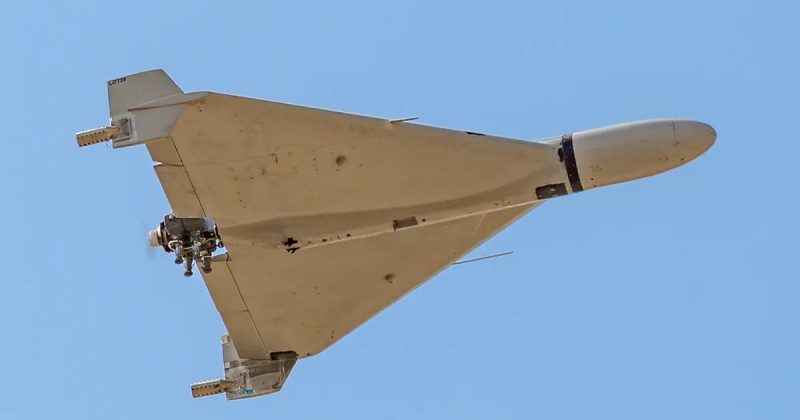
Iran’s Low-Cost Drones Pose Major Threat to US Military Systems Amid Rising Tensions
As tensions escalate, the potential for military action against Gulf states remains high, with recent data suggesting a 57% likelihood of conflict. The impact of these inexpensive yet effective drones could redefine regional stability and the future of aerial defense technology in high-conflict zones.

Russian Missile Strikes Hit Kyiv: Casualties Reported Amid Escalating Conflict
Beyond the immediate casualties, market sentiment analysis reveals a growing uncertainty regarding the territorial progression toward Sloviansk, with a 21% probability cited for a Russian entry by late 2026. Such prolonged instability continues to act as a macro catalyst, forcing investors to hedge against sudden geopolitical shocks.
