Massive Blow to Cartels: Brazilian Federal Police Freeze R$ 1 Billion in Drug Trafficking Raid

The Brazilian Federal Police (PF) launched 'Operation Commodity' to dismantle a high-stakes international drug trafficking network. This massive crackdown resulted in the freezing of R$ 1 billion in assets and the arrest of nine individuals linked to large-scale cocaine shipments destined for Europe.
Part of the broader Mission Redentor II, the operation targets the financial backbone of organized crime. By seizing billions in suspected illicit funds, authorities aim to disrupt the complex logistics and money laundering processes that sustain global drug trafficking routes.
The Brazilian Federal Police (PF) launched Operation Commodity on Thursday (23rd) to strike against an international drug trafficking scheme that has allegedly moved billions of reais. The investigation focuses on the massive exportation of cocaine to various European nations.
Developed within the framework of Mission Redentor II, the operation received support from the Integrated Force to Combat Organized Crime. The judicial order has frozen R$ 1 billion in assets, marking a significant victory in the fight against the financial structures of transnational criminal organizations.
This is a summarized and adapted version by Artificial Intelligence. To read the complete original story, visit the official source.
Read Full Article at LivecoinsSupport Jornal Bitcoin
Independent journalism, curated by AI, no clickbait. Keep the flame alive with any amount of BTC.
jonata@walletofsatoshi.comDaily Crypto Brief 📬
Subscribe to receive the curation of the most important Bitcoin and crypto news, summarized by AI. No spam.
Join more than 10,000 smart readers.
Related News

Onil Crisis Deepens: Assets Frozen as Withdrawal Complaints Skyrocket
The fallout follows previous warnings from the CVM, which had already flagged the group for regulatory concerns. As the OnilX platform struggles with liquidity issues and mounting user frustration, the situation highlights the critical importance of verifying the regulatory status of crypto-related service providers.

CLARITY Act: Senator Lummis Pushes for Faster Crypto Crime Interdiction
As the act moves toward a potential 2026 implementation, the focus remains on enhancing the ability of authorities to intercept criminal transactions effectively. By streamlining these processes, the legislation seeks to foster a more secure environment for digital assets while ensuring that crypto-related crimes face swift and decisive legal consequences.
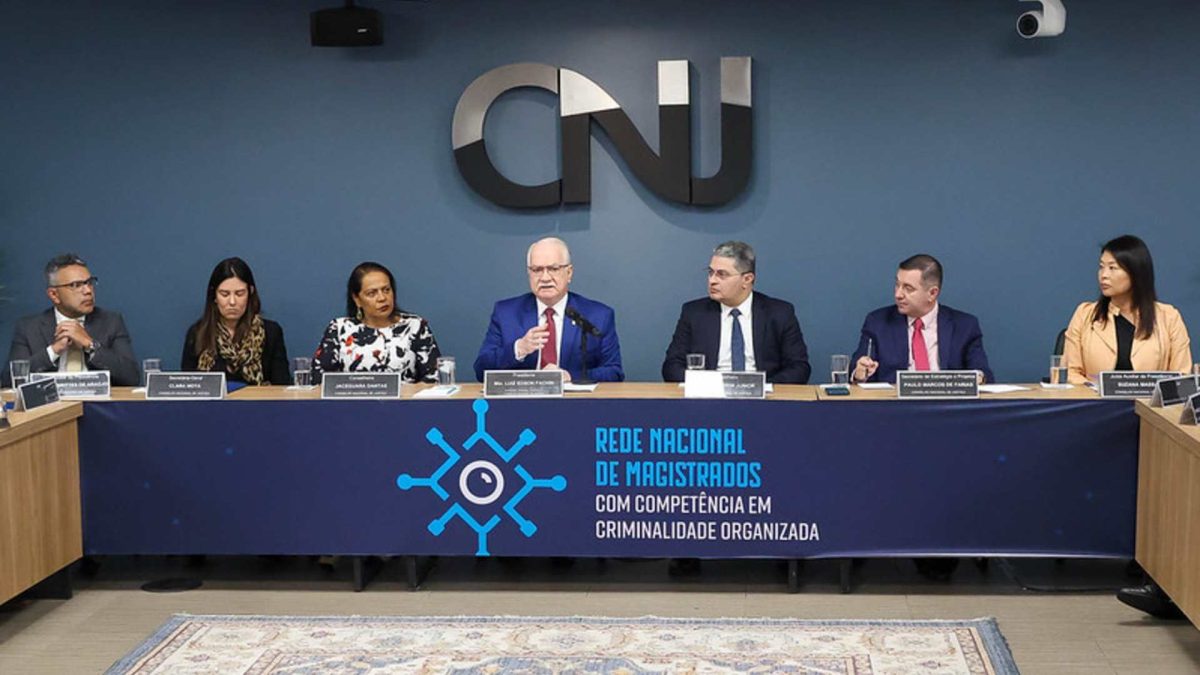
Crackdown Imminent: New CNJ Judicial Network to Deepen Cryptocurrency Tracking Against Organized Crime
This development signals a major escalation in the Brazilian judiciary's fight against sophisticated financial crimes. By focusing on the technical complexities of blockchain technology, the new network intends to close loopholes used for money laundering and to effectively intercept the flow of illicit funds moving through the crypto ecosystem.

Judicial Shift: TJSP Launches Specialized Courts to Tackle Crypto-Related Crimes
Crucially, this new framework demands that judges possess deep technical knowledge of cryptocurrencies and digital assets to effectively prosecute modern financial crimes. By integrating blockchain expertise into the judicial process, the court aims to dismantle the complex mechanisms used by criminal organizations to launder money through the crypto ecosystem.

Operation Reduto: Brazilian Authorities Freeze $1.6M in Crypto Linked to Corruption Scheme in Rondônia
The investigation uncovers a sophisticated network involving 'rachadinha' (salary splitting) among public officials, highlighting how cryptocurrencies are being leveraged for money laundering in regional corruption cases. Supported by the Rondônia Public Prosecutor's Office, the operation aims to dismantle the financial infrastructure of the criminal group and recover stolen public assets.
Operation Veil of Maya: Brazilian Police Smash Massive Crypto-Fueled Illegal Betting & Money Laundering Ring
The operation specifically targets the sophisticated use of cryptocurrency to mask the origins of gambling profits. As Brazil ramps up its regulatory oversight, this crackdown serves as a warning to bad actors attempting to exploit the intersection of digital assets and unregulated betting markets to bypass traditional financial monitoring.
