Oil Prices Slump as US-Iran Talks Signal Easing Geopolitical Tensions
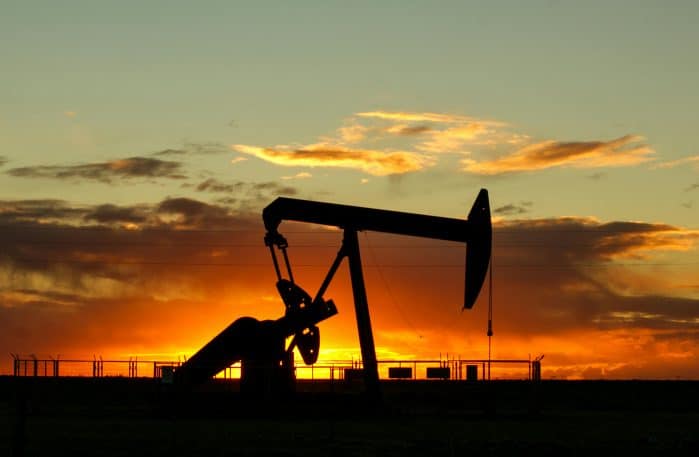
Oil prices are retreating as diplomatic signals from US-Iran talks suggest a potential de-escalation of regional conflicts. This shift is actively reducing geopolitical risks, providing much-needed stability to the volatile energy markets.
As tensions ease, the market is recalibrating its long-term outlook. The shift in market dynamics is expected to heavily influence future price expectations, potentially moving the global economy away from the uncertainty driven by Middle Eastern instability.
Oil prices have fallen as ongoing talks between the United States and Iran suggest a potential easing of long-standing tensions. This diplomatic movement is viewed as a key factor in stabilizing oil markets by mitigating the geopolitical risks that have historically driven price spikes.
Analysts suggest that eased tensions may fundamentally reshape market dynamics and future price expectations. A sustained reduction in conflict could lead to a more predictable environment for energy trading, impacting global supply chains and macroeconomic stability.
This is a summarized and adapted version by Artificial Intelligence. To read the complete original story, visit the official source.
Read Full Article at Crypto BriefingSupport Jornal Bitcoin
Independent journalism, curated by AI, no clickbait. Keep the flame alive with any amount of BTC.
jonata@walletofsatoshi.comDaily Crypto Brief 📬
Subscribe to receive the curation of the most important Bitcoin and crypto news, summarized by AI. No spam.
Join more than 10,000 smart readers.
Related News
Regulatory Limbo: US Senate Delays Crypto Clarity Act, Threatening Market Growth
As the bill's future remains uncertain, the lack of a clear legal framework poses a significant risk to long-term stability. Without these much-needed guidelines, the crypto ecosystem faces a period of stagnation, hindering the seamless integration of blockchain technology into mainstream finance.
Macquarie Warning: US-Iran Deal Could Trigger Global Oil Surplus Risk
A successful US-Iran deal could flood the market with supply, creating a surplus that disrupts current energy pricing models. As global markets react to these geopolitical tensions, the ripple effects could influence everything from inflation rates to long-term investment strategies in the energy and financial sectors.
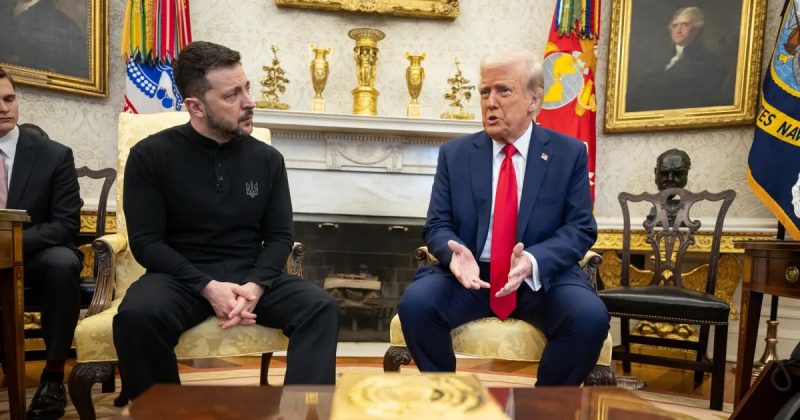
Missile Strike in Kharkiv Escalates Geopolitical Tensions Ahead of Zelenskyy-Trump Meeting
The surge in violence significantly dampens ceasefire optimism and underscores the heightened geopolitical tensions currently shaping international relations. As markets monitor these developments, the impact of this strike could redefine the trajectory of peace negotiations and global economic sentiment.
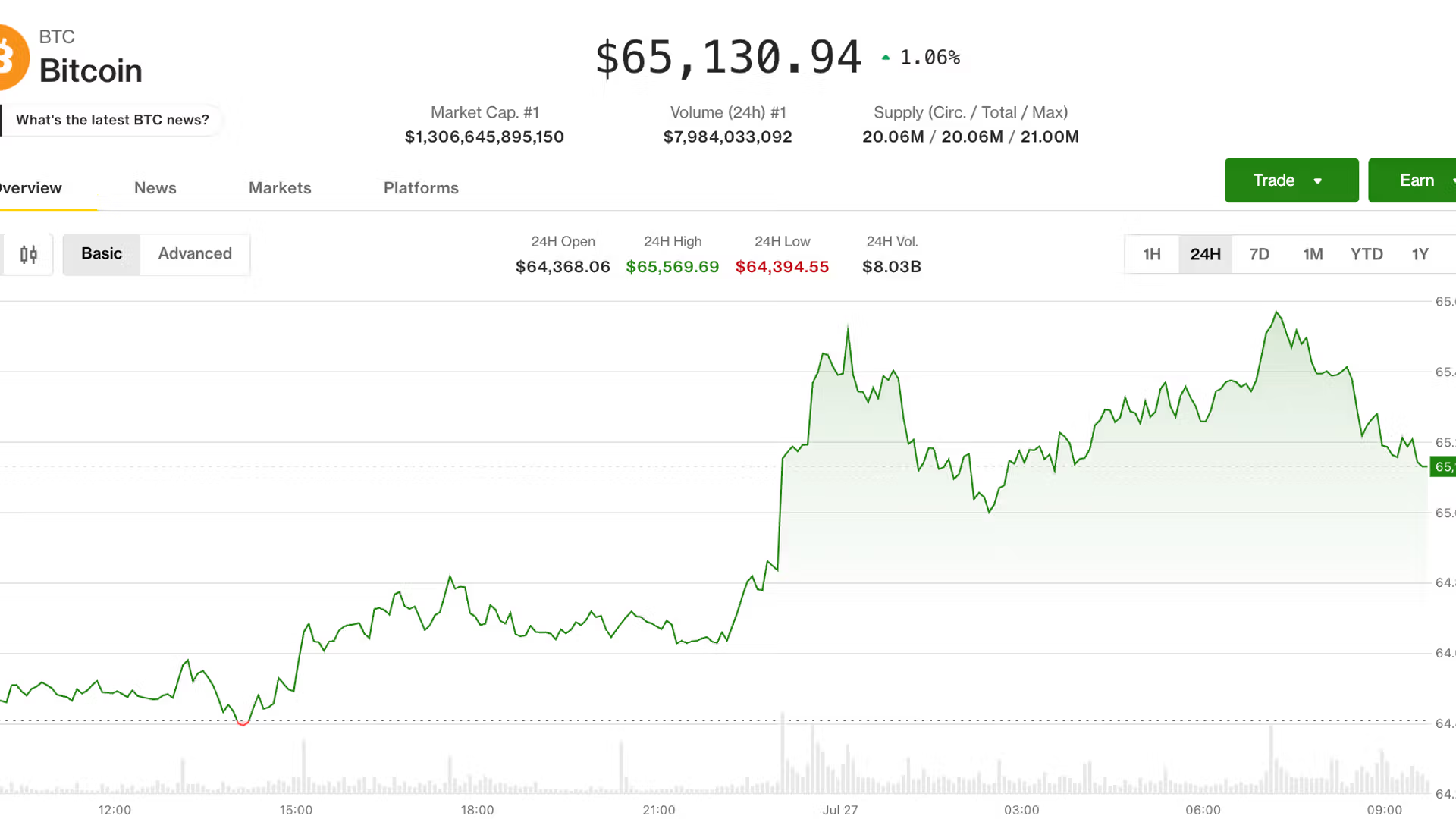
Geopolitical Relief: Iran-U.S. Pause Sends Oil Tumbling and Lifts Risk Assets
The sudden drop in oil prices has provided a tailwind for equities and DeFi tokens, shifting the focus from geopolitical conflict to macroeconomic policy. All eyes are now on the upcoming Federal Reserve decision this Wednesday, which remains the primary catalyst for market direction and liquidity.
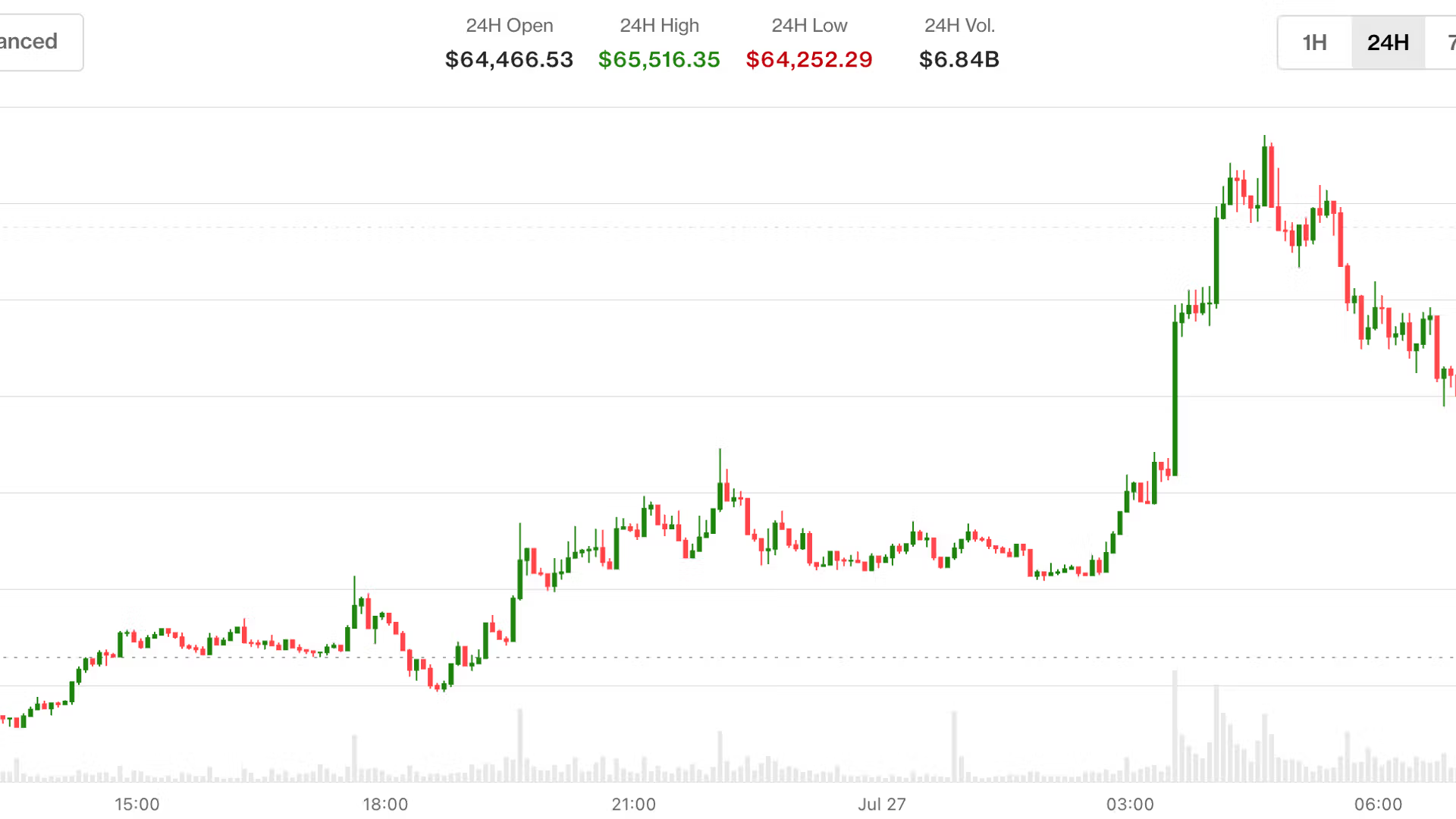
Bitcoin Surges Past $65,000 as Geopolitical Tensions Ease and Oil Prices Plunge
Interestingly, ETH is currently outperforming BTC, providing strong hints of a potential altcoin rally on the horizon. As macro volatility settles, the focus shifts from defensive positioning to identifying the next major movers in the crypto ecosystem.
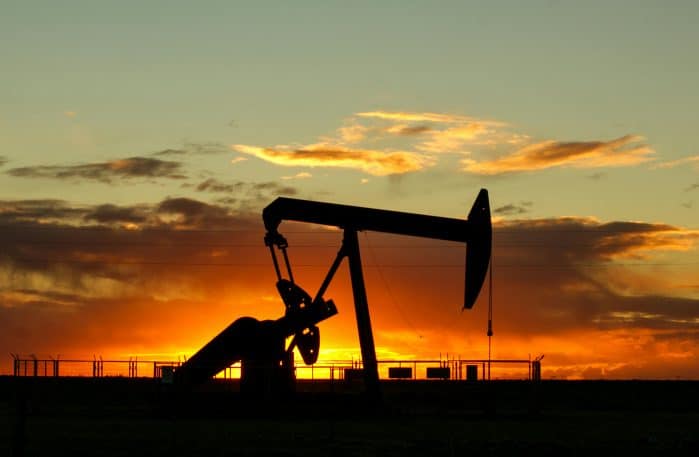
Oil Prices Plummet: US-Iran Ceasefire Eases Global Supply Fears
However, the long-term outlook remains cautious as geopolitical tensions continue to loom over the energy sector. While the immediate impact of the US-Iran ceasefire eases supply disruption concerns, any resurgence in conflict could rapidly destabilize future supply dynamics and trigger new price spikes.
