Oil Price Surge Empowers Iran to Defy US Negotiation Efforts
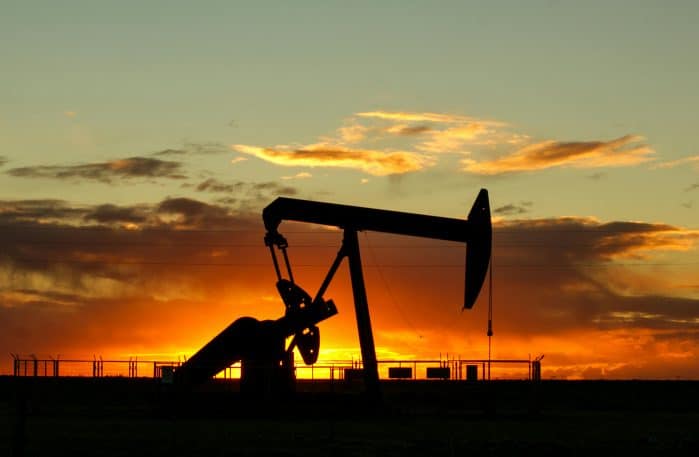
A massive surge in global oil prices is providing Iran with the economic leverage needed to resist intense US negotiation efforts. As crude oil markets rally, Tehran is leveraging increased revenues to bolster its geopolitical stance, effectively neutralizing much of the diplomatic pressure exerted by Washington.
Market analysts are bracing for extreme volatility, with projections suggesting crude oil could hit new all-time highs by December 31, potentially surging by 20.5%. This shift in energy economics not only strengthens Iran's hand in international relations but also signals a period of heightened instability for global markets and commodity-linked assets.
Iran is being significantly bolstered by the recent surge in oil prices, allowing the nation to resist ongoing US negotiation efforts. The influx of wealth from the energy sector is providing Tehran with a strategic buffer, enabling it to maintain a hardline stance despite international diplomatic pressure.
Financial forecasts indicate a bullish trend for the energy sector, with crude oil expected to reach new all-time highs by December 31, representing a potential increase of 20.5%. This economic windfall is reshaping the geopolitical landscape, as the rising cost of oil grants Iran unprecedented influence in a rapidly shifting global economy.
This is a summarized and adapted version by Artificial Intelligence. To read the complete original story, visit the official source.
Read Full Article at Crypto BriefingSupport Jornal Bitcoin
Independent journalism, curated by AI, no clickbait. Keep the flame alive with any amount of BTC.
jonata@walletofsatoshi.comDaily Crypto Brief 📬
Subscribe to receive the curation of the most important Bitcoin and crypto news, summarized by AI. No spam.
Join more than 10,000 smart readers.
Related News
Chaos in Iran: Explosions and Air Defense Across 14 Cities Fuel Global Tension
With full airspace closure looming by August 31, the logistical and economic consequences could be profound. As the conflict intensifies, the heightened risk profile is forcing a re-evaluation of global stability and the demand for safe-haven assets amidst the ongoing war.
Geopolitical Deadlock: Trump Frustrated as US-Iran Conflict Hits Five-Month Mark
Strategic discussions point toward a potential deal by 2026, which could involve a 28.5% allocation for Iran reconstruction funding. This development remains a critical factor for macro-economic stability and the broader movement of global capital in an increasingly fractured world.
Geopolitical Shockwave: Eight Muslim Nations Denounce Al-Aqsa Raid Amid Middle East Tension
As the diplomatic fallout continues, market sentiment remains divided on the path to peace. Current data shows a 74.5% consensus favoring a potential ceasefire between Israel and Iran through July 25, a critical metric that could dictate whether the market enters a period of relief or further volatility-driven liquidation.
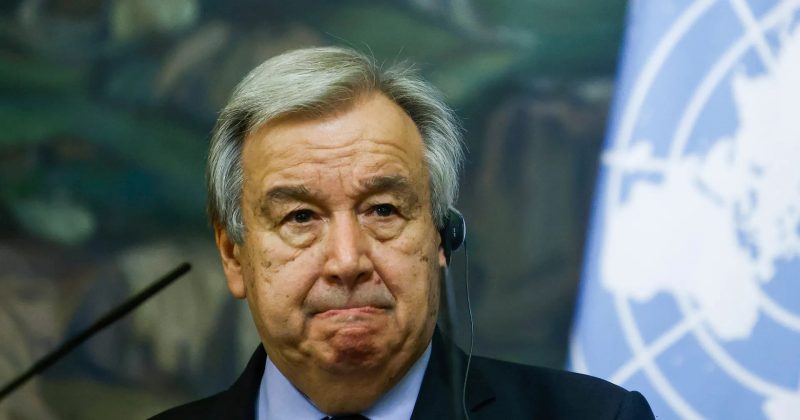
Geopolitical Flashpoint: Guterres Demands End to Gaza Suffering Amid Escalating US-Iran Military Strikes
Public sentiment heavily favors de-escalation, with a significant 74.5% majority supporting a ceasefire through July 25. As the standoff between the US and Iran continues to evolve, the pressure on global leaders to secure a ceasefire becomes increasingly paramount to prevent a wider regional conflict.
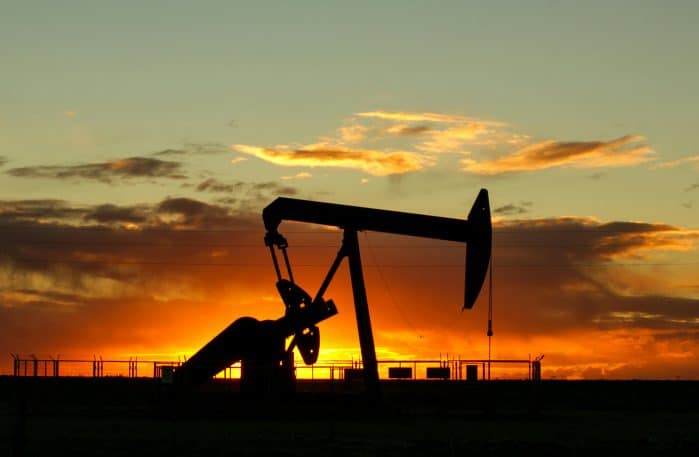
Middle East Tensions Ignite Oil Price Surge and Bond Yield Spikes
This energy crisis is being compounded by rising bond yields, as investors react to heightened systemic risk. As traditional markets face this dual pressure of energy costs and shifting yields, the ripple effects on global liquidity and risk-on assets like Bitcoin remain a critical focal point for macro traders.
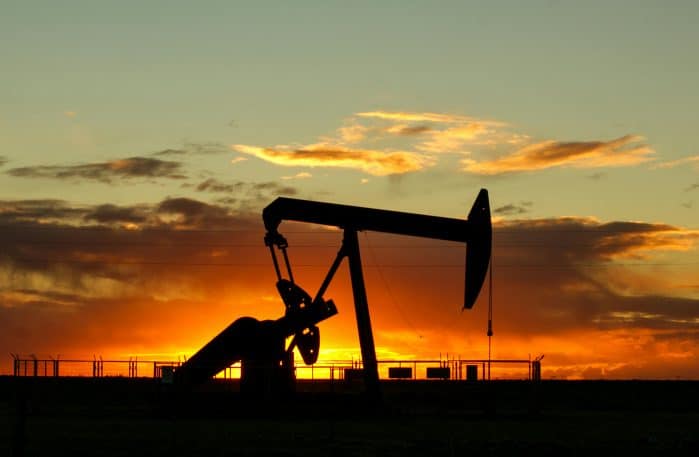
Brent Crude Hits $100: Trump Tariffs Trigger Trade Tensions and Record High Forecasts
Market sentiment is leaning heavily toward further upside, with a 20.5% probability priced in for a new all-time high by December. The combination of Trump's tariff policies and escalating trade friction is creating a high-stakes environment that could reshape liquidity flows across both traditional and crypto markets.
