Chaos in Iran: Explosions and Air Defense Across 14 Cities Fuel Global Tension
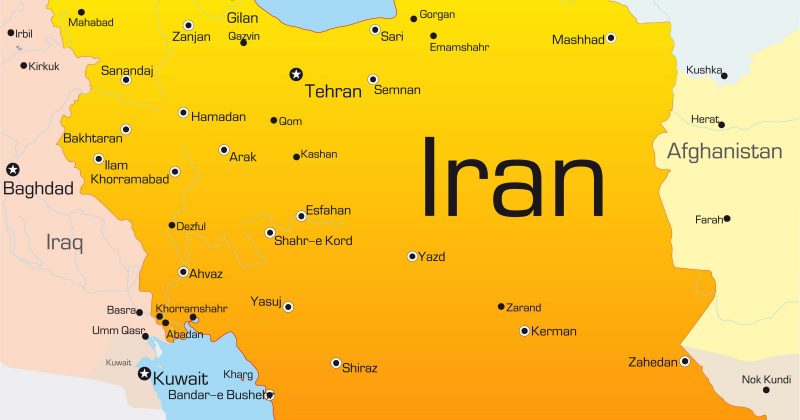
Urgent reports confirm a massive escalation in the Middle East, with explosions and heavy air defense activity reported across 14 Iranian cities. This surge in geopolitical instability is a major driver of market volatility, directly impacting investor sentiment and the broader crypto ecosystem.
With full airspace closure looming by August 31, the logistical and economic consequences could be profound. As the conflict intensifies, the heightened risk profile is forcing a re-evaluation of global stability and the demand for safe-haven assets amidst the ongoing war.
Explosions and air defense activity have been reported across 14 Iranian cities amid the ongoing war. The situation is escalating rapidly, with reports suggesting a full airspace closure by August 31. This heightened state of conflict continues to drive global uncertainty and market sensitivity.
This is a summarized and adapted version by Artificial Intelligence. To read the complete original story, visit the official source.
Read Full Article at Crypto BriefingSupport Jornal Bitcoin
Independent journalism, curated by AI, no clickbait. Keep the flame alive with any amount of BTC.
jonata@walletofsatoshi.comDaily Crypto Brief 📬
Subscribe to receive the curation of the most important Bitcoin and crypto news, summarized by AI. No spam.
Join more than 10,000 smart readers.
Related News
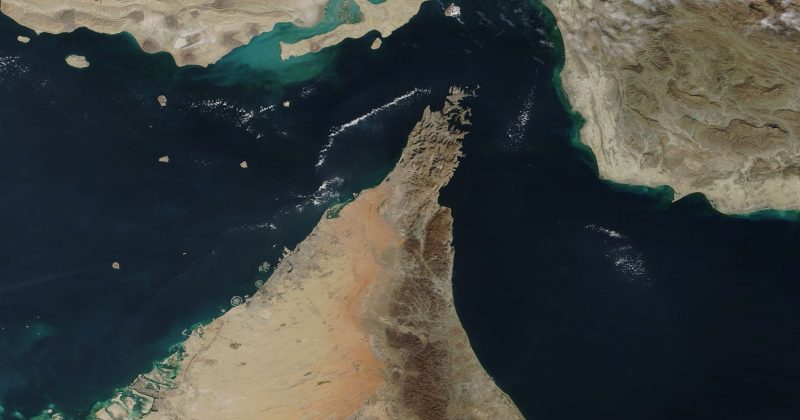
Geopolitical Alert: Hormuz Tanker Traffic Plummets to May Lows Amid US-Iran Friction
While current data suggests a potential normalization of traffic by September 30 at a rate of 21.5%, the underlying geopolitical risk remains a primary driver of market volatility. Investors should prepare for potential ripple effects across global commodities and high-risk asset classes as the situation evolves.
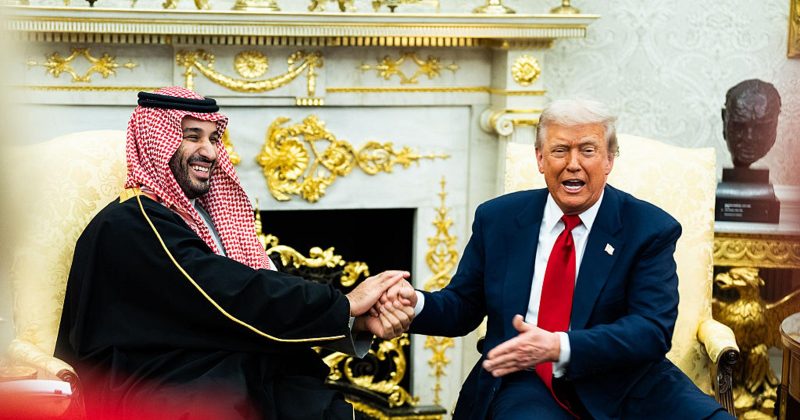
Geopolitical Shockwave: US Reverses Support for Saudi Nuclear Deal
Adding to the complexity, reports suggest that Iranian reconstruction funding could be a key component of a US-Iran deal by 2026, with specific financial frameworks currently under scrutiny. As these high-stakes negotiations evolve, the ripple effects are expected to influence global energy markets and broader macroeconomic stability.
Geopolitical Gambit: Trump Ties Saudi Nuclear Deal to Israel Normalization
The implications of this linkage extend far beyond diplomacy, potentially altering global market stability and geopolitical risk profiles. As the administration pushes for a new regional order, the intersection of Saudi nuclear ambitions and Israeli normalization could redefine international security frameworks and influence long-term economic trends in the energy sector.
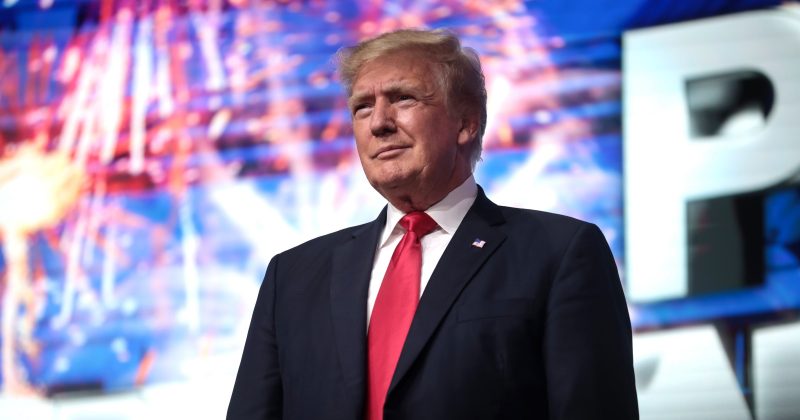
Geopolitical Deadlock: Trump Frustrated as US-Iran Conflict Hits Five-Month Mark
Strategic discussions point toward a potential deal by 2026, which could involve a 28.5% allocation for Iran reconstruction funding. This development remains a critical factor for macro-economic stability and the broader movement of global capital in an increasingly fractured world.
Geopolitical Shockwave: Eight Muslim Nations Denounce Al-Aqsa Raid Amid Middle East Tension
As the diplomatic fallout continues, market sentiment remains divided on the path to peace. Current data shows a 74.5% consensus favoring a potential ceasefire between Israel and Iran through July 25, a critical metric that could dictate whether the market enters a period of relief or further volatility-driven liquidation.
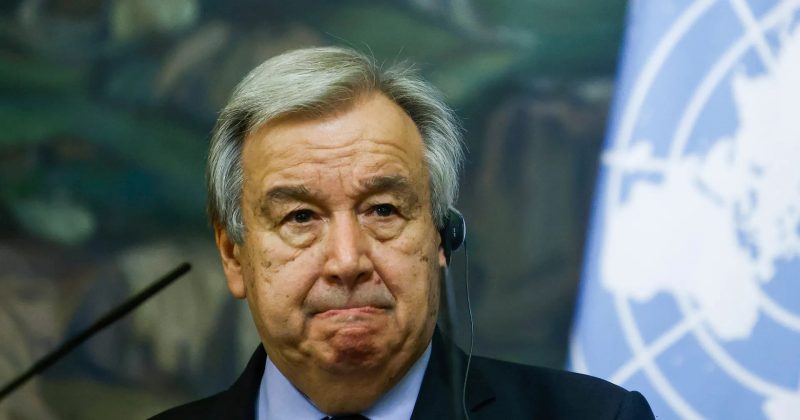
Geopolitical Flashpoint: Guterres Demands End to Gaza Suffering Amid Escalating US-Iran Military Strikes
Public sentiment heavily favors de-escalation, with a significant 74.5% majority supporting a ceasefire through July 25. As the standoff between the US and Iran continues to evolve, the pressure on global leaders to secure a ceasefire becomes increasingly paramount to prevent a wider regional conflict.
