Peru's 210,000 Barrel Oil Crisis Sparks Import Surge
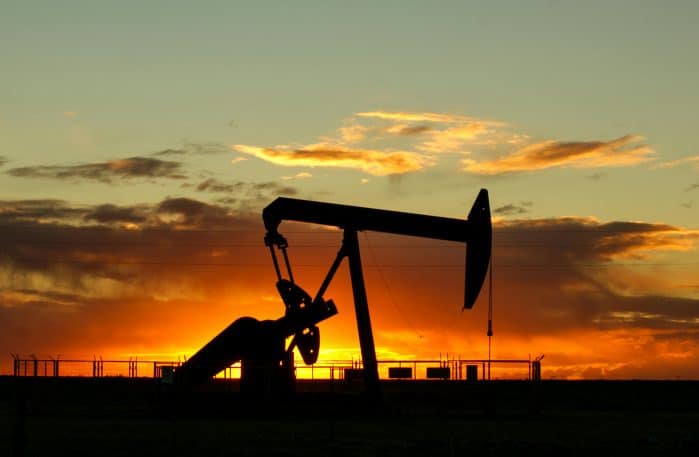
Peru confronts a critical 210,000-barrel oil deficit, dramatically increasing the nation's dependence on foreign imports and exposing its economy to global energy market volatility. This growing external dependence poses a significant risk to Peru's economic stability, potentially triggering oil price increases and negatively impacting the country's growth amidst geopolitical uncertainties and international oil price fluctuations.
This is a summarized and adapted version by Artificial Intelligence. To read the complete original story, visit the official source.
Read Full Article at Crypto BriefingSupport Jornal Bitcoin
Independent journalism, curated by AI, no clickbait. Keep the flame alive with any amount of BTC.
jonata@walletofsatoshi.comDaily Crypto Brief 📬
Subscribe to receive the curation of the most important Bitcoin and crypto news, summarized by AI. No spam.
Join more than 10,000 smart readers.
Related News
Moore Threads plans Hong Kong listing after 420% share surge on Shanghai debut
The Hong Kong listing will not only attract global investors interested in the semiconductor sector but will further strengthen China's chip industry. With the support of international financial markets, Moore Threads has the potential to accelerate innovation and reduce external dependency, solidifying China's position as a significant competitor in the global technology landscape.

Chip War Escalates: US Pours $250M into Robert Friedland’s I-Pulse via CHIPS Act
By targeting I-Pulse, the US aims to bolster semiconductor self-reliance and enhance supply chain security against geopolitical volatility. Furthermore, the initiative is set to address critical workforce shortages, ensuring the domestic industry has the human capital necessary to sustain long-term innovation.
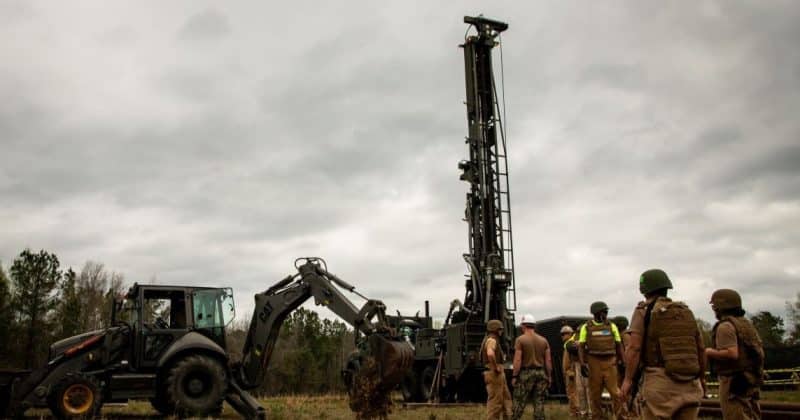
US Army opens military bases for critical minerals processing plants — the lithium-and-nickel race gets a boost
Beyond defense, the plan could spur major capital spending, support local economies, and improve domestic supply chain resilience for metals tied to batteries and industry. But it will require substantial investment and smooth execution—otherwise, the expected upside for critical minerals and supply chain stability may lag.
