Gold Retreats: How Middle East Tensions and High Interest Rates are Pressuring the Metal

The commodities market is witnessing a sudden shift as gold prices retreat amid escalating tensions between the US and Iran. This intel brief highlights how rising oil prices and bets on sustained high interest rates are draining demand for the precious metal, creating a complex landscape for risk management.
Macroeconomic dynamics suggest that despite geopolitical instability, the strength of the dollar and hawkish interest rate expectations are the primary drivers behind the gold slump. Analyzing the interplay between oil volatility, monetary policy, and gold is crucial for anyone navigating the current global financial shifts.
The precious metals market has seen a notable downturn, with gold retreating as geopolitical tensions intensify in the Middle East. The escalating conflict between the US and Iran has driven up oil prices, which, paradoxically, has reinforced bets on high interest rates, ultimately putting downward pressure on gold.
Analysts suggest that the current uncertainty is being shaped by expectations of a tighter monetary policy. While oil rises as a geopolitical hedge, gold faces pressure from the opportunity cost associated with high interest rates. Investors are closely watching Middle East developments to determine if the metal will regain its status as a primary safe-haven asset.
This is a summarized and adapted version by Artificial Intelligence. To read the complete original story, visit the official source.
Read Full Article at BlockTrendsSupport Jornal Bitcoin
Independent journalism, curated by AI, no clickbait. Keep the flame alive with any amount of BTC.
jonata@walletofsatoshi.comDaily Crypto Brief 📬
Subscribe to receive the curation of the most important Bitcoin and crypto news, summarized by AI. No spam.
Join more than 10,000 smart readers.
Related News

Kyiv Under Fire: Massive Russian Strike Hits Amid 18% Odds of Putin's Exit by 2027
Amidst the physical destruction, the Polymarket prediction market has introduced a significant political variable, placing the probability of Vladimir Putin exiting power by 2027 at 18%. As NATO leaders prepare for high-level summits, the intersection of military aggression and political speculation creates a volatile global landscape.

Fuel Crisis Escalates: Kazakhstan Limits Russian Drivers' Border Access
Beyond local supply issues, these restrictions are poised to influence global oil markets and could trigger significant shifts in future crude prices. As geopolitical instability rises, the ripple effects of this border policy may reshape energy trading patterns and market expectations.
Geopolitical Flashpoint: Trump Threatens Iran Strikes as Tehran Vows Retaliation
As the window for diplomatic solutions narrows, the threat of direct military engagement looms large over international alliances. The potential for a broader conflict could disrupt energy supplies and global trade routes, forcing a rapid reassessment of risk management strategies in both traditional finance and the cryptocurrency sectors.

Bitcoin Drops to $62K: Geopolitical Tensions and Fed Uncertainty Cloud BTC Rally
The volatility extends beyond the crypto space, fueled by a sharp selloff in semiconductor and AI stocks following news from Samsung. As traders digest the latest Fed minutes to gauge the timing of potential rate cuts, the Bitcoin price remains highly sensitive to these macroeconomic shifts and the rising cost of oil.
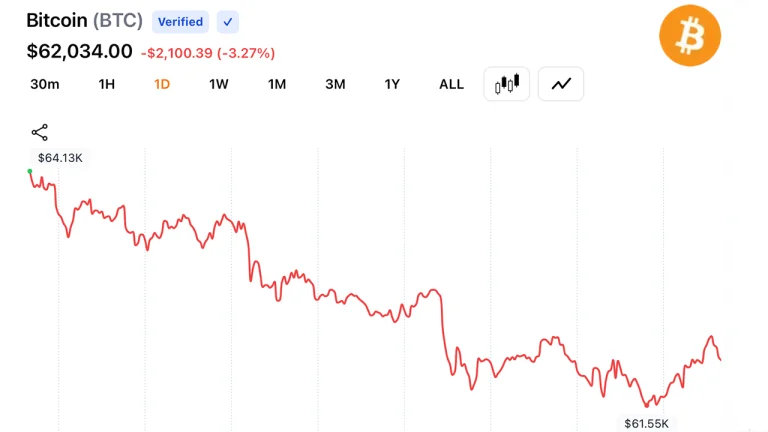
Middle East Escalation Triggers Crypto Bloodbath: Bulls Lose $310M as Bitcoin Slumps
As military exchanges threaten to unravel the fragile Middle East ceasefire, market participants are pivoting from bullish sentiment to defensive positioning. The sudden volatility highlights how geopolitical instability continues to act as a primary driver for Bitcoin price fluctuations and sudden market liquidations.

Iran Conflict Triggers Market Turmoil: US Global Jets ETF Plummets 4%
This downturn is fueled by growing concerns regarding flight safety and the potential for surging operational costs. As geopolitical instability persists, the broader economic stability remains at risk, with market analysts closely watching the impact on global logistics and airline profitability.
