Iran Conflict Triggers Market Turmoil: US Global Jets ETF Plummets 4%

Heightened geopolitical tensions in the Middle East are driving significant market volatility, specifically targeting the aviation sector. The US Global Jets ETF saw a sharp 4% decline as investors reacted to the escalating Iran conflict and the resulting uncertainty.
This downturn is fueled by growing concerns regarding flight safety and the potential for surging operational costs. As geopolitical instability persists, the broader economic stability remains at risk, with market analysts closely watching the impact on global logistics and airline profitability.
This is a summarized and adapted version by Artificial Intelligence. To read the complete original story, visit the official source.
Read Full Article at Crypto BriefingSupport Jornal Bitcoin
Independent journalism, curated by AI, no clickbait. Keep the flame alive with any amount of BTC.
jonata@walletofsatoshi.comDaily Crypto Brief 📬
Subscribe to receive the curation of the most important Bitcoin and crypto news, summarized by AI. No spam.
Join more than 10,000 smart readers.
Related News
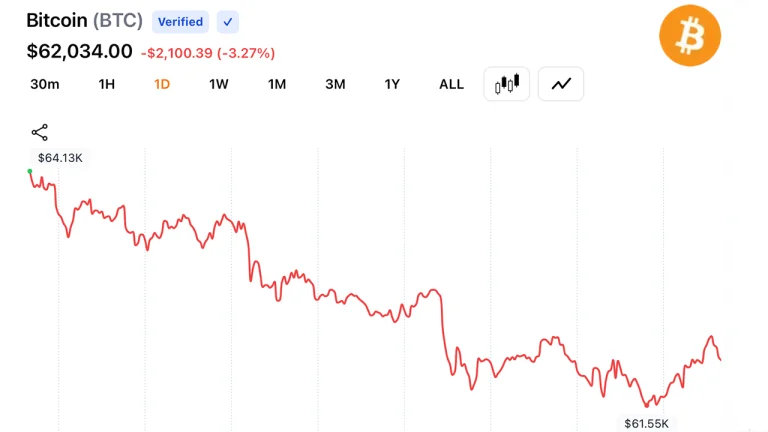
Middle East Escalation Triggers Crypto Bloodbath: Bulls Lose $310M as Bitcoin Slumps
As military exchanges threaten to unravel the fragile Middle East ceasefire, market participants are pivoting from bullish sentiment to defensive positioning. The sudden volatility highlights how geopolitical instability continues to act as a primary driver for Bitcoin price fluctuations and sudden market liquidations.
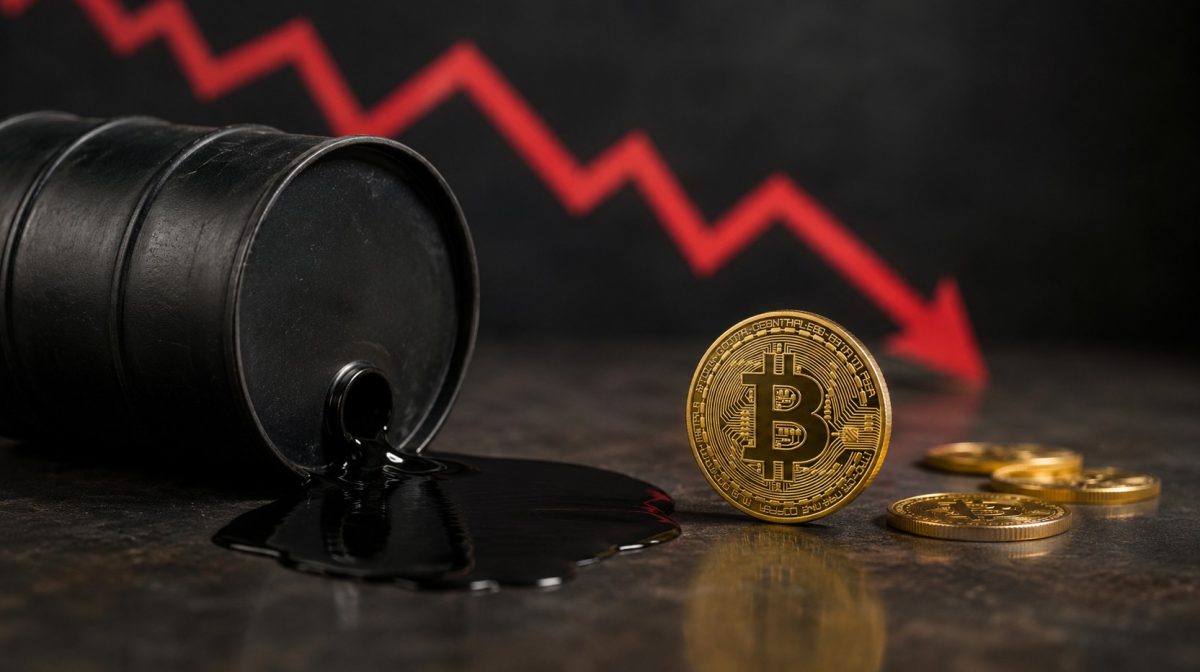
Geopolitical Shock: Trump Ends Iran Deal, Triggering Bitcoin Sell-off
This sudden spike in geopolitical tension is driving market volatility, as investors react to the threat of renewed conflict in the Middle East. The downward pressure on Bitcoin highlights how sensitive the crypto market remains to macro-political shifts, as traders weigh the risks of escalation against the long-term hedge properties of digital assets.

Fire Erupts Near Iranian Army Base Following US Strikes: Global Market Alert
The escalating US-Iran tensions are poised to trigger significant geopolitical shifts that could reshape international relations. As the situation unfolds, the potential for market volatility remains high, making it a critical moment for those tracking geopolitical risk and its ripple effects on global finance.

The Blockchain Illusion: Why Ad-Tech is Fixing Transparency Without Tokens
By focusing on structured inventory, direct access, and a cleaner supply chain, the industry is achieving the decentralization benefits of blockchain without the overhead of a native token. This shift suggests that the core problems of the advertising ecosystem are being solved by better data architecture and direct connectivity, bypassing the need for complex crypto-economic models.
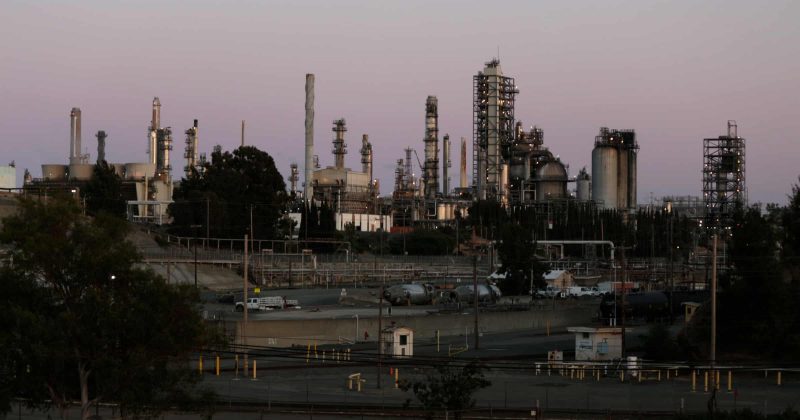
Oil Surge: Brent Nears $80 as US-Iran Tensions Reach Boiling Point
Beyond the immediate price action, the prolonged volatility in the oil market poses a significant threat to global economic stability. As energy security strategies are re-evaluated, the ripple effects of these tensions could reshape international trade dynamics and inflationary pressures for the foreseeable future.

Bitcoin Slides: Iran Ceasefire Collapse and Hormuz Blockade Threats Send Oil Soaring
Threats of a blockade in the Strait of Hormuz have pushed oil prices toward $75 per barrel, creating a high-risk environment for digital assets. As geopolitical tensions escalate, Bitcoin remains under pressure below $62,000, reflecting a flight to safety or liquidity shifts in response to the Middle East crisis.
