AI Power Move: OpenAI Proposes Donating 5% of Shares to U.S. Government

In a move that could redefine the relationship between Big Tech and the state, OpenAI CEO Sam Altman has proposed donating 5% of the company's equity to a proposed American sovereign wealth fund. This strategic maneuver aims to integrate artificial intelligence development directly into the fabric of U.S. national interest and economic security.
While the proposal has garnered unexpected support from Donald Trump, it faces a steep uphill battle within Congress. The implications of such a deal are massive, potentially setting a new global standard for how AI companies interact with national governments and regulatory frameworks.
OpenAI CEO Sam Altman has proposed that AI companies donate equity stakes to an American sovereign wealth fund, with a specific suggestion for OpenAI to transfer 5% of its shares to the U.S. government. According to BlockTrends, while the proposal has found an ally in Donald Trump, it faces significant legislative hurdles and intense scrutiny within Congress as lawmakers weigh the impact on market competition and national oversight.
This is a summarized and adapted version by Artificial Intelligence. To read the complete original story, visit the official source.
Read Full Article at BlockTrendsSupport Jornal Bitcoin
Independent journalism, curated by AI, no clickbait. Keep the flame alive with any amount of BTC.
jonata@walletofsatoshi.comDaily Crypto Brief 📬
Subscribe to receive the curation of the most important Bitcoin and crypto news, summarized by AI. No spam.
Join more than 10,000 smart readers.
Related News

Bitcoin Fork Alert: Two Major Network Shifts Scheduled for August
Driven by Drivechain architect Paul Sztorc, the eCash hard fork represents a significant structural change, contrasting with the more subtle protocol adjustments of the BIP-110 soft fork. These developments are critical milestones that will test Bitcoin's scalability and the consensus of its global community.
NVIDIA and Hugging Face Join Forces to Supercharge Open-Source Robotics
By merging NVIDIA's cutting-edge hardware-software synergy with Hugging Face's open-source ecosystem, this partnership sets a new standard for the industry. The integration of GR00T N1.7 into LeRobot ensures that the next generation of robotic intelligence is built on a foundation of accessibility, scalability, and rapid innovation.

Australia's AI Safety Institute Targets 'Deceptive' Frontier Models in Major Regulatory Push
These testing protocols are expected to shape global AI regulations, setting a precedent for international compliance standards. Furthermore, the outcome of these evaluations will significantly impact AI-crypto integration, as developers navigate the intersection of decentralized finance and regulated intelligent systems.

The Cubarsí Effect: How Football Dominance is Quietly Fueling Crypto Fan Token Interest
This trend underscores the growing intersection of sports and crypto, where athletic performance directly drives blockchain engagement. As star players capture global attention, the demand for fan tokens and decentralized sports ecosystems continues to climb, merging traditional fandom with the future of finance.
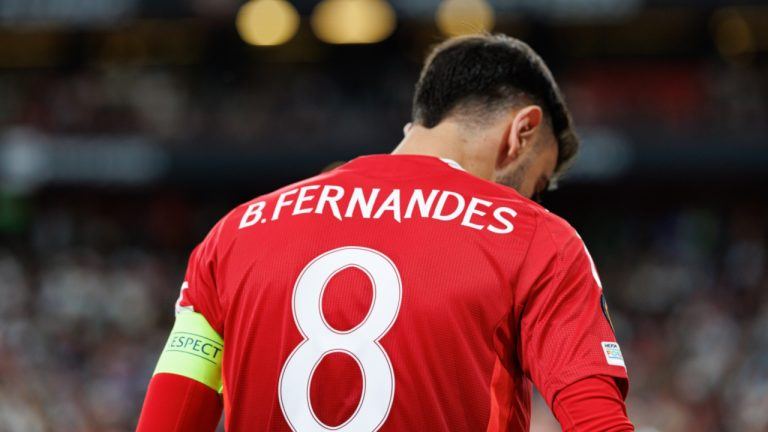
AI Deepfake Scam: Bruno Fernandes Identity Hijacked by Unlicensed Casinos
This exploit underscores the growing danger of AI-driven identity theft in the gambling industry. By operating through anonymous offshore brands like QH88 and Nightwin, these illegal operators exploit jurisdictional loopholes, making enforcement nearly impossible while exploiting the massive reach of global football icons.

The Decentralization Tug-of-War: Injective CEO Warns L1s Face Scalability Trade-offs
As mass adoption accelerates, the demand for higher throughput and increased block space creates a direct conflict with fundamental blockchain principles. The industry's next major hurdle will be implementing scaling opportunities that enhance efficiency without sacrificing the decentralization that defines the ecosystem.
