The Decentralization Tug-of-War: Injective CEO Warns L1s Face Scalability Trade-offs

The blockchain infrastructure sector is hitting a critical crossroads. Injective CEO Eric Chen warns that Layer-1 networks are entering a 'tug-of-war' regarding decentralization, as the relentless drive for speed and scalability threatens to undermine the core security and distributed nature of the technology.
As mass adoption accelerates, the demand for higher throughput and increased block space creates a direct conflict with fundamental blockchain principles. The industry's next major hurdle will be implementing scaling opportunities that enhance efficiency without sacrificing the decentralization that defines the ecosystem.
Blockchains will face increasing pressure to compromise on decentralization to meet user demand for speed and scalability, Injective CEO Eric Chen said. As the adoption of blockchain technology grows, Layer-1 networks will find themselves caught in a struggle to balance performance with the core tenets of the industry.
This pressure stems from the necessity to satisfy user requirements for faster transaction speeds and more block space for higher throughput. Speaking on Cointelegraph’s Chain Reaction podcast, Chen noted that the ultimate goal must be finding scaling opportunities without compromising the fundamental pillars that define what a blockchain truly is.
This is a summarized and adapted version by Artificial Intelligence. To read the complete original story, visit the official source.
Read Full Article at CoinTelegraphSupport Jornal Bitcoin
Independent journalism, curated by AI, no clickbait. Keep the flame alive with any amount of BTC.
jonata@walletofsatoshi.comDaily Crypto Brief 📬
Subscribe to receive the curation of the most important Bitcoin and crypto news, summarized by AI. No spam.
Join more than 10,000 smart readers.
Related News
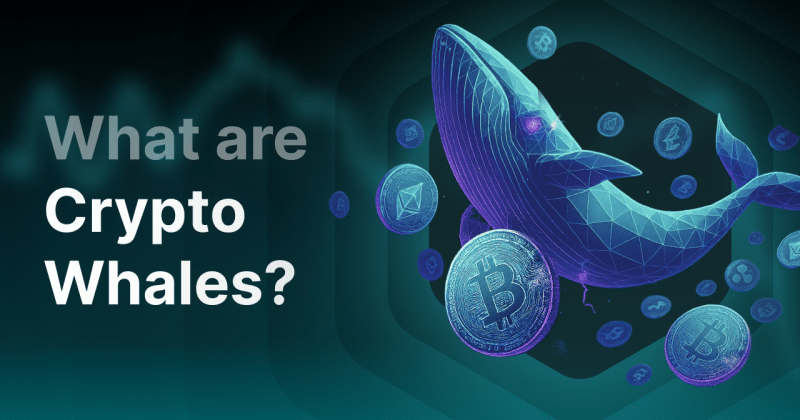
Whale Alert: Massive Surge in Lighter and Mantle Network Activity Amid Altcoin Volatility
As altcoin volatility continues to rise, this whale activity serves as a critical indicator for market dynamics. The consequences of these large-scale transactions could reshape liquidity flows and dictate the next major trends within the broader altcoin market, creating high-stakes opportunities for traders.

Bitcoin Retreats from $64,000 Highs Amid Geopolitical Tensions and Whale Activity
Global instability is mounting as a missile strike on a Qatari gas ship in the Strait of Hormuz has spiked oil prices and threatened recent peace efforts. This geopolitical friction, combined with a sell-off in Asian tech stocks, is creating a high-risk environment that could dampen the current Bitcoin rally.

Yen Collapse: Hedge Funds Go Bearish as Currency Hits 40-Year Low, Fueling Carry Trade Risks
This currency decline poses a significant threat of cross-asset volatility that could ripple through global markets. For the crypto sector, the primary concern is leverage sensitivity; a sudden unwinding of these trades could trigger massive liquidations across highly leveraged digital asset positions.
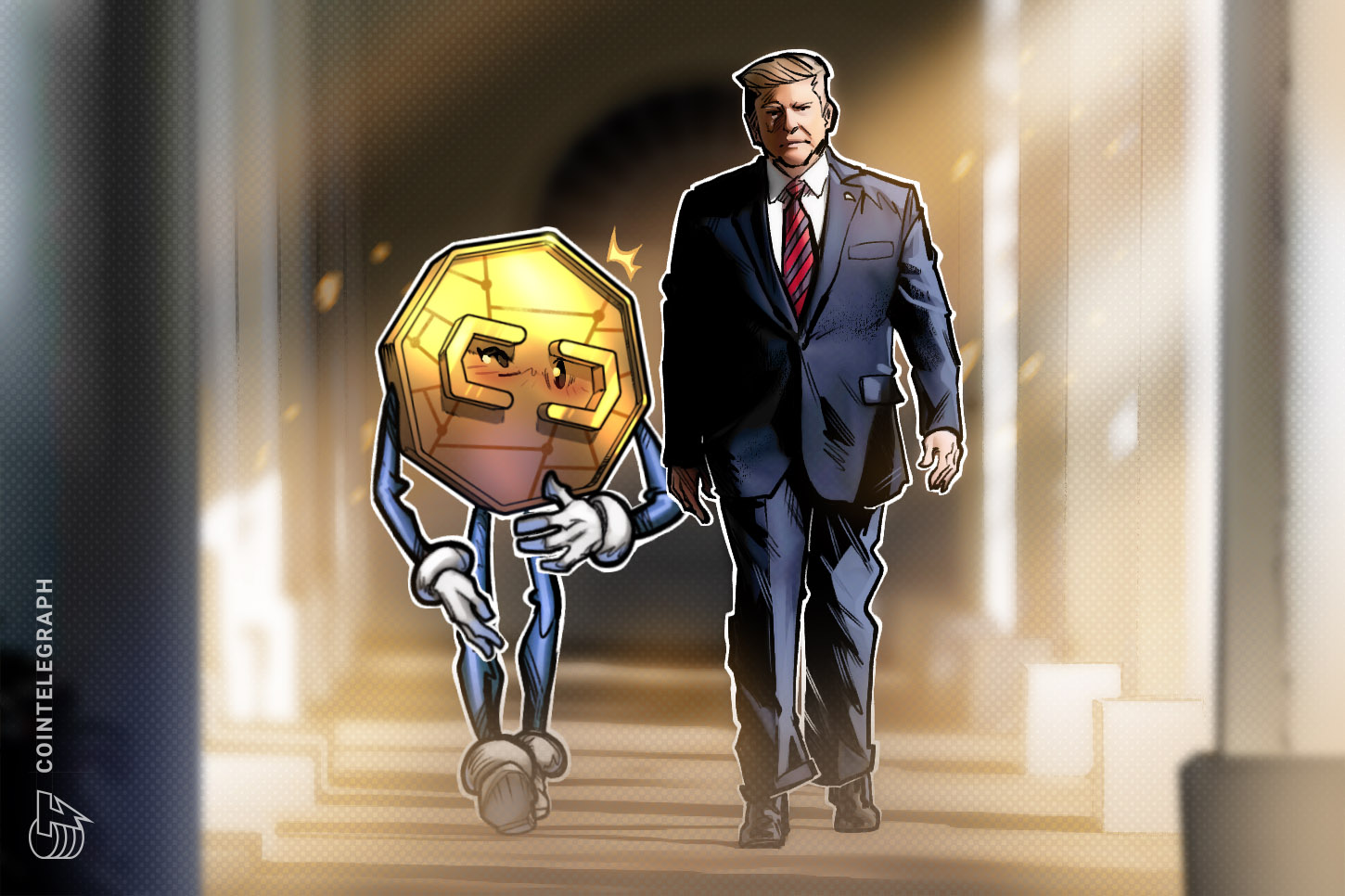
Trump's Crypto Pivot: 'If we don't have it, China will', says former President
This strategic shift underscores the growing influence of the crypto industry on US domestic and foreign policy. By framing Bitcoin adoption as a race against global competitors, Trump is positioning the crypto market not just as a financial tool, but as a critical frontier for maintaining American technological and economic supremacy.

Bitcoin Defies FUD: BTC Hits 2-Week High, Signaling Major Structural Stabilization
The move points toward early signs of structural stabilization within the crypto market. By overcoming recent downward pressure, Bitcoin is positioning itself to transition from a period of volatility into a more sustainable upward trend, potentially shifting broader market sentiment.

Kraken's Expansion Hits New Milestone: Payward Europe Secures EMI License in Lithuania
By integrating this new regulated route, Kraken is poised to enhance its fiat-to-crypto on-ramps and off-ramps, ensuring higher compliance standards and smoother transactions. This expansion is a critical step in bridging the gap between traditional banking rails and the digital asset economy for both retail and institutional users in Europe.
