Oil Prices Surge as Iran-Oman Hormuz Deal Rocks Global Markets
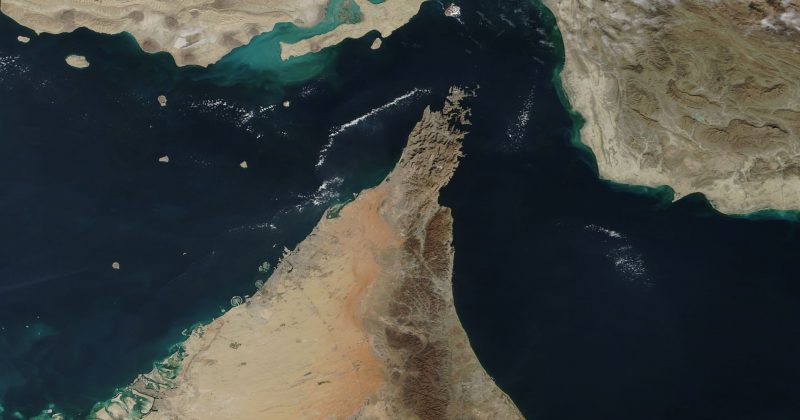
Global oil prices have surged following reports of a potential Iran-Oman agreement concerning the strategically vital Strait of Hormuz, exposing the extreme sensitivity of energy markets to geopolitical shifts. The news sent shockwaves through financial markets, with energy stocks and cryptocurrencies showing divergent reactions as investors reassess risk factors. The Strait of Hormuz, a critical chokepoint for oil transportation, handles approximately one-third of the world's seaborne oil. Any agreement affecting security in this maritime corridor has profound implications for global oil price stability and inflation, directly impacting emerging economies and the cryptocurrency market as a refuge asset during times of geopolitical uncertainty.
This is a summarized and adapted version by Artificial Intelligence. To read the complete original story, visit the official source.
Read Full Article at Crypto BriefingSupport Jornal Bitcoin
Independent journalism, curated by AI, no clickbait. Keep the flame alive with any amount of BTC.
jonata@walletofsatoshi.comDaily Crypto Brief 📬
Subscribe to receive the curation of the most important Bitcoin and crypto news, summarized by AI. No spam.
Join more than 10,000 smart readers.
Related News
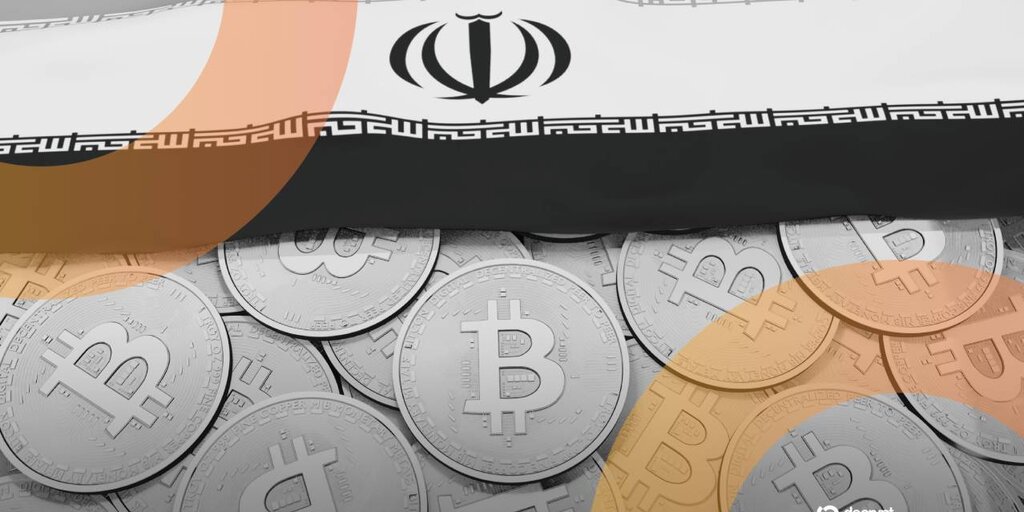
U.S. Treasury Sanctions Crypto Exchanges for Laundering Money to Iran
The Treasury's action represents an escalation in pressure on the cryptocurrency sector, which has increasingly been used to circumvent international sanctions. The sanctions freeze assets in the U.S. and prohibit American citizens from doing business with the exchanges, sending a clear message to the global crypto market about the consequences of facilitating financial transactions for sanctioned entities.
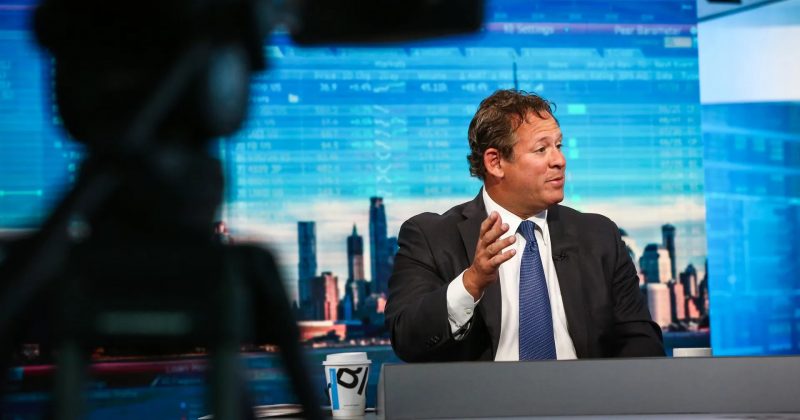
BlackRock's Warning: Productivity Revolution Could Slash Jobs
The productivity revolution, powered by artificial intelligence and automation, is creating a paradigm where fewer workers can generate greater output, directly impacting the cryptocurrency and digital asset markets. Investors and economists are closely watching how this structural change could influence Federal Reserve monetary policy and market cycles, potentially creating new opportunities for decentralized financial innovation.
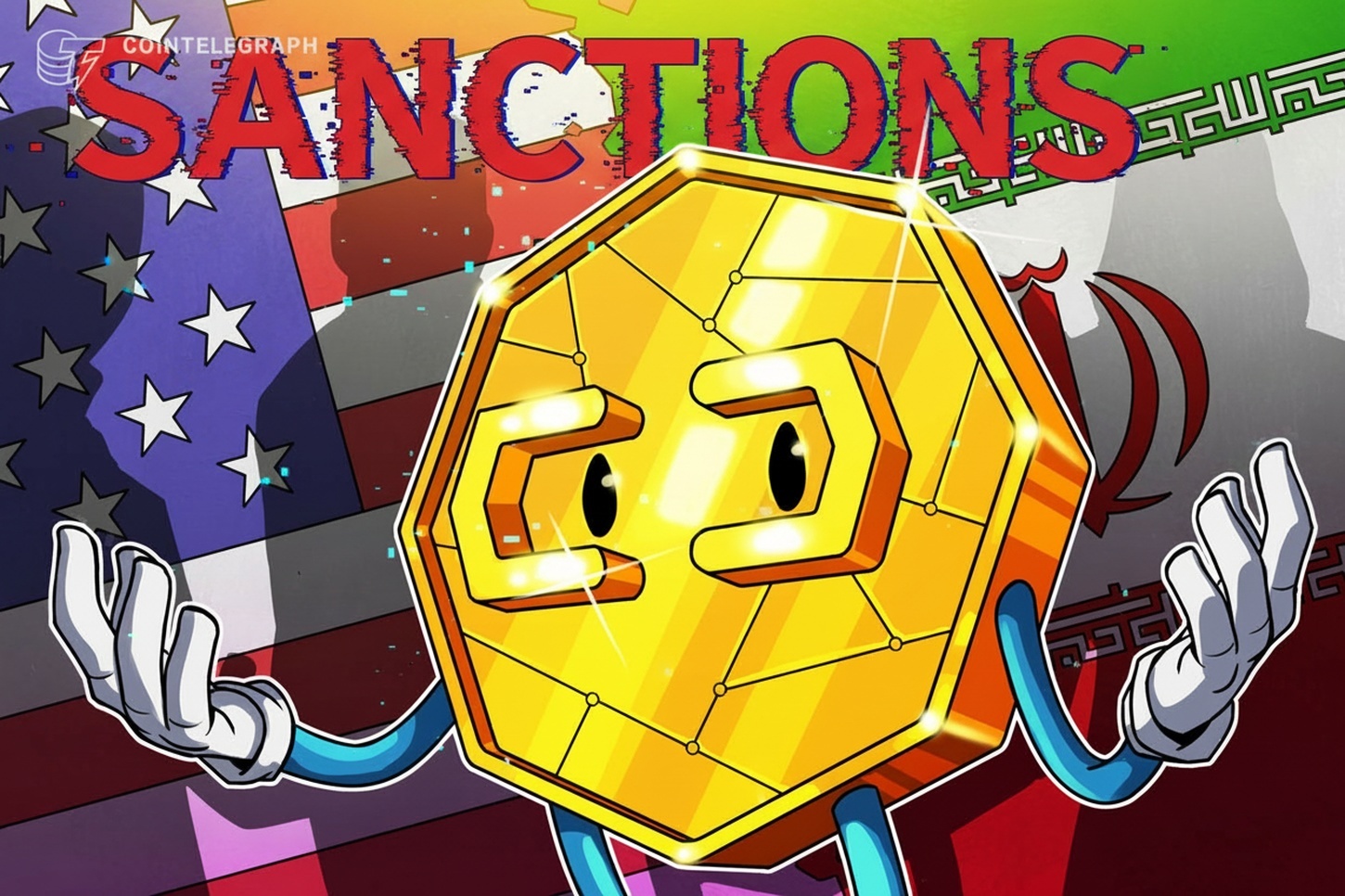
US Treasury Sanctions 2 Iran-Linked Crypto Exchanges
This action represents a new front in the US economic pressure on Iran, extending traditional financial sanctions to the cryptocurrency sector. Treasury Secretary Scott Bessent emphasized that 'whether in dollars, rials, or crypto, Treasury will hunt down and dismantle the illicit financial networks that keep the regime afloat.' This move could have significant implications for the global crypto ecosystem, particularly for exchanges operating in regions under international sanctions.

Circle's Agent Stack Could Make USDC the Default Currency for AI Agents
The development represents a crucial bridge between the world of artificial intelligence and the cryptocurrency ecosystem, positioning USDC as the preferred currency for automated transactions. With the exponential growth of AI, the ability of autonomous agents to conduct financial transactions without human intervention could accelerate the mass adoption of stablecoins and blockchain, creating a new paradigm for the digital economy where the boundaries between humans and machines become increasingly blurred.

Judge Halts US Move to Add Chinese Biotech Giant WuXi AppTec to Military Ties List
US-Iran Standoff: Conditional Actions Threaten Global Market Stability Amid Blockade Talks
The prolonged uncertainty in diplomatic relations between the US and Iran directly impacts global financial markets, including the cryptocurrency sector where investors seek safe-haven assets. The delicate geopolitical situation demands constant vigilance from traders and analysts, as any developments in the negotiations could trigger significant movements in international markets.
