The DeFi Institutional Wall: The Battle for RWA Pricing Authority

The next major hurdle for institutional DeFi adoption isn't technical—it's about trust and data integrity. As industry titans like JPMorgan and BlackRock participate in DTCC's tokenization trials for stocks and Treasuries, the industry faces a massive question: who will be the trusted authority to price real-world assets (RWA) on-chain?
For these tokenized assets to function as viable collateral in lending markets, the ecosystem must solve the 'oracle problem' for institutional scale. Without reliable pricing mechanisms that remain active even when traditional venues go quiet, the integration of RWA into DeFi remains a high-risk endeavor.
DeFi’s next institutional hurdle is deciding who can be trusted to price real-world assets (RWA). The DTCC is currently running a massive tokenization trial involving roughly 40 firms, including JPMorgan, Goldman Sachs, BlackRock, Vanguard, and the NYSE, to represent shares and Treasuries on-chain.
However, these tokens only become usable collateral when a lending market can answer two critical questions: who prices them, and what happens once the venues behind that price go quiet? The transition to institutional DeFi requires more than just moving assets on-chain; it requires a resilient pricing infrastructure that can withstand data gaps and ensure continuous market stability.
This is a summarized and adapted version by Artificial Intelligence. To read the complete original story, visit the official source.
Read Full Article at CryptoSlateSupport Jornal Bitcoin
Independent journalism, curated by AI, no clickbait. Keep the flame alive with any amount of BTC.
jonata@walletofsatoshi.comDaily Crypto Brief 📬
Subscribe to receive the curation of the most important Bitcoin and crypto news, summarized by AI. No spam.
Join more than 10,000 smart readers.
Related News
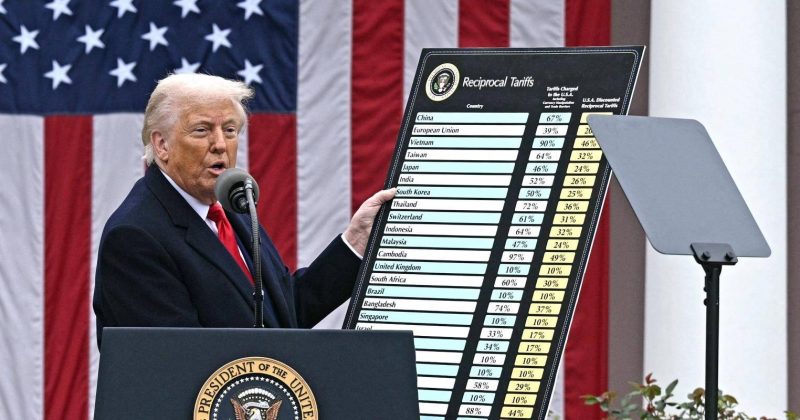
Trump's Tariff Shakeup: Europe Wins Big While Brazil Faces Massive Hits
This emerging two-tier trade system is expected to reshape international capital flows and impact emerging market stability. As these protectionist measures take hold, the resulting market volatility could create unique opportunities and risks for global investors, including those navigating the increasingly interconnected crypto markets.

Agro-Tech Breakthrough: Brazilian Farmers Tokenize Dairy Cows to Bypass Bank Limits
To ensure security and prevent fraud, the process integrates smart collars that monitor herd health in real time. This synergy between IoT and blockchain technology allows agricultural businesses to secure thousands in funding, using livestock as a transparent and verifiable collateral for digital loans.

Thailand SEC Files Criminal Complaint Against Bitkub Over Alleged False Disclosures
This development signals a period of intense regulatory scrutiny for the Thai crypto industry, as authorities demand higher standards of transparency. The case against Bitkub Online and its former executives highlights the growing pressure on digital asset exchanges to maintain accurate disclosures following major security breaches.

Bitcoin's Sharpe Ratio Signals an 'Optimal' Spot Accumulation Window
By evaluating performance relative to volatility, this metric highlights a unique moment where the potential upside outweighs the immediate downside risks. For sophisticated traders, monitoring the Sharpe ratio provides a data-driven edge to distinguish between mere market noise and a genuine high-probability entry point for Bitcoin.

Bitcoin's $15M Quantum Shield: New Defense Fund and Regulatory Stalls
However, the broader crypto landscape faces headwinds as the Clarity Act is unlikely to see progress before the August recess. Adding to the market noise, the security of high-profile figures remains under scrutiny following the hack of Vlad Tenev's X account, which was exploited to promote various meme coins, highlighting ongoing vulnerabilities in the digital space.
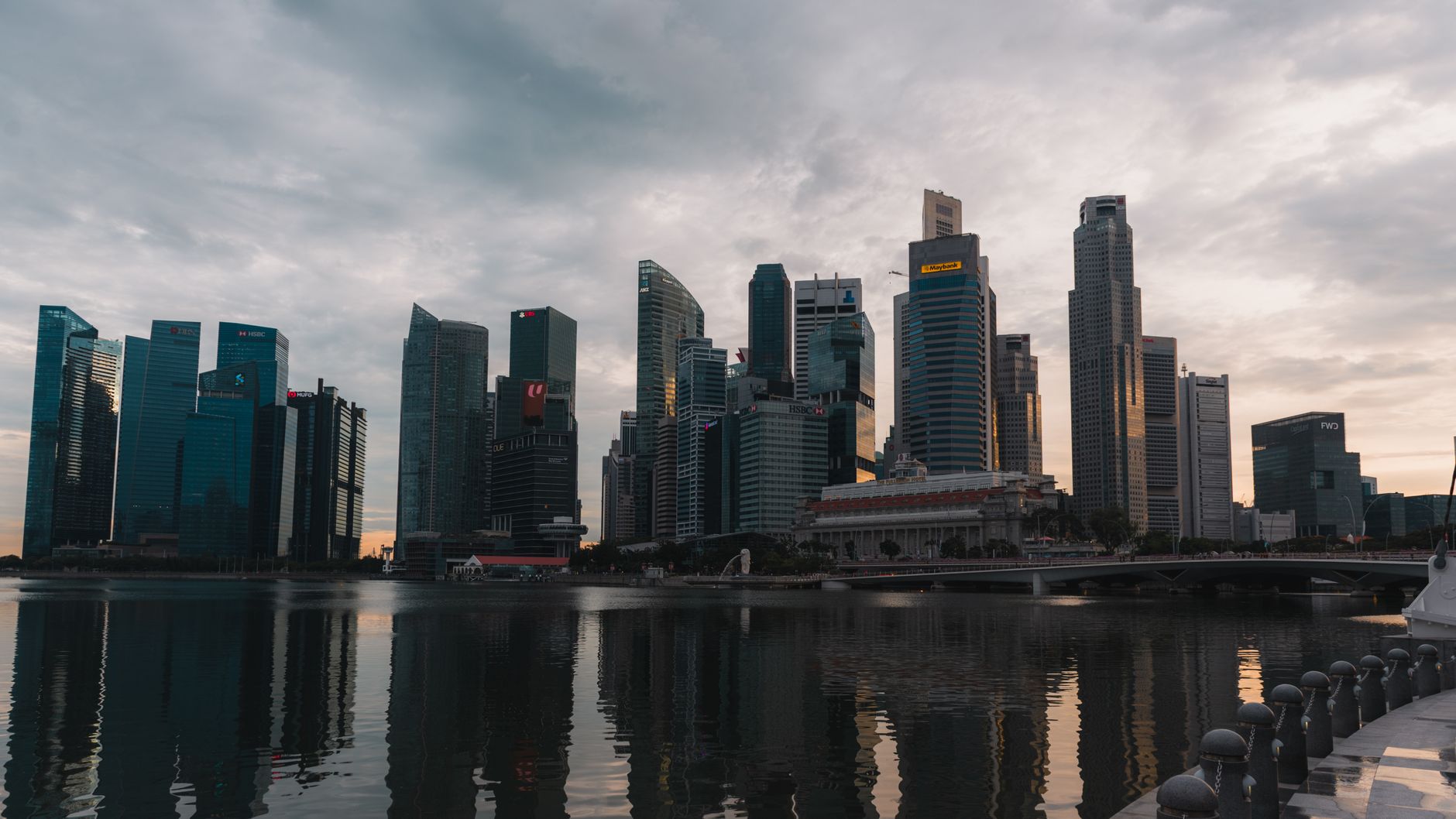
HSBC Strikes Massive $2.1 Billion Deal with Allianz: A Major Shift in Global Banking
This transaction is more than a simple divestment; it is a core component of a broader plan to optimize the bank's balance sheet. As HSBC exits the Singapore insurance market, industry analysts are closely watching how this capital reallocation will redefine the bank's global investment strategy and competitive positioning.
