HSBC Strikes Massive $2.1 Billion Deal with Allianz: A Major Shift in Global Banking

HSBC has finalized a massive $2.1 billion deal with Allianz, divesting its insurance operations in Singapore. This strategic move accelerates the restructuring of Europe's largest bank, signaling a decisive shift in its asset focus and risk management priorities.
This transaction is more than a simple divestment; it is a core component of a broader plan to optimize the bank's balance sheet. As HSBC exits the Singapore insurance market, industry analysts are closely watching how this capital reallocation will redefine the bank's global investment strategy and competitive positioning.
HSBC has officially announced the sale of its Singapore insurance business to Allianz in a deal valued at $2.1 billion. The move is regarded as a critical step in accelerating the restructuring of Europe's largest bank, which aims to simplify its operations and pivot toward higher-margin sectors.
The decision to divest assets in key markets like Singapore reflects a growing trend among global banking giants to optimize their financial service portfolios. For Allianz, the acquisition bolsters its footprint in the Asian market, while HSBC redirects capital to strengthen its core banking operations and long-term growth strategies.
This is a summarized and adapted version by Artificial Intelligence. To read the complete original story, visit the official source.
Read Full Article at BlockTrendsSupport Jornal Bitcoin
Independent journalism, curated by AI, no clickbait. Keep the flame alive with any amount of BTC.
jonata@walletofsatoshi.comDaily Crypto Brief 📬
Subscribe to receive the curation of the most important Bitcoin and crypto news, summarized by AI. No spam.
Join more than 10,000 smart readers.
Related News

Livestock on the Blockchain: Brazil Uses Tokenized Cows as Loan Collateral on B3
By leveraging AI-powered smart collars from Cowmed, the deal ensures high-fidelity monitoring of animal health, effectively digitizing biological assets. This synergy between agrotech and blockchain technology, structured by Target FIDC, provides a scalable blueprint for how tokenization can revolutionize agricultural credit and risk management.
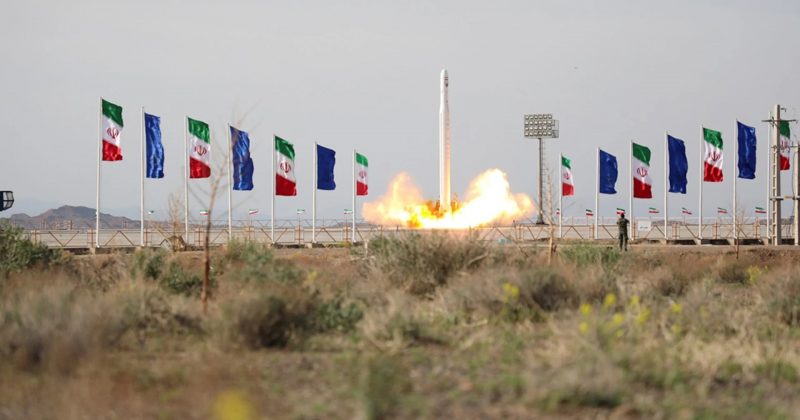
Gulf Tension Rises: US and Iran Exchange Strikes Amid Escalation Fears
Market analysts are closely monitoring the situation, as recent data suggests a 44.5% probability of further Iranian military action against Gulf states by July 30. Such geopolitical instability often serves as a catalyst for extreme market volatility, potentially driving capital flows toward decentralized assets as investors seek hedges against traditional systemic risks.
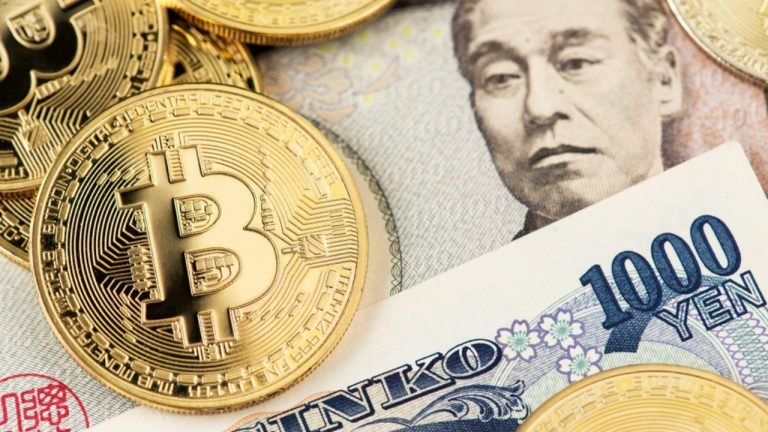
Japan’s Crypto Revolution: First Spot Bitcoin ETF Could Hit the Market by 2028
As regulators scrutinize new custody standards for crypto, the path toward institutional adoption becomes clearer. The success of this initiative hinges on comprehensive regulatory updates, which could fundamentally change how Japanese investors interact with Bitcoin and the broader cryptocurrency market.

War Alert: Iran Targets US Bases in Jordan and Bahrain Amid Escalating Tensions
This heightened friction raises serious concerns regarding a potential war escalation by 2026, which could trigger massive volatility across global markets. Any military action against a Gulf state could serve as a catalyst for systemic shocks, affecting everything from energy supplies to the broader crypto market sentiment.

RBI Intervention Blunts Oil Surge, Stabilizing Rupee Amid Market Volatility
As crude oil is projected to hit new all-time highs by September 30, the RBI's actions are critical to managing import inflation and protecting the nation's fiscal health. The intervention serves as a vital buffer against the massive price swings expected in the energy sector throughout the coming weeks.
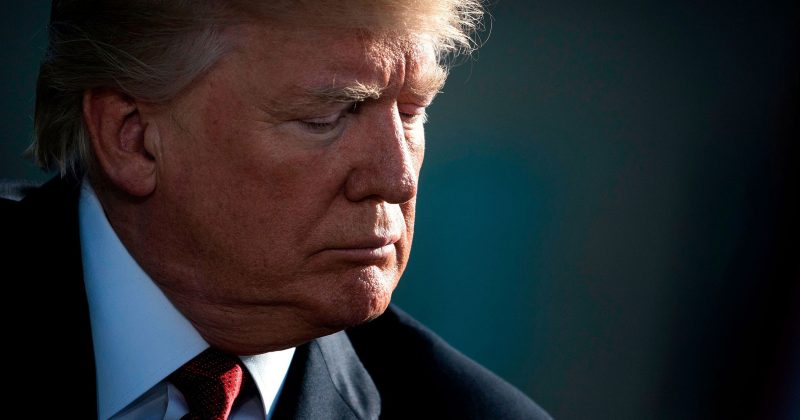
Geopolitical Flashpoint: Trump Warns Iran Over Houthi Attacks
This aggressive stance comes amidst discussions of a potential U.S.-Iran deal involving reconstruction funding slated for 2026. The interplay between military threats and diplomatic negotiations creates significant volatility, potentially influencing risk appetite across both traditional and digital asset markets.
