BIP-110 Nodes Fork From Main Chain After Rejecting Non-Signaling Block

A significant fork has occurred in the Bitcoin network as nodes implementing BIP-110 have split from the main chain after rejecting a non-signaling block. This event demonstrates the inherent challenges of achieving consensus in decentralized networks and exposes vulnerabilities in the collective decision-making process. The network fragmentation poses a serious risk to the economic stability of the blockchain, potentially resulting in isolated, economically weak chains. This incident serves as a critical reminder about the complexities of blockchain protocol development and the potential consequences when different implementations of improvements fail to align perfectly.
This is a summarized and adapted version by Artificial Intelligence. To read the complete original story, visit the official source.
Read Full Article at Crypto BriefingSupport Jornal Bitcoin
Independent journalism, curated by AI, no clickbait. Keep the flame alive with any amount of BTC.
jonata@walletofsatoshi.comDaily Crypto Brief 📬
Subscribe to receive the curation of the most important Bitcoin and crypto news, summarized by AI. No spam.
Join more than 10,000 smart readers.
Related News
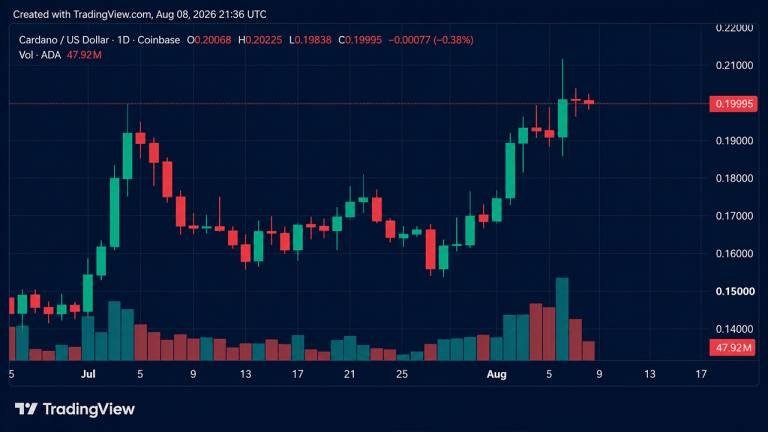
ADA and Privacy Coins Explode While XRP Tumbles as Bitcoin Reclaims $65K Despite CLARITY Act Setback
Weak US Payroll Data: Bitcoin Set for Major Rally?
Bitcoin's BIP-110 Enters Mandatory Signaling With Miners Barely Supporting

Texas Governor Slams Brakes on Data Centers as ERCOT Grid Strains Under Pressure
Scammers Posing as EU Regulators Target Crypto Users Displaced by MiCA Deadline
The European Commission and security agencies have issued official warnings about this escalating threat, with losses reportedly exceeding tens of millions of dollars. This scheme presents a dual danger: beyond the theft of funds, these scams can trick victims into sharing sensitive information that compromises their digital and financial identities. The crypto industry is on high alert, with exchanges and wallets implementing additional verification measures to protect users.