NFT Project Founder Indicted in US for $10M Fraud Scheme
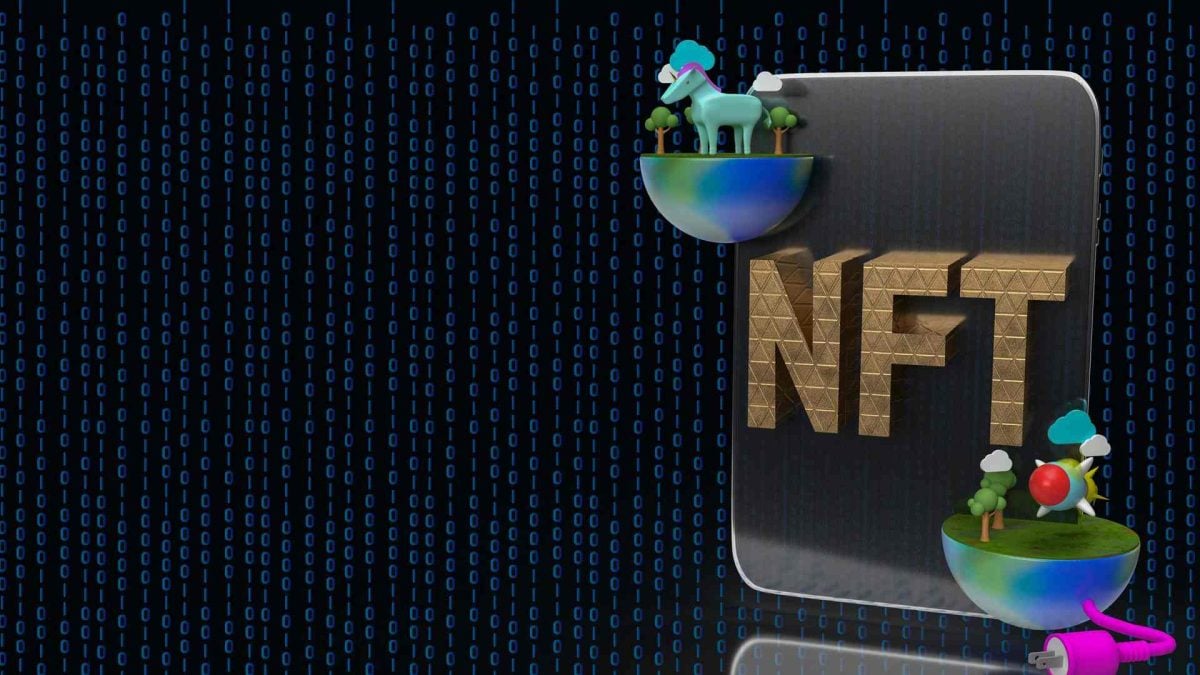
US authorities have indicted the founder of an NFT cryptocurrency project, Taj Tarsha, for orchestrating a $10 million fraud scheme against dozens of investors. The historic legal action marks one of the largest crypto fraud cases in recent years, highlighting growing regulatory scrutiny in the digital asset space. The indictment, issued Wednesday in New York's southern district, alleges systematic financial diversion within the project. This case underscores the increasing focus on crypto regulation and enforcement, sending a strong message to bad actors in the rapidly expanding NFT and cryptocurrency markets.
This is a summarized and adapted version by Artificial Intelligence. To read the complete original story, visit the official source.
Read Full Article at LivecoinsSupport Jornal Bitcoin
Independent journalism, curated by AI, no clickbait. Keep the flame alive with any amount of BTC.
jonata@walletofsatoshi.comDaily Crypto Brief 📬
Subscribe to receive the curation of the most important Bitcoin and crypto news, summarized by AI. No spam.
Join more than 10,000 smart readers.
Related News
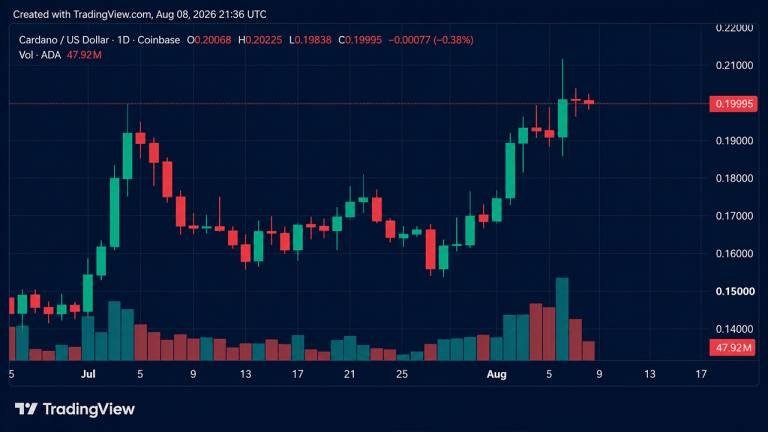
ADA and Privacy Coins Explode While XRP Tumbles as Bitcoin Reclaims $65K Despite CLARITY Act Setback
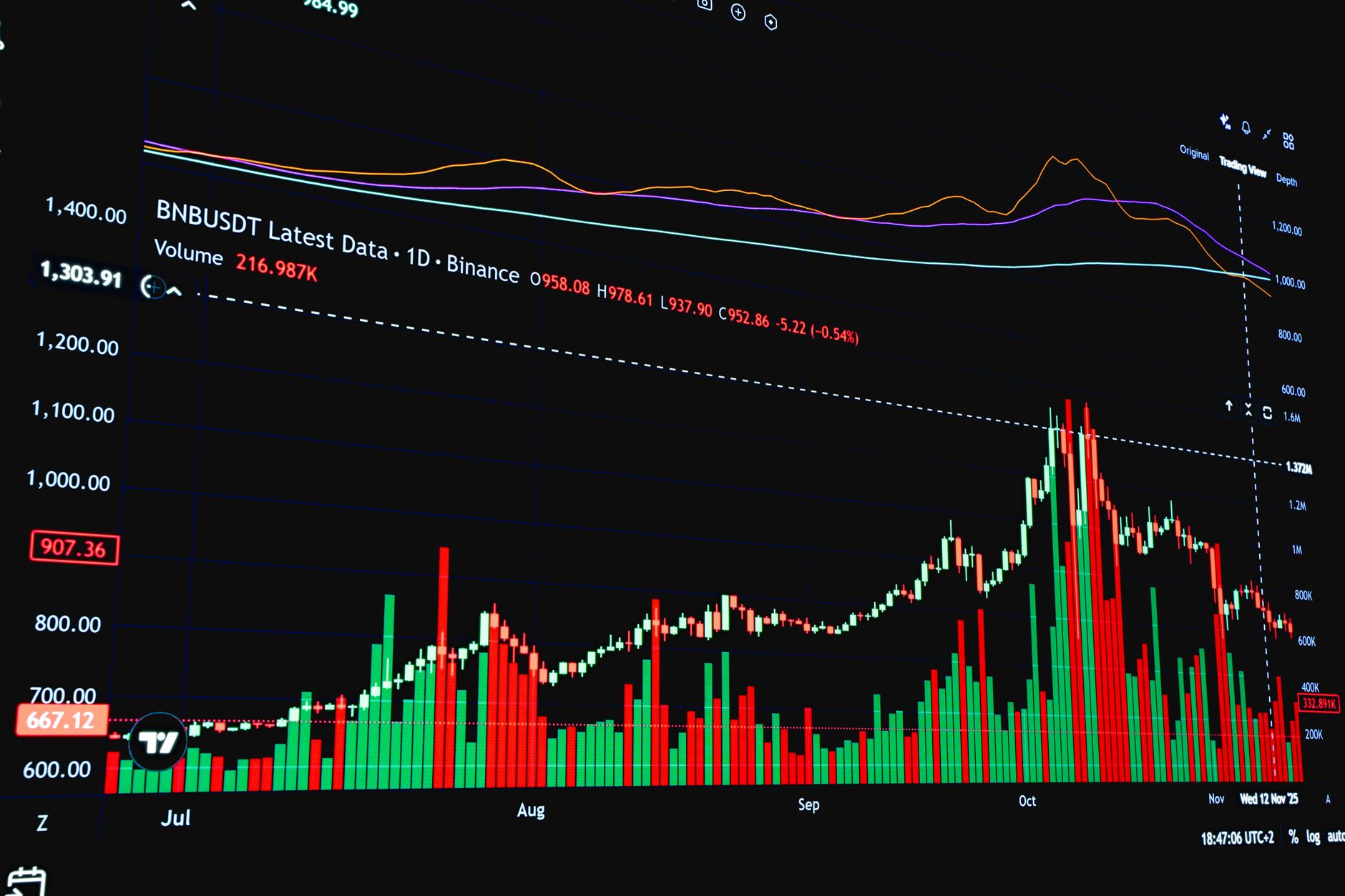
Weak US Payroll Data: Bitcoin Set for Major Rally?
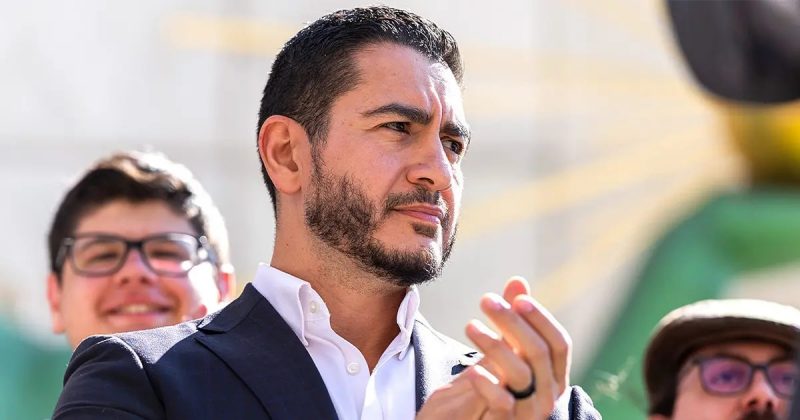
Democrat El-Sayed Falls Behind Republican Rogers in Michigan Senate Race

Bitcoin's BIP-110 Enters Mandatory Signaling With Miners Barely Supporting
Texas Governor Slams Brakes on Data Centers as ERCOT Grid Strains Under Pressure
Scammers Posing as EU Regulators Target Crypto Users Displaced by MiCA Deadline
The European Commission and security agencies have issued official warnings about this escalating threat, with losses reportedly exceeding tens of millions of dollars. This scheme presents a dual danger: beyond the theft of funds, these scams can trick victims into sharing sensitive information that compromises their digital and financial identities. The crypto industry is on high alert, with exchanges and wallets implementing additional verification measures to protect users.
