Netanyahu Warns: US F-35 Sales to Turkey Could Destabilize Middle East Power Balance
Israeli Prime Minister Benjamin Netanyahu has issued a stark warning regarding the potential sale of F-35 fighter jets to Turkey. Speaking with CNN, Netanyahu emphasized that such a move could fundamentally upset the Middle East balance of power, a concern he has directly communicated to Donald Trump to influence future U.S. foreign policy.
As geopolitical tensions rise, the Polymarket prediction market is reacting to the shifting landscape, with Eizenkot's odds climbing to 40%. This intersection of military hardware sales and political forecasting highlights the growing volatility and the high stakes involved in regional stability and defense diplomacy.
This is a summarized and adapted version by Artificial Intelligence. To read the complete original story, visit the official source.
Read Full Article at Blockchain.newsSupport Jornal Bitcoin
Independent journalism, curated by AI, no clickbait. Keep the flame alive with any amount of BTC.
jonata@walletofsatoshi.comDaily Crypto Brief 📬
Subscribe to receive the curation of the most important Bitcoin and crypto news, summarized by AI. No spam.
Join more than 10,000 smart readers.
Related News

Geopolitical Shockwave: US Strikes on Iranian Base Trigger New Volatility Risks for Crypto
As these conflicts unfold, the resulting shift in investor sentiment could fundamentally alter crypto asset behavior in the short term. Monitoring how these geopolitical shocks influence market liquidity and risk appetite is crucial for navigating the current crypto market landscape.

Geopolitical Shockwave: Kuwait Missile Attacks Trigger Bitcoin Dip to $99.5K Before Rebound
This volatility underscores the profound impact that regional tensions can have on crypto market dynamics. As geopolitical risks escalate, the correlation between international security events and Bitcoin price action remains a primary driver for market fluctuations and investor sentiment.
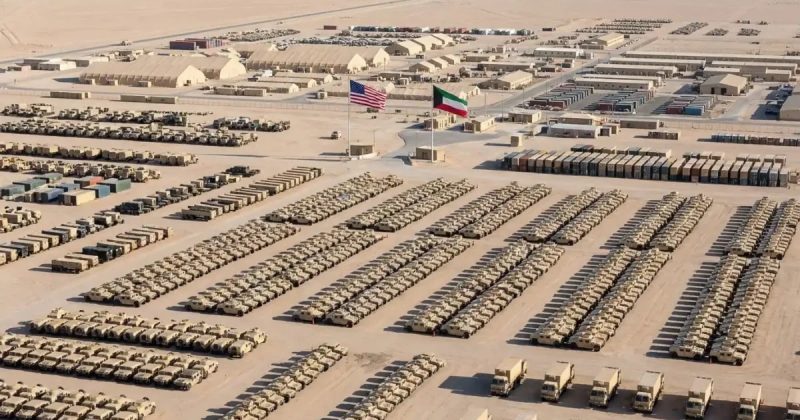
Geopolitical Shockwave: IRGC-linked channel claims missile strikes on US bases, crypto markets on edge
Beyond immediate market volatility, escalating tensions could lead to increased regulatory scrutiny on crypto markets, potentially disrupting global trade and broader financial stability. Investors must monitor how these geopolitical shifts influence liquidity and the broader macroeconomic landscape.
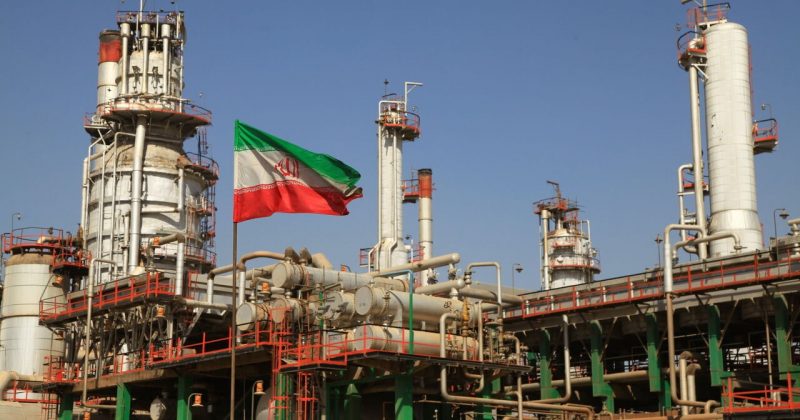
US-Iran Conflict Escalates: Geopolitical Risks Send Shockwaves Through Crypto Markets
This escalation is expected to trigger stricter enforcement of international sanctions, potentially reshaping global financial dynamics and liquidity flows. The intersection of military conflict and decentralized finance means market participants must navigate a complex web of regulatory shifts and macroeconomic instability.

US Retaliates Against Iran with 20-to-1 Response Vow as Crypto Sanctions Tighten
The ripple effects of this confrontation are expected to hit both the global oil markets and the digital finance sector. As crypto sanctions tighten, the intersection of military aggression and economic warfare creates a high-volatility environment, forcing digital asset investors to navigate unprecedented geopolitical risks.
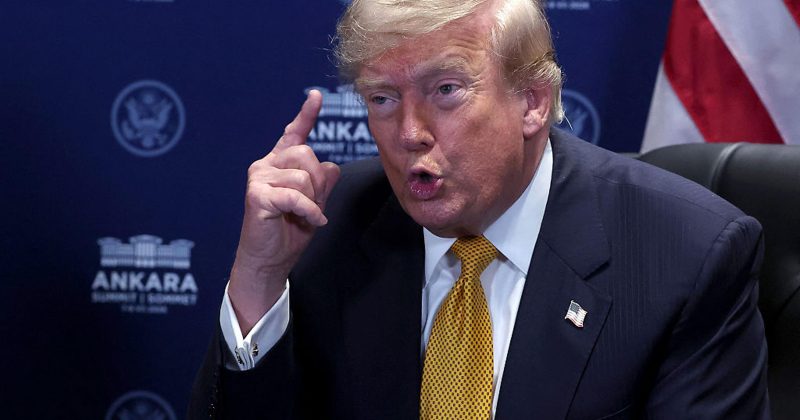
Trump's Trade Embargo Threat Forces Spain to Agree to Higher Defense Payments
This shift in defense spending priorities is expected to ripple through European markets, altering fiscal policies across the continent. As Trump's economic pressure reshapes the alliance, investors are closely monitoring how these new market dynamics will influence long-term stability and trade relations between the US and its NATO allies.
