Geopolitical Shockwave: Kuwait Missile Attacks Trigger Bitcoin Dip to $99.5K Before Rebound

Geopolitical instability surged as Kuwait intercepted missile and drone attacks, sending ripples through the global financial markets. Bitcoin reacted sharply to the news, dipping to the critical $99.5K level before staging a swift rebound, showcasing the asset's high sensitivity to sudden conflict.
This volatility underscores the profound impact that regional tensions can have on crypto market dynamics. As geopolitical risks escalate, the correlation between international security events and Bitcoin price action remains a primary driver for market fluctuations and investor sentiment.
Kuwait successfully intercepted missile and drone attacks amid rising regional tensions, a development that immediately rattled market sentiment. Bitcoin mirrored this instability, dipping to $99.5K before finding support and rebounding, highlighting the asset's rapid response to global stress.
The ongoing situation emphasizes the vulnerability of crypto markets to geopolitical events. Such volatility serves as a reminder that regional conflicts can act as major catalysts for significant price swings within the digital asset ecosystem.
This is a summarized and adapted version by Artificial Intelligence. To read the complete original story, visit the official source.
Read Full Article at Crypto BriefingSupport Jornal Bitcoin
Independent journalism, curated by AI, no clickbait. Keep the flame alive with any amount of BTC.
jonata@walletofsatoshi.comDaily Crypto Brief 📬
Subscribe to receive the curation of the most important Bitcoin and crypto news, summarized by AI. No spam.
Join more than 10,000 smart readers.
Related News
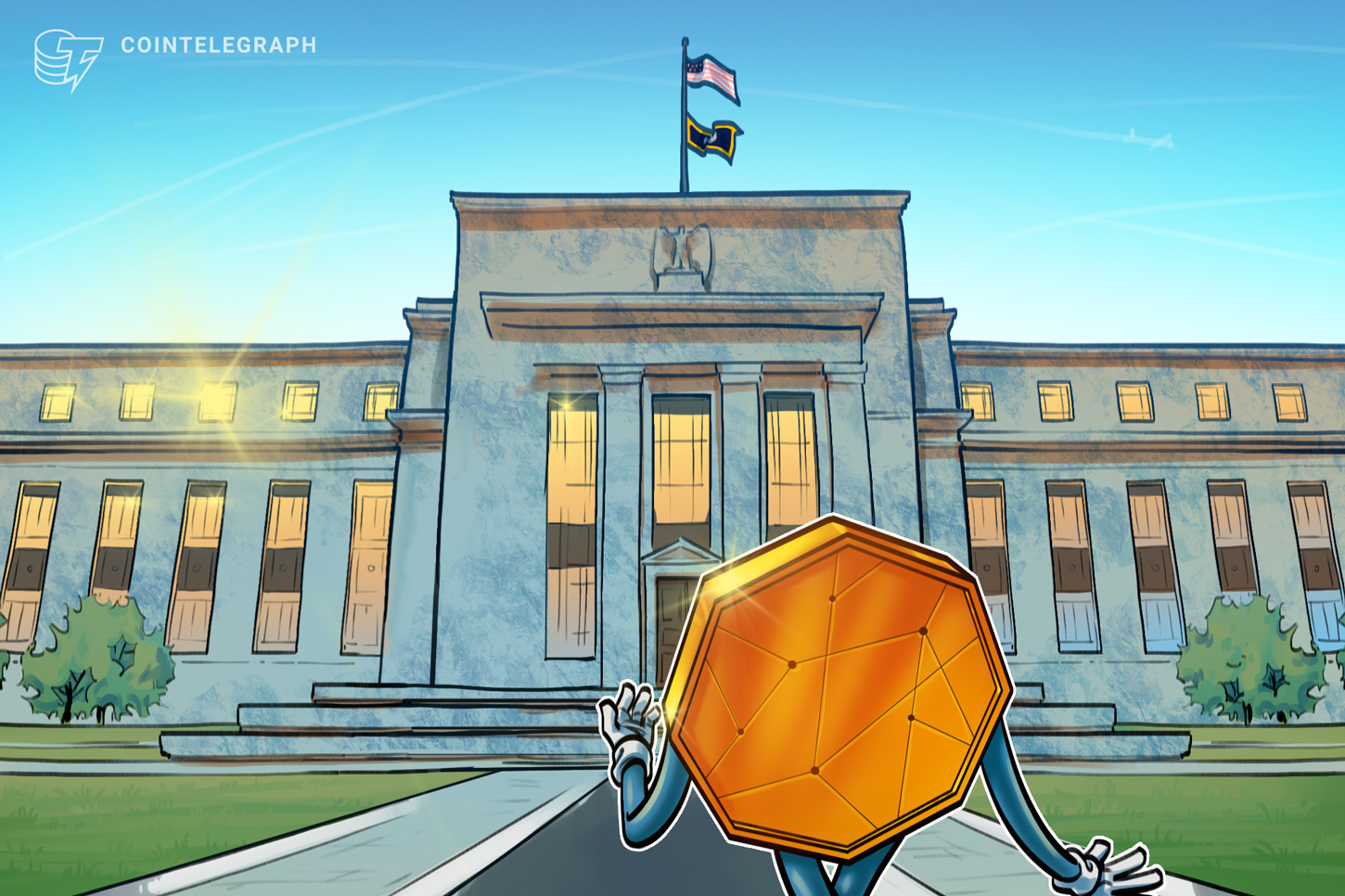
The Fed Backstop: How a US Stock Market Rescue Could Fuel a Crypto Bull Run
While the US equity market has surged 68% over the last five years, experts like Peter Schiff warn of an impending correction. A potential intervention involving the purchase of equity ETFs would break decades of precedent, injecting much-needed liquidity into the financial system and creating a prime environment for digital assets to thrive.

South Korea Rate Hike Alert: Bank of Korea Signals Shift as Inflation Surges
Rising interest rates in South Korea could significantly dampen crypto enthusiasm by altering the risk-reward calculus for local investors. As higher returns on traditional savings accounts become available, the relative appeal of volatile crypto assets diminishes, potentially triggering a capital flight from the crypto market toward safer, fixed-income instruments.

Market Alert: Bank of Japan May Fast-Track Rate Hikes, Putting Bitcoin Holders on High Alert
Bitcoin holders must prepare for heightened volatility as the BoJ's tightening cycle alters the global risk appetite. As capital potentially rotates out of risk assets and back into yen-denominated yields, the resulting liquidity shifts could lead to sharp price movements within the cryptocurrency market.

Geopolitical Shockwave: US Strikes on Iranian Base Trigger New Volatility Risks for Crypto
As these conflicts unfold, the resulting shift in investor sentiment could fundamentally alter crypto asset behavior in the short term. Monitoring how these geopolitical shocks influence market liquidity and risk appetite is crucial for navigating the current crypto market landscape.
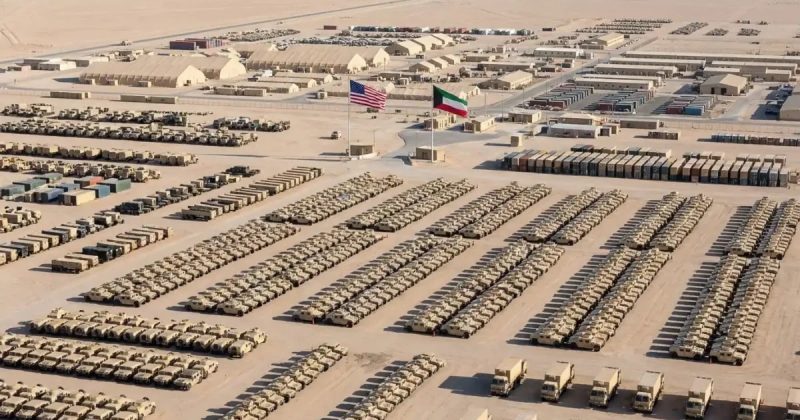
Geopolitical Shockwave: IRGC-linked channel claims missile strikes on US bases, crypto markets on edge
Beyond immediate market volatility, escalating tensions could lead to increased regulatory scrutiny on crypto markets, potentially disrupting global trade and broader financial stability. Investors must monitor how these geopolitical shifts influence liquidity and the broader macroeconomic landscape.
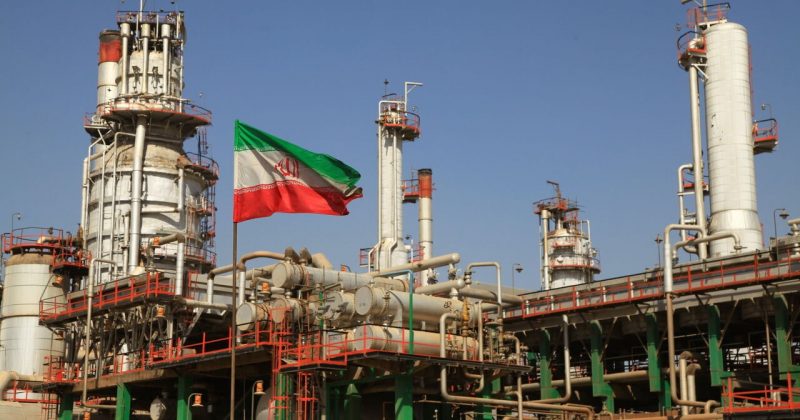
US-Iran Conflict Escalates: Geopolitical Risks Send Shockwaves Through Crypto Markets
This escalation is expected to trigger stricter enforcement of international sanctions, potentially reshaping global financial dynamics and liquidity flows. The intersection of military conflict and decentralized finance means market participants must navigate a complex web of regulatory shifts and macroeconomic instability.
