Anduril’s Barracuda Missile Debuts on Japanese TV as Taiwan’s New Deterrent
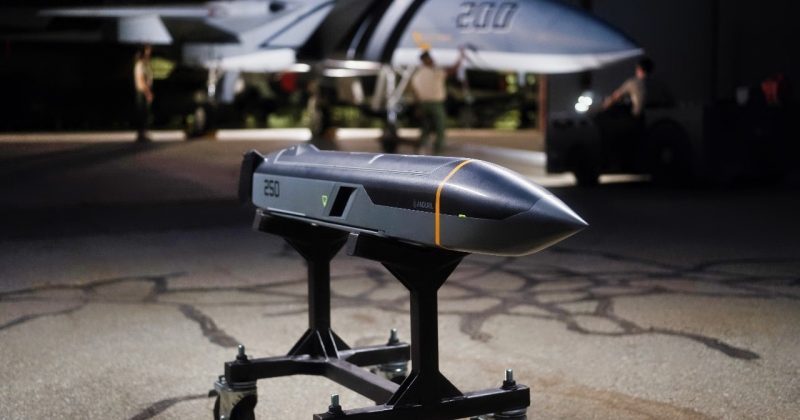
The unveiling of Anduril’s Barracuda missile on Japanese television marks a significant strategic pivot in the defense landscape of the Pacific. This high-tech missile is being positioned as a vital component of cost-effective deterrence, specifically aimed at bolstering security around Taiwan.
This development signals a shift toward more scalable and affordable military technologies, potentially altering regional power dynamics. As Anduril introduces its advanced hardware to the global stage, the move could escalate military tensions while simultaneously redefining how nations approach modern defense and strategic stability.
Anduril’s Barracuda missile was recently unveiled on Japanese television, framed as a strategic deterrent for Taiwan. The public appearance of the missile signals a tactical shift toward cost-effective deterrence models designed to counter modern threats.
While the deployment of the Barracuda aims to strengthen regional security, analysts suggest it could also escalate military tensions in the region. Anduril's approach highlights a growing trend in defense: utilizing advanced, software-driven hardware to provide scalable security solutions in high-stakes geopolitical environments.
This is a summarized and adapted version by Artificial Intelligence. To read the complete original story, visit the official source.
Read Full Article at Crypto BriefingSupport Jornal Bitcoin
Independent journalism, curated by AI, no clickbait. Keep the flame alive with any amount of BTC.
jonata@walletofsatoshi.comDaily Crypto Brief 📬
Subscribe to receive the curation of the most important Bitcoin and crypto news, summarized by AI. No spam.
Join more than 10,000 smart readers.
Related News

Gold Slumps as US-Iran Tensions Spike Oil Prices and Fed Rate Hike Looms
Compounding the pressure, the looming expectation of a Fed rate hike is tightening market conditions and threatening to fuel inflation. As oil prices climb and gold loses momentum, the intersection of energy shocks and central bank policy is set to redefine global investment strategies.

Explosions in Southwest Iran: Military Escalation Threatens Regional Stability
The escalation in the Middle East carries significant implications for market dynamics and asset volatility. As military activity intensifies, the resulting uncertainty often leads to rapid shifts in investor sentiment, potentially impacting liquidity and driving volatility across both traditional and crypto markets.
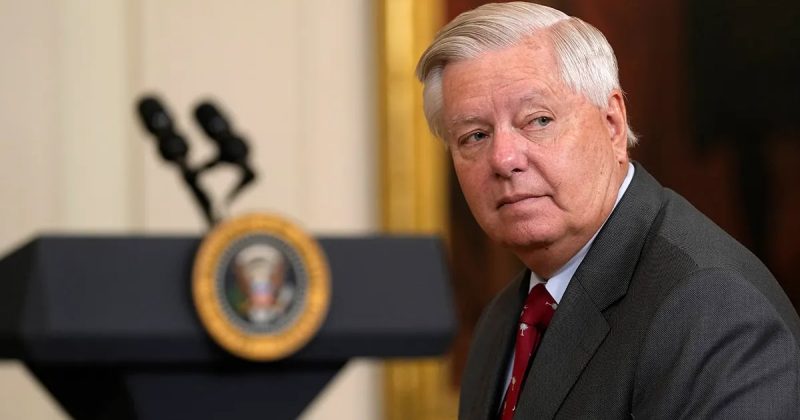
AI Warfare: Iran Releases Deepfake Video Depicting Death of US Senator Lindsey Graham
The deployment of such synthetic media undermines critical diplomatic efforts and heightens the risk of real-world retaliation. As AI-driven disinformation becomes a central tool in international power struggles, the ability to differentiate between authentic footage and manipulated content remains a primary challenge for global security and political stability.

Geopolitical Shockwave: US Strikes Hit Ahvaz Airport Amid Escalating Iran Tensions
Beyond the immediate military impact, the strike carries heavy economic implications, including potential airspace closures and critical disruptions to global oil supply routes. Such volatility often triggers rapid movements in both traditional commodities and the crypto market as investors react to heightened geopolitical uncertainty.

Middle East Chaos: Iranian Missile and Drone Strikes Hit UAE Despite Ceasefire Claims
These military actions are actively challenging market perceptions of de-escalation, forcing analysts to reassess the risk of broader conflict. As the situation evolves, the potential for increased volatility remains a critical factor for both traditional finance and the crypto ecosystem.
Polymarket Odds: Putin Exit Probability Surges to 18% Amid Ukraine Escalation
The surge follows devastating Russian missile and drone strikes on Kyiv and Odesa, which have caused significant casualties. As President Zelenskyy urges NATO for critical munitions support to counter dwindling supplies, the decentralized prediction market is increasingly factoring in the political fallout of the escalating war.
