Middle East Escalation: Iran Launches Missiles Toward Jordan as Israel Warns of Spillover
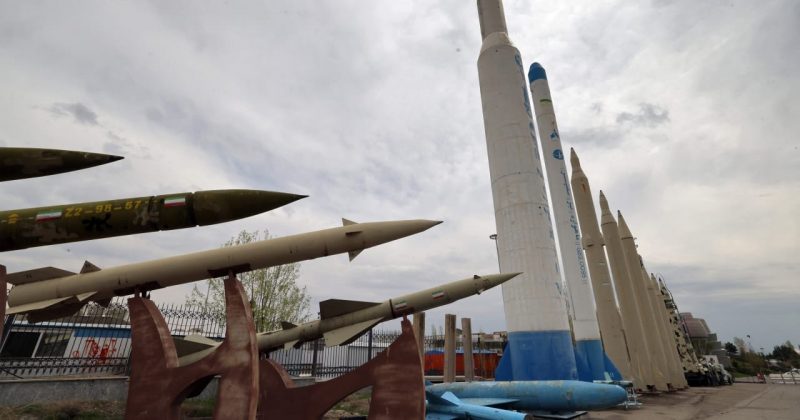
Geopolitical tensions have surged following Iran's missile strikes directed toward Jordan, a move that significantly heightens the risk of a massive regional conflict. This sudden escalation in the Middle East has placed global markets on high alert, emphasizing the critical importance of monitoring geopolitical security and regional stability.
Adding to the volatility, intelligence suggests a continued threat of military action, including a projected 15% chance of Houthi military operations against Israel by July 2026. As the threat of spillover grows, the international community faces increasing uncertainty regarding the long-term impact of these hostilities on global economic and political landscapes.
Iran has launched missiles toward Jordan, significantly raising regional tensions across the Middle East. The move has prompted immediate warnings, with Israel cautioning about the potential for a spillover effect that could expand the conflict. Furthermore, projections indicate a 15% probability of Houthi military action against Israel by July 31, 2026, suggesting that regional instability may remain a persistent threat.
This is a summarized and adapted version by Artificial Intelligence. To read the complete original story, visit the official source.
Read Full Article at Crypto BriefingSupport Jornal Bitcoin
Independent journalism, curated by AI, no clickbait. Keep the flame alive with any amount of BTC.
jonata@walletofsatoshi.comDaily Crypto Brief 📬
Subscribe to receive the curation of the most important Bitcoin and crypto news, summarized by AI. No spam.
Join more than 10,000 smart readers.
Related News

Geopolitical Crisis: US Soldier Killed in Iraq Triggers Trump's New Strikes on Iran
This military surge heightens global market uncertainty and fuels speculation regarding long-term regional stability. Market analysts are closely watching the 30.5% probability of a full-scale U.S. invasion of Iran before 2027, a factor that could trigger massive volatility across crypto and traditional finance sectors.

Trump vows to end Iran's nuclear missile ambitions amid military escalation
Adding complexity to the situation, discussions regarding reconstruction funding for Iran in 2026 have surfaced, showing a 26.5% approval rate. As these political tensions unfold, the intersection of foreign policy and economic stability will remain a critical driver for market sentiment and institutional investment flows.
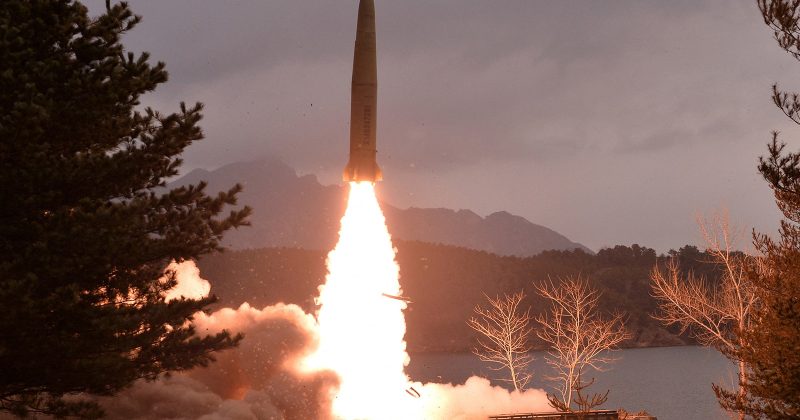
Middle East Tension: Iran Launches New Missile Wave as Crypto Markets Shrug Off Conflict
This divergence between geopolitical instability and digital asset pricing highlights a unique market sentiment. However, investors should remain cautious, as the escalating conflict poses significant risks to global liquidity and could trigger sudden volatility in the crypto market if the situation worsens.
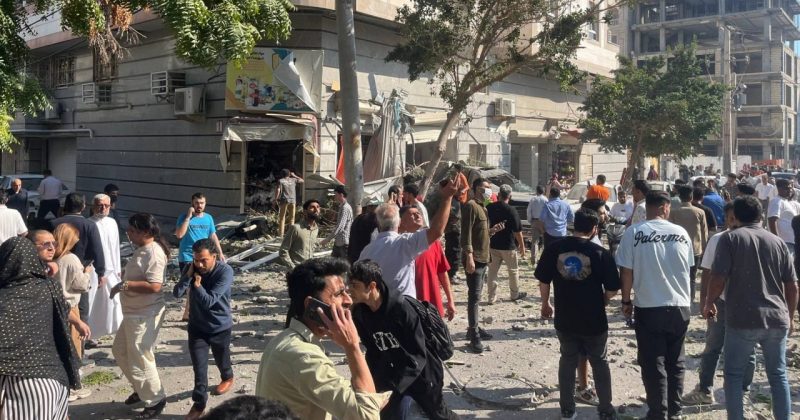
Middle East on Edge: Explosions in Iran as US Airstrikes Fuel Escalating Tensions
With a full airspace closure projected by July 31, the risk of a broader regional conflict is intensifying. As the situation evolves, the impact on global energy supplies and the subsequent flight to safety in the crypto market will be critical factors for traders to watch.

Global Markets on Edge: Trump Vows 'Extremely Hard' Strike on Iran Amid Escalating Airstrikes
This heightened geopolitical tension is driving a massive shift in investor sentiment, as the threat of a broader conflict looms. As military operations intensify, the crypto market and traditional financial sectors are closely monitoring the situation for signs of a flight to safety or a sudden liquidity crunch triggered by regional instability.

Strait of Hormuz Crisis Deepens: Why US Military Strikes on Iran Matter for Crypto Investors
Crypto investors must remain vigilant, as such high-stakes conflicts can drive investors toward Bitcoin as a hedge or cause sudden de-risking across all speculative assets. Understanding the connection between Middle East instability and digital asset volatility is crucial for navigating the current market landscape.
