Saylor Strikes Back: The Urgent Warning Against the Threat to Bitcoin's Neutrality

MicroStrategy founder Michael Saylor has issued a scathing rejection of the BIP 110 proposal, warning that the proposed Bitcoin softfork threatens the core neutrality of the network. Through an extensive essay, Saylor argues that attempting to restrict transactions carrying non-payment data constitutes an improper use of consensus rules to suppress valid transaction types.
The implications for the broader crypto landscape are significant, as this debate touches on the fundamental integrity of the blockchain. By fighting against the BIP 110 softfork, Saylor is positioning himself as a guardian of Bitcoin's immutable rules, warning that any deviation to censor specific data types could undermine the asset's decentralized foundation.
This is a summarized and adapted version by Artificial Intelligence. To read the complete original story, visit the official source.
Read Full Article at Bitcoin.comSupport Jornal Bitcoin
Independent journalism, curated by AI, no clickbait. Keep the flame alive with any amount of BTC.
jonata@walletofsatoshi.comDaily Crypto Brief 📬
Subscribe to receive the curation of the most important Bitcoin and crypto news, summarized by AI. No spam.
Join more than 10,000 smart readers.
Related News

The CLARITY Act: Senator Lummis Unveils 3 Game-Changing Benefits for Crypto
By addressing three core pillars, the act seeks to bolster consumer protections and stabilize the broader crypto markets. As Congress intensifies its efforts to regulate the space, the CLARITY Act stands as a pivotal attempt to integrate digital assets into a structured, institutional-grade financial environment.

US Global Travel Alert: How Iran Tensions Could Shake the Crypto Markets
As risk appetite fluctuates, investors must prepare for potential liquidity shifts and market corrections. The intersection of Middle East tensions and global finance means that crypto markets may face sudden pressure, testing the resilience of decentralized assets against traditional macroeconomic shocks.

US Military Strikes Iran: Geopolitical Tensions Surge Amid 2026 Conflict
With a 54.5% probability of a full airspace closure by August 31, the threat of a wider regional war looms large. As tensions in Iran rise, market participants are bracing for extreme volatility, potentially triggering a massive rotation into Bitcoin as a hedge against systemic geopolitical risk.
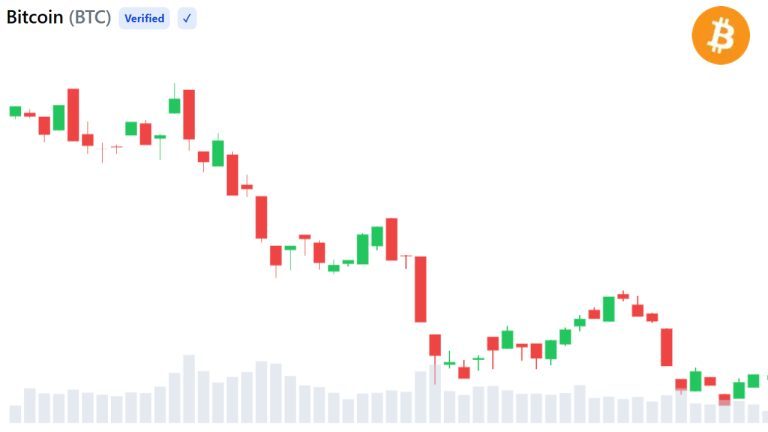
End of Bear? Critical Cost Basis Crossover Signals Bitcoin May Be in Final Bear Market Phase
This specific cost basis crossover mirrors historical Bitcoin cycles, providing a blueprint for potential market reversals. Data from blockchain analytics firm Cryptoquant indicates that this exhaustion of selling pressure could mark the transition from a prolonged bear market to a new bullish phase.

Geopolitical Chaos: Polymarket Odds for US–Iran Ceasefire Plummet Amid Airstrikes
The situation escalated rapidly after the deaths of two US service members in Jordan, triggering a cycle of military retaliation. As strike exchanges continue, the market's reaction highlights the growing uncertainty and the potential for a broader conflict that could disrupt international stability and influence broader asset volatility.

Sanctions Evasion: Iran Uses $7.8B in Crypto to Smuggle Oil to China
The integration of digital assets into large-scale oil smuggling highlights a growing trend in sanctions evasion that challenges global financial stability. As crypto becomes a primary tool for bypassing traditional banking oversight, the geopolitical consequences for US-led economic pressure and the future of commodity trading are profound.
