Michael Saylor Warns: 'Bitcoin Has 110 Problems Before It Needs to Worry About Spam'

MicroStrategy chairman Michael Saylor has issued a blunt warning regarding the current direction of Bitcoin development. While the community debates the BIP 110 proposal aimed at curbing network spam, Saylor asserts that there are 110 much more dangerous threats that demand immediate attention from the core developers.
This friction highlights a growing debate over Bitcoin's governance and the potential for a new fork. As the industry weighs the impact of code changes, Saylor's perspective serves as a reality check for those focusing on minor technical nuisances while overlooking fundamental structural vulnerabilities.
MicroStrategy Chairman Michael Saylor released a critical warning this Saturday regarding proposed changes to the Bitcoin code. Saylor highlighted that the network faces 110 high-danger threats, suggesting that the current preoccupation with combating spam messages is misplaced compared to more existential risks.
Industry leaders are currently debating the BIP 110 proposal, which aims to block transactions without value to mitigate network spam. As the community monitors the potential for a new fork, Saylor's stance raises significant questions about Bitcoin's governance priorities and which vulnerabilities must be addressed to ensure the protocol's long-term security.
This is a summarized and adapted version by Artificial Intelligence. To read the complete original story, visit the official source.
Read Full Article at LivecoinsSupport Jornal Bitcoin
Independent journalism, curated by AI, no clickbait. Keep the flame alive with any amount of BTC.
jonata@walletofsatoshi.comDaily Crypto Brief 📬
Subscribe to receive the curation of the most important Bitcoin and crypto news, summarized by AI. No spam.
Join more than 10,000 smart readers.
Related News

The $122M Heist: Interpol Targets Crypto Wallet Linked to 20-Year-Old Fraudster
Originating from a case in Thailand, this incident underscores the growing difficulty of tracking digital assets as criminals increasingly utilize cross-chain token swaps. By moving assets across different services and borders, bad actors attempt to exploit the complexity of decentralized finance to evade detection.
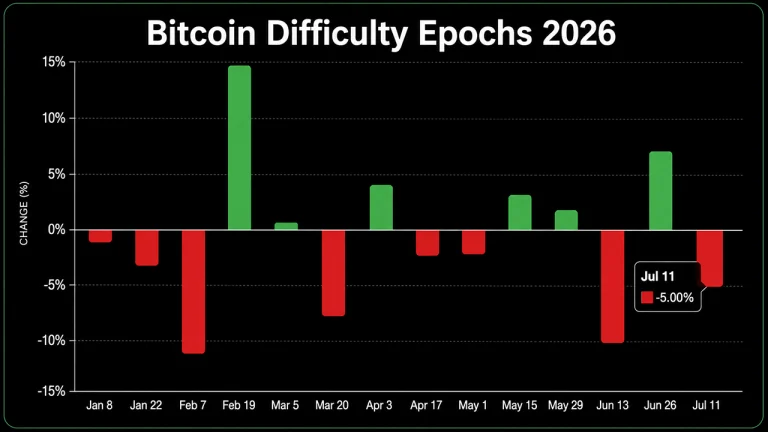
Mining Relief: Bitcoin’s 14th Difficulty Reset Slashes Network Pressure by 6.7 Trillion
This adjustment brings the difficulty metric closer to its yearly lows, reflecting a significant recalibration of the network's computational requirements. As the hashrate adjusts to this new reality, market participants are closely monitoring the impact on miner profitability and the overall security equilibrium of the Bitcoin blockchain.

Signs of Life? New Clarity Act Draft Expected to Drop This Week
Despite the renewed momentum, significant hurdles remain before the act can be fully implemented. The outcome of this legislative push will determine whether the crypto market finds the stability it needs or continues to face a fragmented regulatory landscape.

Saylor's Signal Problem: Why Ambiguous Messaging Could Stall Bitcoin's Momentum
This communication friction comes as the world's largest digital asset treasury company shifts its long-standing 'never sell' mantra. Strategy has recently pivoted to a more flexible approach, selling Bitcoin to fund dividends for preferred stock holders and replenish cash reserves. Following a recent $216 million BTC sale, the market is closely monitoring how this shift in treasury management impacts Bitcoin's price action.

Bitcoin's Floor is Rising: Bitwise Explains Why This Cycle is Different
This structural evolution is primarily driven by massive institutional adoption, which provides a stronger support level for the cryptocurrency. As the industry evolves, Bitwise contends that the influx of institutional capital is effectively raising the baseline price, creating a more resilient market environment compared to earlier cycles.

Michael Saylor’s Warning: The 5 Critical Risks Shaping Bitcoin’s Future
These risks encompass regulatory shifts, custody system vulnerabilities, and long-term network security challenges. For institutional investors and Bitcoin holders, these insights highlight that the primary threats are not technological failure, but rather the complex interplay of global regulation and evolving financial infrastructure.
