Michael Saylor’s Warning: The 5 Critical Risks Shaping Bitcoin’s Future

MicroStrategy Chairman Michael Saylor has identified five pivotal risks that could redefine the Bitcoin landscape. Moving beyond the outdated fear of Bitcoin disappearing, Saylor’s intel focuses on systemic shifts in financial structures and the evolving nature of digital asset security.
These risks encompass regulatory shifts, custody system vulnerabilities, and long-term network security challenges. For institutional investors and Bitcoin holders, these insights highlight that the primary threats are not technological failure, but rather the complex interplay of global regulation and evolving financial infrastructure.
This is a summarized and adapted version by Artificial Intelligence. To read the complete original story, visit the official source.
Read Full Article at Bitcoin.comSupport Jornal Bitcoin
Independent journalism, curated by AI, no clickbait. Keep the flame alive with any amount of BTC.
jonata@walletofsatoshi.comDaily Crypto Brief 📬
Subscribe to receive the curation of the most important Bitcoin and crypto news, summarized by AI. No spam.
Join more than 10,000 smart readers.
Related News

Breaking Correlation: How AI, Geopolitics, and the Fed are Decoupling Bitcoin from Stocks and Gold
This decoupling suggests that Bitcoin is solidifying its identity as a unique asset class. As capital shifts between commodities and technology driven by Fed decisions, Bitcoin's price action and volatility are increasingly responding to tech innovation narratives and warfare risks rather than moving in lockstep with traditional markets.
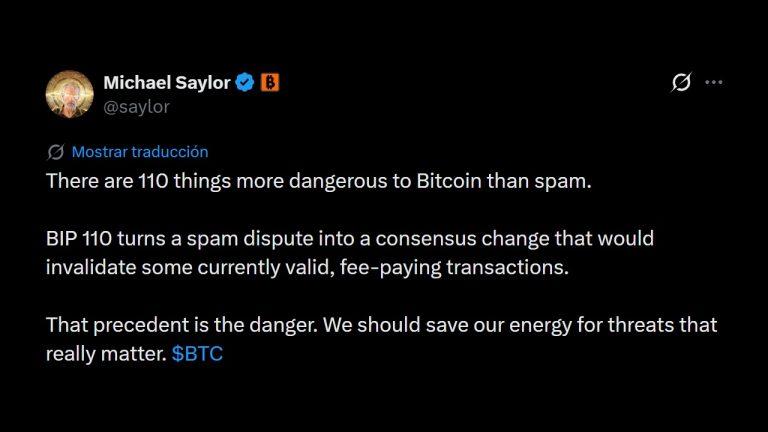
‘110 Things More Dangerous’: Michael Saylor Slams Bitcoin’s Controversial Anti-Spam Fork
By targeting a problem he claims is not currently a threat to the Bitcoin network, Saylor suggests that the implementation of BIP-110 could introduce unnecessary volatility and risk. The core of his argument rests on the idea that protecting the network from non-existent spam should not come at the cost of transaction certainty and protocol stability.

Bitcoin ETF Flows Stabilize—Now CPI Tests the Bounce as Fed Rate-Hike Risk Returns
The CPI print matters because it can shift rate expectations and, in turn, the pace of Bitcoin ETF flows. A hotter-than-expected report may trigger repricing toward tighter policy, pressuring BTC; a cooler CPI could support a renewed bid, reinforcing the current “steady flows” narrative around Bitcoin ETFs in the near term.
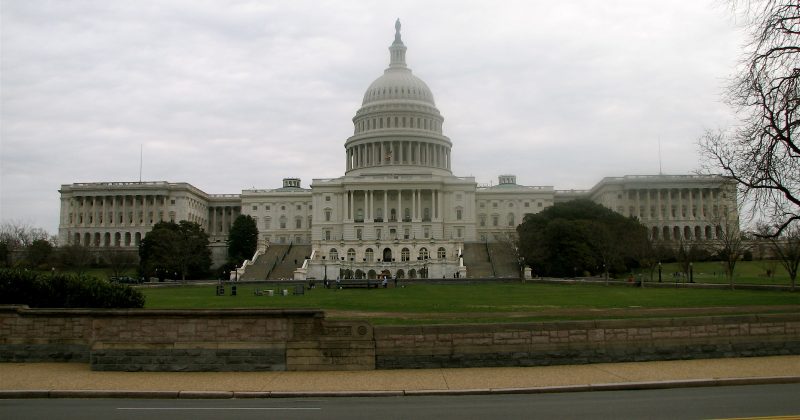
Regulatory Breakthrough? House Set to Debate Digital Asset Market Clarity Act in NYC
Beyond mere procedure, the hearing carries immense weight for market sentiment and legislative momentum. By addressing the framework for digital assets, lawmakers aim to bolster market confidence and establish a stable environment that could trigger a new wave of institutional participation in the crypto space.
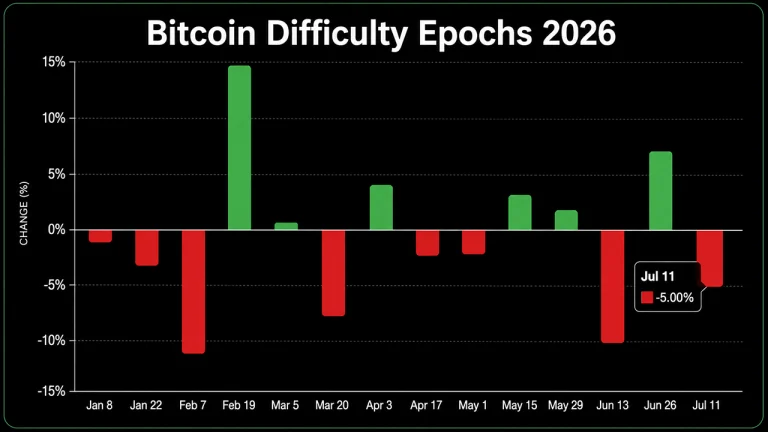
Mining Relief: Bitcoin’s 14th Difficulty Reset Slashes Network Pressure by 6.7 Trillion
This adjustment brings the difficulty metric closer to its yearly lows, reflecting a significant recalibration of the network's computational requirements. As the hashrate adjusts to this new reality, market participants are closely monitoring the impact on miner profitability and the overall security equilibrium of the Bitcoin blockchain.

Saylor's Signal Problem: Why Ambiguous Messaging Could Stall Bitcoin's Momentum
This communication friction comes as the world's largest digital asset treasury company shifts its long-standing 'never sell' mantra. Strategy has recently pivoted to a more flexible approach, selling Bitcoin to fund dividends for preferred stock holders and replenish cash reserves. Following a recent $216 million BTC sale, the market is closely monitoring how this shift in treasury management impacts Bitcoin's price action.
