Enterprise Crypto Milestone: Ligero Integrates Celo for Private, Compliant Stablecoin Payments

Ligero has officially announced its integration with the Celo network, marking a major leap forward for institutional stablecoin utility. This integration is specifically engineered to facilitate private, compliant stablecoin payments, bridging the gap between decentralized finance and enterprise-grade requirements.
By targeting high-stakes use cases such as corporate payroll and treasury transfers, Ligero is positioning itself at the forefront of the institutional adoption curve. The synergy with Celo ensures that businesses can leverage blockchain efficiency without sacrificing the privacy and regulatory compliance essential for modern financial operations.
Ligero's integration with Celo enhances private, compliant stablecoin payments, targeting enterprise use cases like payroll and treasury transfers. This strategic move aims to provide businesses with a seamless way to manage liquidity and employee compensation using blockchain technology, all while maintaining the necessary level of privacy and regulatory adherence required in the corporate sector.
This is a summarized and adapted version by Artificial Intelligence. To read the complete original story, visit the official source.
Read Full Article at Blockchain.newsSupport Jornal Bitcoin
Independent journalism, curated by AI, no clickbait. Keep the flame alive with any amount of BTC.
jonata@walletofsatoshi.comDaily Crypto Brief 📬
Subscribe to receive the curation of the most important Bitcoin and crypto news, summarized by AI. No spam.
Join more than 10,000 smart readers.
Related News
Beyond Trading: Binance’s Bold Pivot Toward a Crypto 'Super App' Era
This pivot aims to transform the platform into a comprehensive 'super app' for the crypto economy. As stablecoins continue to reshape market growth, Binance is positioning itself to capture more than just traders, targeting the broader utility of digital assets in everyday financial life.
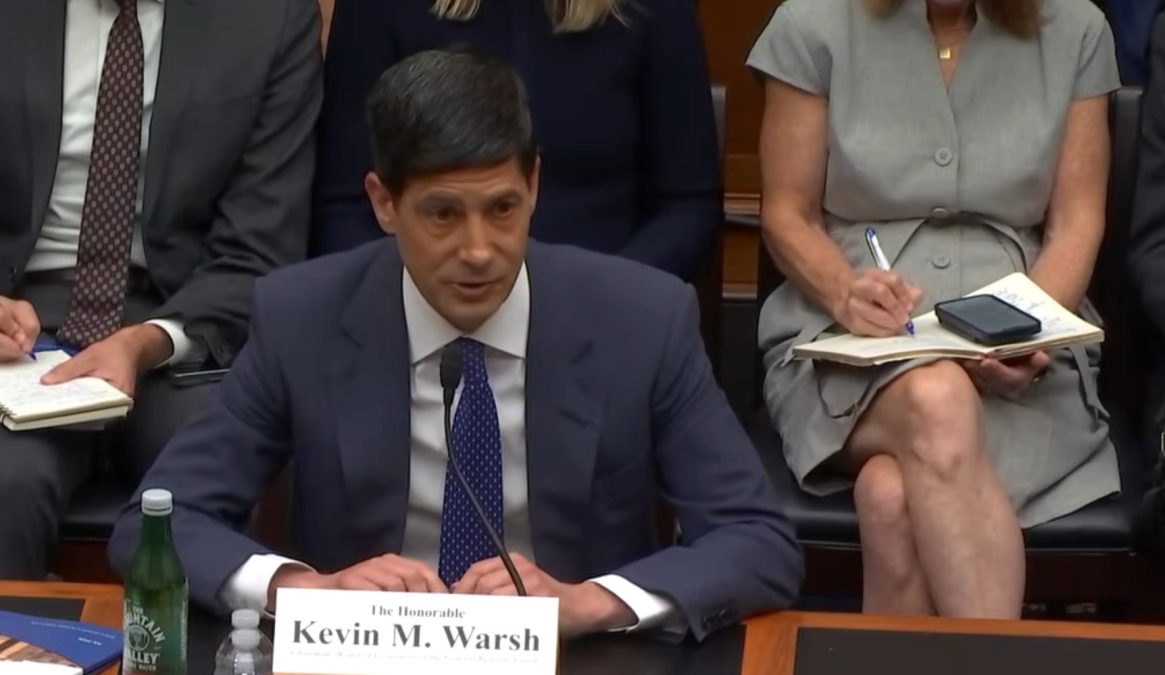
No Bailout: Fed Chair Signals No Safety Net for Stablecoins During Crisis
The implications for the crypto market are profound, as this policy forces a higher standard of collateralization and transparency to prevent contagion. While Warsh remains a vocal proponent of Bitcoin, describing it as an 'important asset,' his refusal to protect stablecoins creates a bifurcated regulatory landscape where Bitcoin's value is recognized, but its secondary stablecoin infrastructure remains exposed to market volatility.
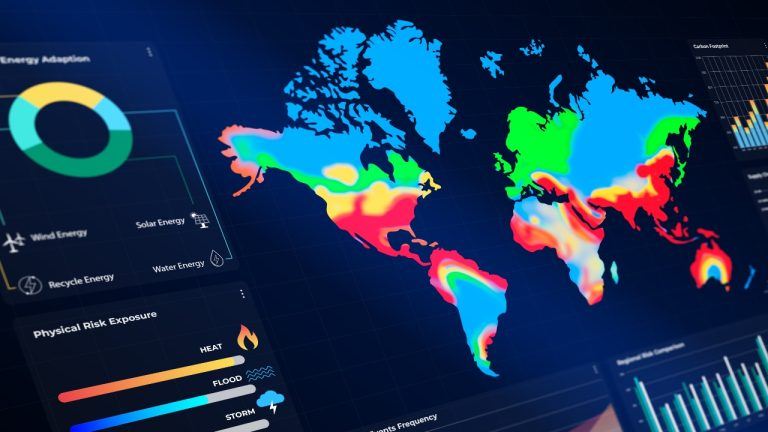
Weather Finance Evolution: Kweather and Flare Partner to Bring Real-World Climate Data On-Chain
By bridging real-world environmental data with blockchain technology, the pilot explores the potential for seamless XRP integration and enhanced oracle capabilities. This development is set to transform how decentralized protocols interact with climate-related variables and real-world assets (RWA).

Payment Giant JCB Partners with Circle to Pilot USDC Stablecoin Payments in Japan
By testing proof-of-concept models for internal fund transfers and international visitor payments, the partnership aims to solve complex interoperability challenges across various blockchain networks. This collaboration builds upon JCB's existing efforts to bridge the gap between traditional finance and decentralized technology through physical store pilot programs.

Mizuho Downgrades Circle to 'Underperform' as Open USD Threat Looms
Analysts warn that Open USD's yield pass-through model poses a direct threat to Circle's margins by shifting more reserve income toward distributors. This structural shift could erode the profitability of traditional stablecoin issuers, forcing a reevaluation of Circle's market position and long-term revenue stability in an evolving regulatory and competitive environment.
Chainalysis Goes All-In on Tether Ecosystem with New Stable Blockchain Support
This strategic move highlights the growing dominance of the Tether ecosystem and the increasing demand for sophisticated blockchain analytics. By integrating Stable, Chainalysis ensures that compliance officers and investigators can effectively monitor stablecoin liquidity and transaction patterns in real-time.
