The CLARITY Act: Senator Lummis Unveils 3 Game-Changing Benefits for Crypto
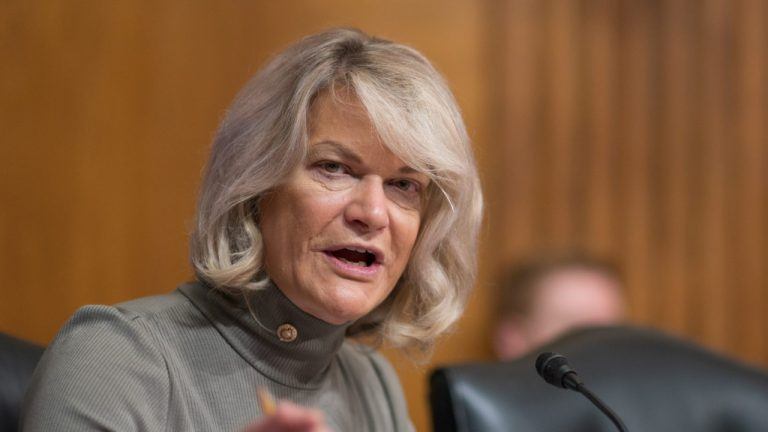
U.S. Senator Cynthia Lummis has outlined the transformative potential of the CLARITY Act, a legislative move aimed at defining the future of digital assets. This proposed framework is designed to provide much-needed regulatory clarity for developers and investors alike, ensuring that federal oversight is both transparent and effective.
By addressing three core pillars, the act seeks to bolster consumer protections and stabilize the broader crypto markets. As Congress intensifies its efforts to regulate the space, the CLARITY Act stands as a pivotal attempt to integrate digital assets into a structured, institutional-grade financial environment.
U.S. Senator Cynthia Lummis highlighted three key benefits of the CLARITY Act, arguing that the legislation would form part of a broader digital asset framework while strengthening consumer protections and clarifying federal oversight.
The CLARITY Act sits at the center of Congress' efforts to establish definitive rules for the industry. The central question remains whether this legislation can successfully deliver the promised stability for developers, security for investors, and long-term growth for global crypto markets.
This is a summarized and adapted version by Artificial Intelligence. To read the complete original story, visit the official source.
Read Full Article at Bitcoin.comSupport Jornal Bitcoin
Independent journalism, curated by AI, no clickbait. Keep the flame alive with any amount of BTC.
jonata@walletofsatoshi.comDaily Crypto Brief 📬
Subscribe to receive the curation of the most important Bitcoin and crypto news, summarized by AI. No spam.
Join more than 10,000 smart readers.
Related News

New Jersey AG Targets FIFA: Why the Post-World Cup Crackdown Matters for Crypto
This regulatory pressure carries significant implications for the crypto markets, particularly regarding how digital assets are utilized in massive sports sponsorships. As the intersection of sports and fintech grows, the scrutiny from authorities like the New Jersey AG will likely set a precedent for how crypto-integrated sports ventures must navigate compliance and legal frameworks.

Legal Landmark: UK Courts Weigh Whether Corporate Debts Can Be Settled in Bitcoin
Involving British businessman Hamze, the litigation highlights the friction between existing regulatory structures and the decentralized nature of the crypto ecosystem. A ruling in favor of Bitcoin payments would significantly boost the institutional adoption of cryptocurrencies and validate Bitcoin as a legitimate medium for settling high-value legal liabilities.

US Tech Dominance Under Threat? Moonshot's Kimi K3 Outperforms GPT and Claude
This breakthrough is creating a 'DeepSeek 2 moment,' exerting significant downward pressure on the valuations of US-based Big Techs. As Chinese innovation accelerates, the geopolitical and economic landscape of artificial intelligence is shifting, challenging the long-standing technological hegemony of Silicon Valley.

Geopolitical Alert: Ansarullah Warns of Potential Bab el-Mandeb Closure Amid Rising Tensions
While traffic through the Strait of Hormuz remains normal, the looming instability in Bab el-Mandeb creates a high-risk environment for global trade routes. Investors should monitor these geopolitical shifts closely, as any disruption to these critical chokepoints can have cascading effects on global economic stability and asset pricing.
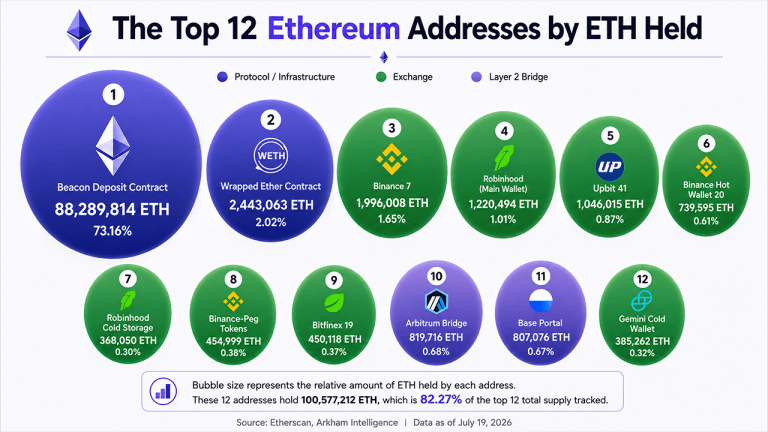
Whale Alert: Ethereum’s Top 12 Wallets Unmask 6 Exchanges Controlling 6.6 Million ETH
By analyzing data through Arkham Intelligence and Etherscan, it becomes clear that the influence of Layer 2 (L2) bridges and centralized exchanges remains a dominant force. This concentration of assets poses significant implications for the network's decentralization and the overall liquidity dynamics of the Ethereum ecosystem.
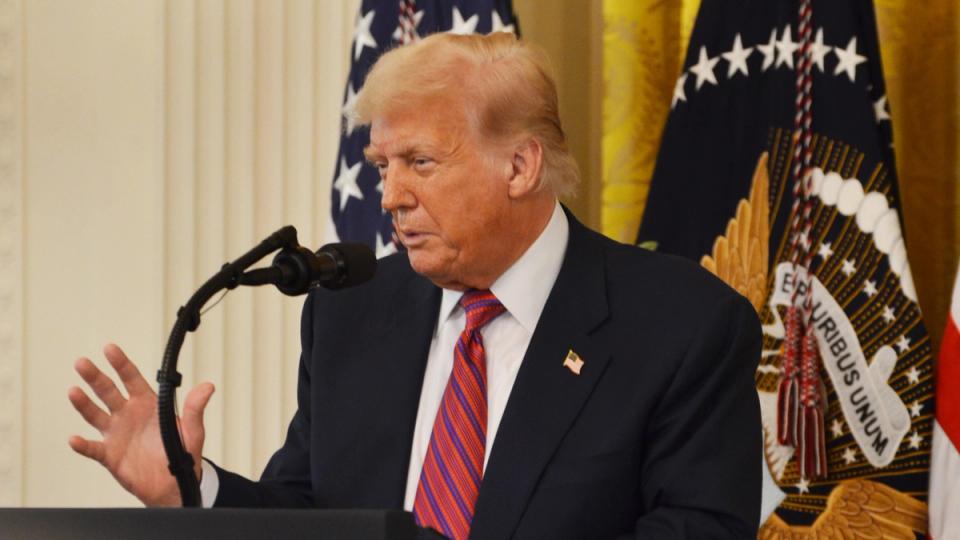
One Year of the GENIUS Act: The New Era of Stablecoin Regulation
Reflecting on a year of impact, it is clear that the GENIUS Act has done more than just provide legal clarity; it has catalyzed stablecoin adoption among major financial players. The continued evolution of this law will dictate the pace of financial innovation and the seamless integration of digital assets into the traditional banking system.
