One Year of the GENIUS Act: The New Era of Stablecoin Regulation
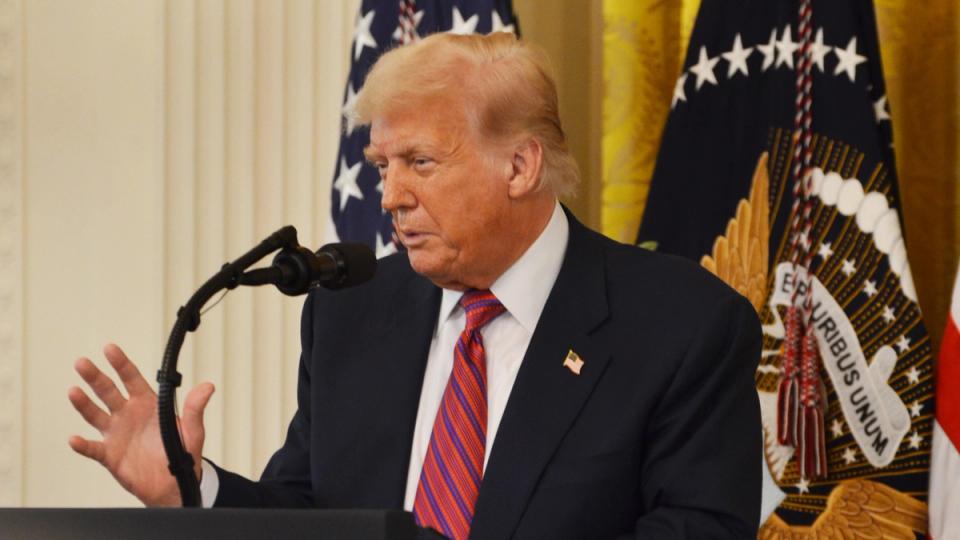
The digital asset regulatory landscape has reached a pivotal milestone with the first anniversary of the GENIUS Act. This intel brief examines how the stablecoin-focused legislation has laid the groundwork for institutional compliance and overall crypto market stability.
Reflecting on a year of impact, it is clear that the GENIUS Act has done more than just provide legal clarity; it has catalyzed stablecoin adoption among major financial players. The continued evolution of this law will dictate the pace of financial innovation and the seamless integration of digital assets into the traditional banking system.
The GENIUS Act, a legislation centered on stablecoins, became law one year ago. This milestone represents a paradigm shift in how regulators and the market interact with digital assets. By focusing on the stability and transparency of dollar-pegged coins, the act seeks to mitigate systemic risks while providing a secure pathway for technological innovation within the payments and decentralized finance sectors.
This is a summarized and adapted version by Artificial Intelligence. To read the complete original story, visit the official source.
Read Full Article at CoinDeskSupport Jornal Bitcoin
Independent journalism, curated by AI, no clickbait. Keep the flame alive with any amount of BTC.
jonata@walletofsatoshi.comDaily Crypto Brief 📬
Subscribe to receive the curation of the most important Bitcoin and crypto news, summarized by AI. No spam.
Join more than 10,000 smart readers.
Related News

MicroStrategy Strategy: Saylor Pauses Bitcoin Buying to Boost USD Reserves
This maneuver suggests the company is building a financial buffer to facilitate future crypto market entries. By accumulating USD liquidity, MicroStrategy ensures the necessary flexibility to capitalize on price volatility, reinforcing its status as the world's leading institutional holder of BTC.

Vietnam Crackdown: Heavy Fines Announced for Unlicensed Crypto Trading
These new regulations target unauthorized crypto offerings and serious anti-money laundering (AML) breaches, with fines reaching up to $7,700. Beyond financial penalties, authorities are now empowered to suspend crypto-related activities, revoke licenses, and confiscate assets to ensure total compliance within the nation's evolving financial landscape.

Google and Tesla Kick Off Magnificent Seven Earnings Cycle with Major Crypto Implications
Beyond the tech sector, the performance of Google and Tesla acts as a macroeconomic barometer. The upcoming reports will likely trigger capital rotations, where the strength of these heavyweights determines whether investors pivot toward high-growth crypto assets or remain anchored in traditional equities.

The Drake Curse Returns: Spain's World Cup Win Triggers Massive Crypto Losses
This phenomenon underscores the unpredictable nature of market volatility and how cultural narratives can influence investor behavior. As the crypto community dissects the impact, the event serves as a stark reminder of the intersection between global pop culture and the high-stakes environment of digital asset trading.

Coinbase CEO Brian Armstrong: Why AI Miner Defection Won't Tank Bitcoin's Price
By highlighting the critical role of the network's difficulty adjustment mechanism, Armstrong explained that block production remains consistent regardless of how much hash power migrates to AI workloads. This insight suggests that the structural integrity of Bitcoin remains intact, even as the mining landscape faces intense competition from the burgeoning AI sector.

Wall Street Divided: Is the Chip Stock Sell-Off a Massive Buying Opportunity?
This volatility in high-growth tech stocks carries significant weight for the broader financial markets, including the crypto space. As investors weigh the impact of AI-driven hardware demand against market exhaustion, the resulting shifts in risk appetite will likely dictate the liquidity flows moving into digital assets.
