Kenya Slash Stablecoin Capital Rules by 40% to Invite Global Issuers

Kenya's National Treasury has executed a major regulatory pivot, slashing the minimum paid-up capital requirement for stablecoin issuers by 40%. The new threshold, set at approximately $2.32 million, is a calculated move to lower entry barriers and stimulate the country's rapidly expanding crypto market.
By easing these financial requirements, the Central Bank of Kenya is positioning the nation to attract major global issuers looking for strategic entry points into the African continent. This regulatory shift is expected to drive liquidity and foster greater integration of stablecoins within the local digital economy.
Under the oversight of the Central Bank of Kenya, the revised threshold aims to make the regulatory landscape more attractive to international stablecoin providers. As global issuers weigh their entry into emerging markets, Kenya's proactive stance could establish it as a leading hub for digital asset stability and transaction efficiency in the region.
This is a summarized and adapted version by Artificial Intelligence. To read the complete original story, visit the official source.
Read Full Article at Bitcoin.comSupport Jornal Bitcoin
Independent journalism, curated by AI, no clickbait. Keep the flame alive with any amount of BTC.
jonata@walletofsatoshi.comDaily Crypto Brief 📬
Subscribe to receive the curation of the most important Bitcoin and crypto news, summarized by AI. No spam.
Join more than 10,000 smart readers.
Related News

Regulatory Gridlock: Senate Delays Clarity Act as Circle Snaps Up IBM Blockchain Patents
Amidst this political hesitation, Circle is making a decisive strategic play by acquiring IBM blockchain patents. This acquisition underscores a massive shift toward intellectual property dominance, positioning Circle to lead the next wave of blockchain infrastructure and stablecoin innovation.
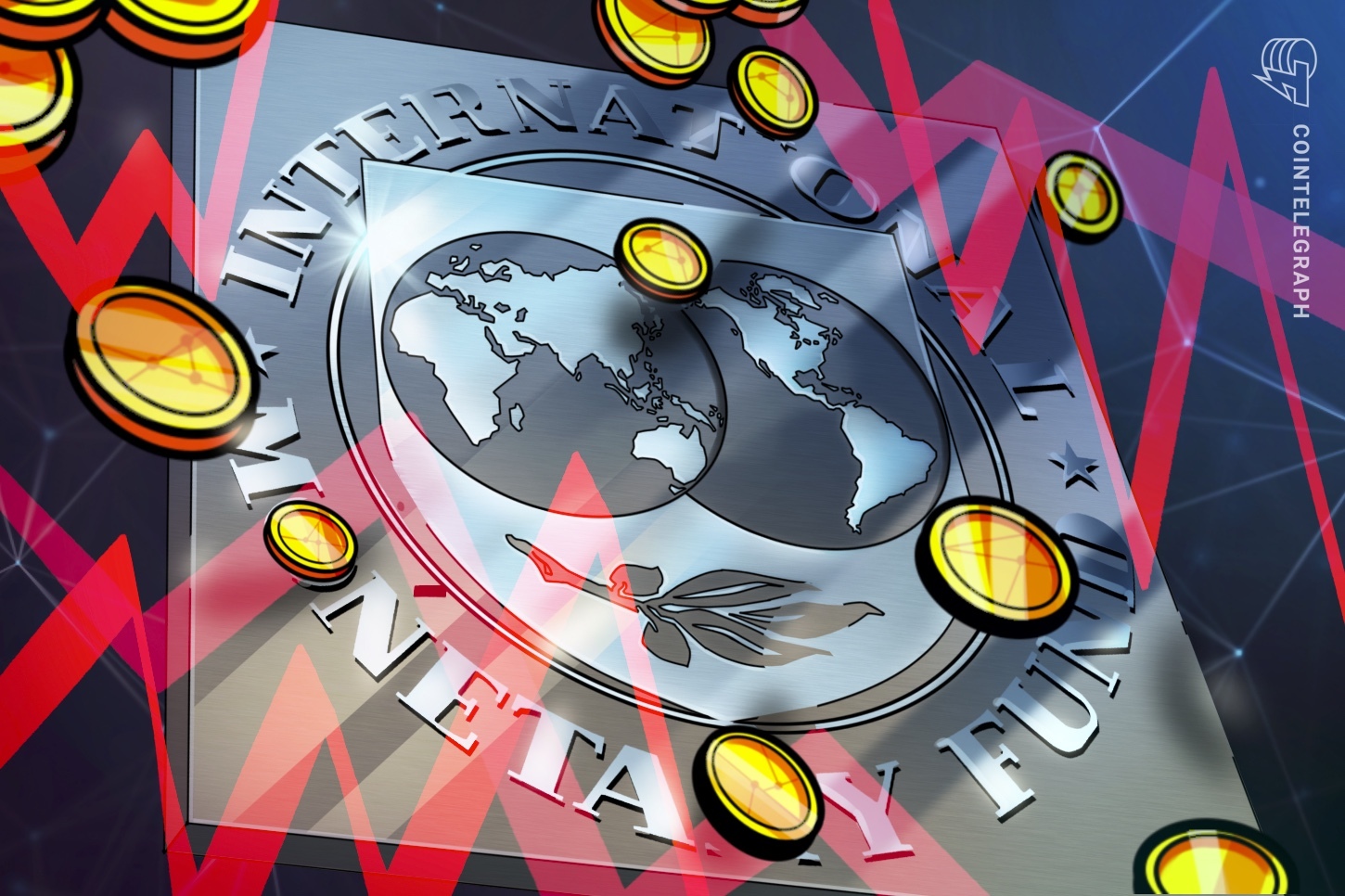
IMF Warning: Brazil's Stablecoin Surge Outpaces Traditional Capital Flows
Crucially, the IMF warns that stablecoin purchases are two to three times more sensitive to global economic shocks than traditional foreign direct investment or portfolio flows. While the Banco Central do Brasil (BCB) has begun regulating crypto service providers, the IMF points to critical regulatory gaps in customer asset protection, issuance rules, and AML/CFT compliance standards.

Banking Takeover? Circle Acquires 1,000 IBM Patents to Fortify USDC Dominance
This acquisition goes far beyond simple IP expansion; it is a calculated move to secure a foothold in the future of enterprise finance. The patent portfolio spans critical sectors including financial services, insurance, enterprise infrastructure, and supply-chain verification, positioning Circle at the heart of the next generation of digital asset integration.
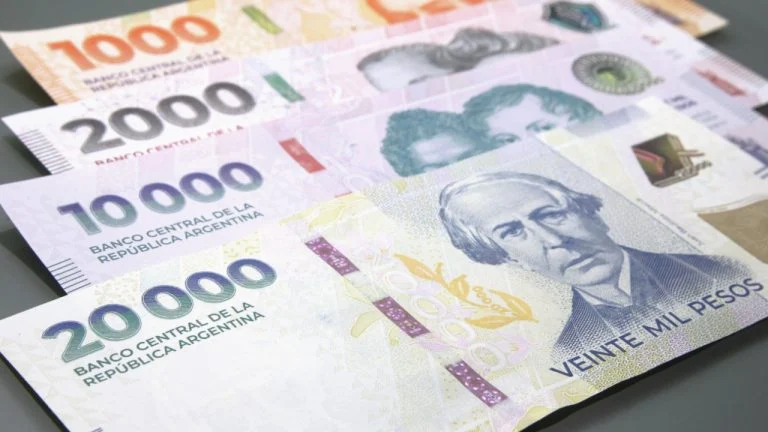
Argentina’s Banking Giants Are Quietly Developing Peso Stablecoins for Institutions
By focusing on peso-pegged assets rather than the standard dollar-pegged alternatives like USDT or USDC, these banks are positioning themselves to capture the corporate demand for blockchain-driven liquidity. This development could signal a major shift in how local businesses interact with digital assets and programmable finance within a highly regulated environment.
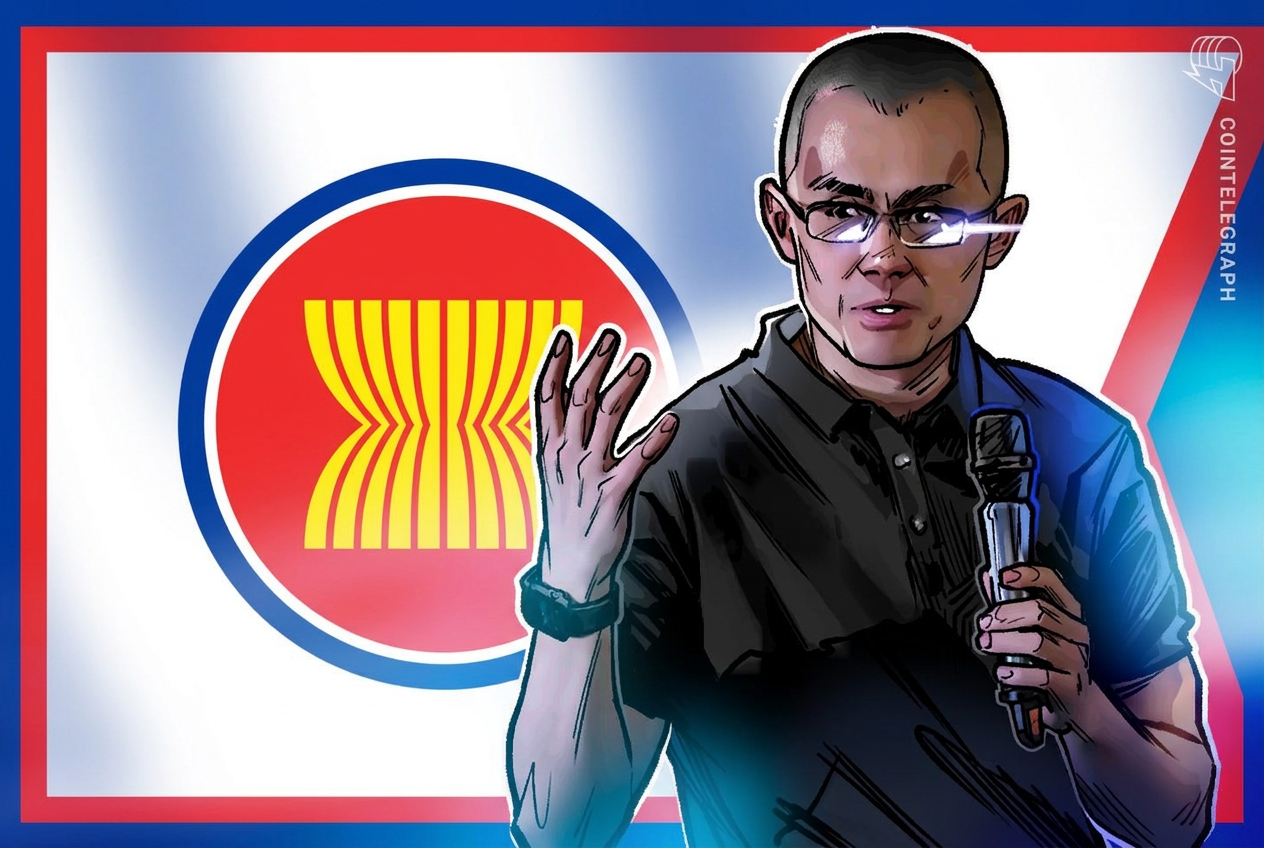
CZ Calls for Crypto License 'Passporting' Across ASEAN to Slash Red Tape
This proposed regional framework aims to tackle the high compliance costs and market fragmentation that currently hinder the growth of digital asset services. By implementing license portability, the ASEAN region could significantly boost competition and streamline the operations of crypto and stablecoin providers throughout Southeast Asia.

Goodbye High FX Fees? Ratio CEO Unveils Multi-Currency Stablecoin Vision to Transform Asian Trade
By utilizing local currency stablecoins to complement USD-pegged assets, this strategy eliminates the need for double FX conversions and reduces massive financial overhead. This evolution in digital payment infrastructure could solve the chronic issues of time-zone mismatches and liquidity friction, providing a seamless bridge for commerce across the Asian markets.
