Banking Takeover? Circle Acquires 1,000 IBM Patents to Fortify USDC Dominance

Circle is executing a massive strategic maneuver to dominate the global financial infrastructure. By acquiring nearly 1,000 IBM blockchain patents, the USDC issuer is building a technological fortress designed to bridge the gap between stablecoins and traditional banking rails and payment networks.
This acquisition goes far beyond simple IP expansion; it is a calculated move to secure a foothold in the future of enterprise finance. The patent portfolio spans critical sectors including financial services, insurance, enterprise infrastructure, and supply-chain verification, positioning Circle at the heart of the next generation of digital asset integration.
The acquired portfolio includes more than 680 patent families covering blockchain technology, banking, financial services, insurance, enterprise infrastructure, and supply-chain verification. This acquisition signals Circle's intent to become the foundational layer for the intersection of decentralized finance and traditional institutional banking.
This is a summarized and adapted version by Artificial Intelligence. To read the complete original story, visit the official source.
Read Full Article at CryptoSlateSupport Jornal Bitcoin
Independent journalism, curated by AI, no clickbait. Keep the flame alive with any amount of BTC.
jonata@walletofsatoshi.comDaily Crypto Brief 📬
Subscribe to receive the curation of the most important Bitcoin and crypto news, summarized by AI. No spam.
Join more than 10,000 smart readers.
Related News

Regulatory Gridlock: Senate Delays Clarity Act as Circle Snaps Up IBM Blockchain Patents
Amidst this political hesitation, Circle is making a decisive strategic play by acquiring IBM blockchain patents. This acquisition underscores a massive shift toward intellectual property dominance, positioning Circle to lead the next wave of blockchain infrastructure and stablecoin innovation.

IMF Warning: Brazil's Stablecoin Surge Outpaces Traditional Capital Flows
Crucially, the IMF warns that stablecoin purchases are two to three times more sensitive to global economic shocks than traditional foreign direct investment or portfolio flows. While the Banco Central do Brasil (BCB) has begun regulating crypto service providers, the IMF points to critical regulatory gaps in customer asset protection, issuance rules, and AML/CFT compliance standards.

Kenya Slash Stablecoin Capital Rules by 40% to Invite Global Issuers
By easing these financial requirements, the Central Bank of Kenya is positioning the nation to attract major global issuers looking for strategic entry points into the African continent. This regulatory shift is expected to drive liquidity and foster greater integration of stablecoins within the local digital economy.

Strategic Pivot: Ondo Finance Swaps Layer-1 Ambitions for Offchain Execution Network
This shift represents a sophisticated evolution in the real-world asset (RWA) tokenization space. By leveraging Trusted Execution Environments (TEE), Ondo is already powering its perpetual futures platform, Ondo Perps, providing a high-performance infrastructure that bypasses the latency of traditional blockchain consensus while maintaining rigorous security through distributed operator oversight.
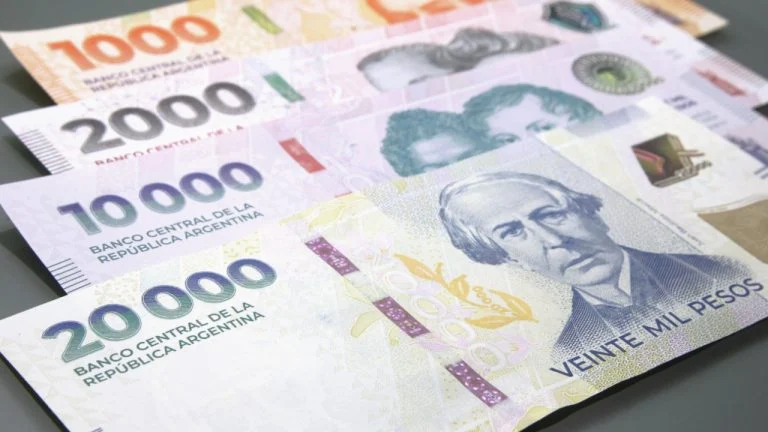
Argentina’s Banking Giants Are Quietly Developing Peso Stablecoins for Institutions
By focusing on peso-pegged assets rather than the standard dollar-pegged alternatives like USDT or USDC, these banks are positioning themselves to capture the corporate demand for blockchain-driven liquidity. This development could signal a major shift in how local businesses interact with digital assets and programmable finance within a highly regulated environment.
South Korean Giants LG CNS and POSCO International Deploy Live Trade Data on Injective
This strategic deployment addresses critical legacy trade bottlenecks by bringing real-time data directly onto the Injective blockchain. The collaboration between LG CNS and POSCO International signals a massive shift toward institutional-grade DeFi, proving that blockchain technology can effectively manage complex, large-scale international trade assets.
