Jack Dorsey's Block Unveils 'Buzz': A Nostr-Powered Slack Rival Built for AI Agents

Jack Dorsey is disrupting the collaborative software market with the launch of Buzz, an open-source workspace built on the Nostr protocol. Positioned as a direct challenger to Slack and GitHub, Buzz is engineered to provide a decentralized environment where AI agents can function as first-class citizens.
By granting AI agents their own cryptographic identities, Block is solving the critical challenge of authentication in automated workflows. This shift toward a Nostr-based infrastructure signals a move away from centralized silos toward a more resilient, permissionless future for digital collaboration and artificial intelligence.
Jack Dorsey's Block has officially entered the workspace arena with the launch of Buzz, an open-source platform designed to rival Slack and GitHub. Built on the decentralized Nostr protocol, Buzz offers a radical departure from the centralized models currently dominating the industry.
The platform's standout feature is its native support for AI agents, which are equipped with unique cryptographic identities. This allows AI to participate in collaborative workflows with the same level of verifiable autonomy as human users, paving the way for a new era of decentralized, AI-driven productivity.
This is a summarized and adapted version by Artificial Intelligence. To read the complete original story, visit the official source.
Read Full Article at DecryptSupport Jornal Bitcoin
Independent journalism, curated by AI, no clickbait. Keep the flame alive with any amount of BTC.
jonata@walletofsatoshi.comDaily Crypto Brief 📬
Subscribe to receive the curation of the most important Bitcoin and crypto news, summarized by AI. No spam.
Join more than 10,000 smart readers.
Related News

Romance Scams: U.S. Moves to Seize $25 Million in Stolen Crypto
This seizure adds to a massive milestone for a dedicated federal scam task force, which has successfully recovered over $800 million in illicit funds to date. The ongoing crackdown highlights the increasing capability of law enforcement to track blockchain transactions and dismantle large-scale crypto fraud operations.

The Great Divide: BLAST Premier's $20K Match Proves Esports and Crypto are Still Worlds Apart
This disconnect highlights a significant missed opportunity for mainstream adoption of digital assets within the gaming sphere. As major tournaments continue to operate without crypto-based rewards or fan engagement tools, the gap between the massive esports audience and the decentralized finance revolution remains wide.

No Account Needed: Flyfi Debuts Crypto-Powered Hotel Booking Platform
This move signals a significant shift in how blockchain technology can be applied to real-world services like tourism. By removing the friction of user onboarding, Flyfi is setting a new standard for decentralized commerce, catering to a demographic that demands speed, anonymity, and financial autonomy.

Sanction Evasion? Justin Sun's HTX Rotating On-Chain Wallets to Bypass UK Restrictions, Warns TRM Labs
By cycling through various hot wallets across multiple blockchains, HTX is effectively outpacing traditional address-list screening methods. This evolution in evasion tactics poses a significant challenge to blockchain forensics, as the rapid movement of assets complicates the ability to track sanctioned entities and ensures a higher level of risk for the broader ecosystem.

Security Crisis: Zilliqa Halts Transactions as Ledger Bug Exposed Private Keys Since 2019
This security breach highlights a significant risk in the interaction between hardware wallets and blockchain networks. By halting all native transactions, the Zilliqa team aims to mitigate further exploitation while investigating the full extent of the cryptographic failure and its impact on the ecosystem.
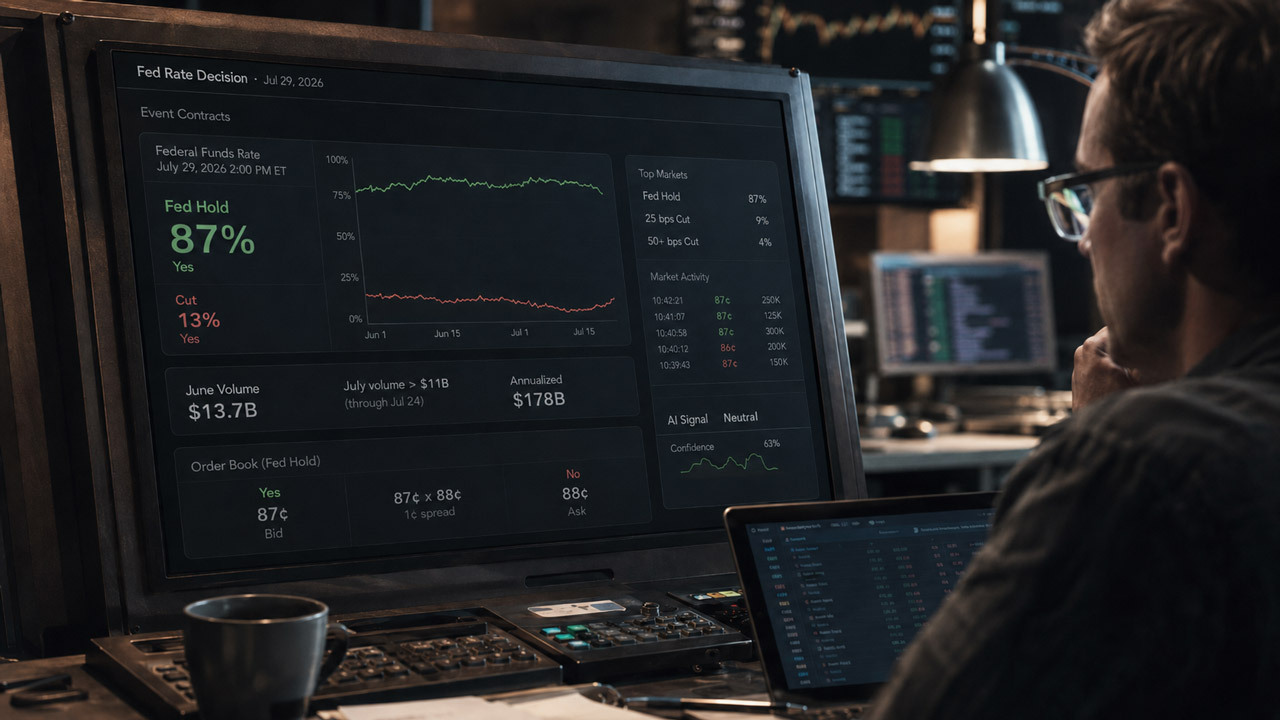
The End of Easy Money? How AI Agents are Dominating Polymarket and Kalshi
This shift toward AI-driven high-frequency trading means that market outcomes—priced through bonds, currencies, and crypto—are being captured by algorithms in milliseconds. As these automated agents integrate macroeconomic data, the competitive landscape for retail traders becomes increasingly difficult, signaling a new era of institutionalized algorithmic dominance in prediction markets.
